Films
3 films
About Nikolai Komissarov
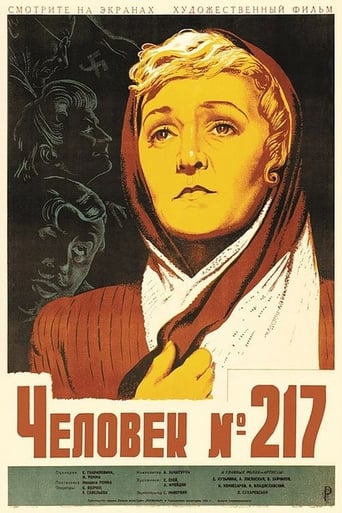
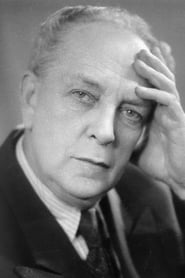
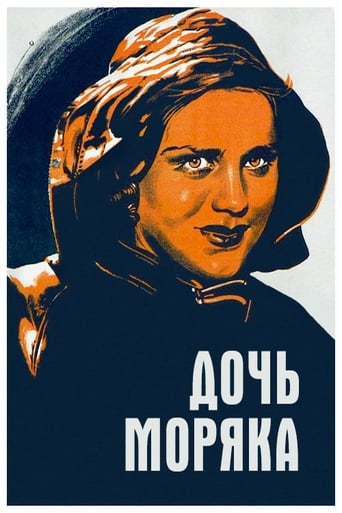
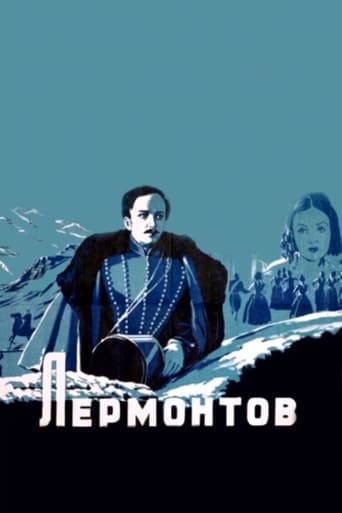
Soviet actor who worked during the turbulent period of World War II and its immediate aftermath in the 1940s. His career, though brief, spanned some of the most significant years in Soviet cinema history, coinciding with the Great Patriotic War. Komissarov appeared in several notable wartime and post-war productions that reflected the Soviet Union's cultural and ideological priorities during this era. His performances in films like 'Girl No. 217' (1945), powerful Soviet anti-fascist films, demonstrated his ability to contribute to meaningful wartime cinema. In 'Lermontov' (1943), he participated in a prestigious biographical project about the famous Russian poet, indicating his standing within the Soviet film industry. His role in 'Seaman's Daughter' (1941) came just before the German invasion of the Soviet Union, marking the beginning of his documented film career during this critical historical period.
The Craft
On Screen
Based on his roles in wartime Soviet cinema, Komissarov likely employed the realistic yet ideologically-informed acting style typical of Soviet actors during the 1940s, emphasizing emotional authenticity while serving the narrative and propagandistic needs of wartime productions.
Milestones
- Appeared in 'Girl No. 217' (1945),
- Participated in 'Lermontov' (1943), a prestigious biographical film
- Film debut in 'Seaman's Daughter' (1941) on the eve of WWII
Best Known For
Iconic Roles
Must-See Films
Working Relationships
Studios
Why They Matter
Impact on Culture
Nikolai Komissarov contributed to Soviet wartime cinema during one of its most crucial periods, participating in films that served both artistic and ideological purposes. His appearance in 'Girl No. 217' placed him within. While not a leading figure, his participation in these productions reflects the collective effort of Soviet artists to create meaningful cinema during extraordinary historical circumstances.
Lasting Legacy
Komissarov's legacy is tied to the golden age of Soviet wartime cinema, where even supporting actors contributed to films that would become cultural touchstones for generations of Soviet and Russian audiences. His work in the 1940s represents the contribution of countless character actors who helped bring to life the stories that defined Soviet cultural identity during and after World War II.
Who They Inspired
As a supporting actor in significant Soviet films, Komissarov's direct influence on other actors or filmmakers is not well documented. However, his participation in these productions contributed to the broader tradition of Soviet cinematic realism that would influence subsequent generations of filmmakers both within and beyond the Soviet Union.
Off Screen
Very little documented information is available about Nikolai Komissarov's personal life, which is not uncommon for supporting actors of the Soviet era who did not achieve star status. His brief documented film career during the war years suggests he may have been affected by the broader disruptions of World War II on Soviet society and the film industry.
Did You Know?
- His entire documented film active years covered exactly four years, coinciding with World War II
- Appeared in 'Girl No. 217', which was selected for preservation in the Russian State Film Archive
- His film debut came in 1941, the same year Germany invaded the Soviet Union
- Participated in 'Lermontov' during the height of the Siege of Leningrad
- His last known film appearance was in 1945, the year WWII ended
Frequently Asked Questions
Who was Nikolai Komissarov?
Soviet with credits in this catalog. 217' (1945), 'Lermontov' (1943), and 'Seaman's Daughter' (1941). His brief career coincided with World War II and contributed to important Soviet cinematic productions of that era.
What films is Nikolai Komissarov best known for?
Titles linked here include Girl No. 217 (1945), Lermontov (1943).
When was Nikolai Komissarov active as an actor?
Nikolai Komissarov was active as an actor from 1941 to 1945, a period that encompassed the entirety of the Soviet Union's involvement in World War II.
What was significant about 'Girl No. 217'?
'Girl No. 217' (1945) was.
What style of acting did Nikolai Komissarov likely employ?
Based on the films and era in which he worked, Komissarov likely employed the realistic yet ideologically-informed acting style typical of Soviet cinema during the 1940s, emphasizing emotional authenticity while serving the narrative needs of wartime productions.