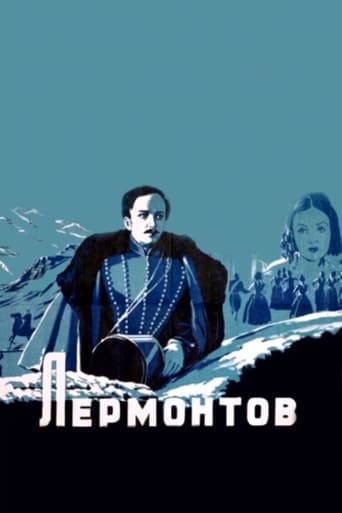
Films
1 film
About Albert Gendelshtein
Soviet film director active during the 1940s, best known for his 1943 biographical film 'Lermontov' about the renowned Russian poet Mikhail Lermontov. The film was produced during World War II, a period when Soviet cinema was heavily focused on patriotic and historical themes that would boost national morale. Gendelshtein's work on 'Lermontov' represented his contribution to the Soviet tradition of literary adaptations, bringing classic Russian literature to the screen. While his directorial career appears to have been brief, with 'Lermontov' standing as his primary credited work, the film itself was significant as it explored the life of one of Russia's most celebrated poets. The movie was part of the Soviet effort to preserve and promote cultural heritage during a time of national crisis. Gendelshtein's approach to the biographical genre reflected the cinematic techniques and ideological requirements of the Stalinist era in Soviet filmmaking.
The Craft
Behind the Camera
Biographical and historical drama with literary adaptation focus, characteristic of Soviet wartime cinema emphasizing cultural heritage and national pride
Milestones
- Directed the biographical film 'Lermontov' (1943)
- Contributed to Soviet wartime cinema
- Adapted Russian literary classic to film
Best Known For
Must-See Films
Working Relationships
Studios
Why They Matter
Impact on Culture
Albert Gendelshtein's contribution to cinema, while limited in scope, represents an important aspect of Soviet wartime filmmaking - the adaptation of national literary classics to inspire patriotism during World War II. His film 'Lermontov' helped preserve and promote Russian cultural heritage at a critical moment in Soviet history, when cinema served as both entertainment and ideological tool. The biographical film about Mikhail Lermontov contributed to the Soviet tradition of honoring literary giants through cinematic art, reinforcing national identity and cultural pride during the war against Nazi Germany.
Lasting Legacy
Albert Gendelshtein's legacy in film history is primarily tied to his single major work 'Lermontov' (1943), which stands as an example of Soviet wartime biographical cinema. While he may not be widely remembered in broader film history, his contribution to the adaptation of Russian literature for the screen represents an important aspect of Soviet cultural production during World War II. The film itself serves as a historical document of both cinematic techniques and ideological approaches of the era.
Who They Inspired
Due to the limited scope of Albert Gendelshtein's known filmography, his direct influence on other filmmakers appears to be minimal. However, his work on 'Lermontov' contributed to the broader tradition of literary biopics in Soviet cinema, which influenced subsequent generations of filmmakers working with historical and literary subjects.
Off Screen
Very limited information is available about Albert Gendelshtein's personal life, as he appears to have been a relatively obscure figure in Soviet cinema history with only one major directorial credit to his name.
Did You Know?
- Albert Gendelshtein's film 'Lermontov' was released during World War II, a period when Soviet cinema heavily emphasized patriotic themes
- The film 'Lermontov' was a biographical work about Mikhail Lermontov, one of Russia's greatest poets who died in a duel at age 26
- 1943 was a critical year in World War II for the Soviet Union, making cultural productions particularly important for national morale
- Literary adaptations were highly valued in Soviet cinema as they connected contemporary audiences with Russia's cultural heritage
- The film was produced during the Stalinist era, when all artistic works were subject to strict ideological requirements
Frequently Asked Questions
Who was Albert Gendelshtein?
Soviet on YTB.my.
What films is Albert Gendelshtein best known for?
Titles linked here include Lermontov (1943).
When was Albert Gendelshtein active as a director?
Based on available filmography information, Albert Gendelshtein was active as a director in 1943, though his birth and death dates are not widely documented.
What was the significance of the film 'Lermontov'?
'Lermontov' was a significant Soviet wartime film that adapted the life of the famous Russian poet to screen, serving both as cultural preservation and patriotic inspiration during World War II.
What was Albert Gendelshtein's directing style?
Gendelshtein's directing style, as evidenced in 'Lermontov,' focused on biographical and historical drama with literary adaptation, characteristic of Soviet wartime cinema that emphasized cultural heritage and national pride.