
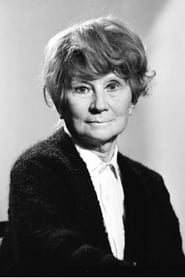
Lidiya Sukharevskaya
Actor
Born: August 30, 1909 in Moscow, Russian Empire Died: October 12, 1991 Active: 1939-1952 (film), 1930s-1970s (theater) Birth Name: Lidiya Petrovna Sukharevskaya
Films
5 films
About Lidiya Sukharevskaya
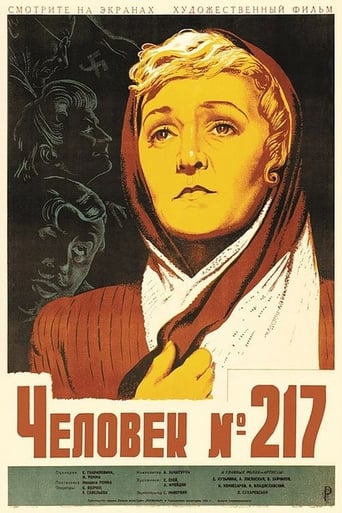
Lidiya Petrovna Sukharevskaya — Soviet actress active from the late 1930s through the 1950s, establishing herself as versatile performers of her generation. Born into a theatrical family, she developed an early passion for the performing arts and received formal training at the prestigious Moscow Art Theatre School, where she honed her craft under the guidance of theater practitioners. Her film debut came in 1939 with the fantasy film 'Vassilisa the Beautiful,' where she showcased her remarkable ability to embody both delicate and strong-willed characters. Throughout the 1940s, Sukharevskaya became particularly renowned for her portrayals in wartime dramas and historical biopics, bringing depth and authenticity to roles that often reflected the Soviet ideals of heroism and sacrifice. Her performance in 'Girl No. 217' (1945) as a Soviet prisoner of war in Nazi Germany earned her critical acclaim and demonstrated her capacity to convey profound emotional complexity under extreme circumstances. Beyond her film work, she maintained an active stage career with the Moscow Art Theatre, where her classical training and naturalistic acting style influenced a generation of younger performers. By the early 1950s, she had become respected character actresses in Soviet cinema, though her film appearances became less frequent as she increasingly focused on theater and teaching.
The Craft
On Screen
Sukharevskaya was known for her naturalistic acting style that combined Stanislavski's method with classical Russian theatrical traditions. Her performances were characterized by psychological depth, emotional authenticity, and a remarkable ability to convey complex inner states through subtle gestures and expressions. She excelled at portraying strong, resilient women who maintained their dignity under adversity, bringing both vulnerability and strength to her characters. Her technique emphasized thorough character study and emotional truth, making her particularly effective in dramatic roles that required intense emotional transformation.
Milestones
- Film debut in Vassilisa the Beautiful (1939)
- Acclaimed performance in Girl No. 217 (1945)
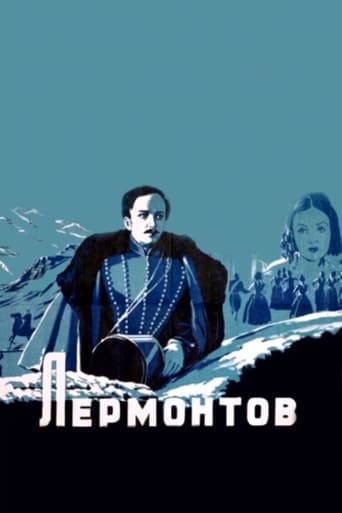
- Leading role in Lermontov (1943)
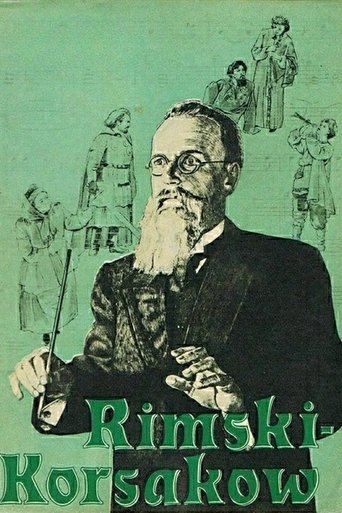
- Portrayal in Rimsky-Korsakov (1952)
- Long-standing career at Moscow Art Theatre
- Recognition as People's Artist of the RSFSR
Best Known For
Iconic Roles
Must-See Films
Accolades
Won
- Stalin Prize, Second Class (1946) for Girl No. 217
- People's Artist of the RSFSR (1950)
- Order of the Red Banner of Labour (1967)
- Order of the Badge of Honour (1939)
Special Recognition
- People's Artist of the RSFSR (1950)
- Honored Artist of the RSFSR (1947)
- Moscow Art Theatre Veteran Award
Working Relationships
Worked Often With
Studios
Why They Matter
Impact on Culture
Lidiya Sukharevskaya made significant contributions to Soviet cinema during a crucial period of its development, particularly in the wartime and immediate post-war years. Her portrayal of Soviet women facing extraordinary circumstances in films like 'Girl No. 217' helped shape the cinematic representation of female heroism and resilience during World War II. These performances not only entertained but also served as morale boosters and ideological tools, reinforcing Soviet values of sacrifice and patriotism. Her work bridged the gap between theatrical tradition and cinematic realism, helping to establish a more naturalistic acting style in Soviet film that influenced subsequent generations of actors.
Lasting Legacy
Sukharevskaya's legacy endures through her influential performances in classic Soviet cinema and her contributions to theatrical education. She remains remembered as. Her performances continue to be studied by film scholars and acting students as exemplary models of Soviet cinematic acting. The Moscow Art Theatre, where she spent much of her career, continues to honor her memory as part of its rich theatrical heritage. Her films, especially 'Girl No. 217,' are considered important cultural artifacts that provide insight into Soviet wartime cinema and the representation of women in propaganda films.
Who They Inspired
Sukharevskaya influenced Soviet cinema through her commitment to psychological realism and her ability to convey complex emotions with subtlety and restraint. Her naturalistic acting style, rooted in the Stanislavski system, provided a model for younger actors seeking to move away from the more theatrical, declamatory style common in early Soviet films. She demonstrated how character actors could play pivotal roles in historical and wartime narratives, paving the way for more nuanced portrayals of women in Soviet cinema. Her work at the Moscow Art Theatre helped train several generations of actors who would go on to shape Soviet and Russian theater and film in the latter half of the 20th century.
Off Screen
Lidiya Sukharevskaya was married to fellow actor and director Nikolay Khmelyov,. Their marriage was both personal and professional, with the couple often collaborating on stage productions at the Moscow Art Theatre. After Khmelyov's death in 1945, Sukharevskaya dedicated herself to preserving his theatrical legacy and continued their shared artistic vision. She never remarried and had no children, instead focusing her maternal instincts on mentoring young actors at the theater. Throughout her life, she maintained close friendships with many prominent figures in Soviet cultural circles and was known for her intellectual pursuits, including literature and classical music.
Education
Moscow Art Theatre School (MKhAT), graduated early 1930s
Family
- Nikolay Khmelyov (1935-1945, his death)
Did You Know?
- Was married to the legendary actor Nikolai Khmelyov, considered one of the greatest Soviet stage actors
- Her performance in 'Girl No. 217' was one of the first Soviet films to depict the Holocaust and Nazi war crimes
- Despite her film success, she always considered herself primarily a stage actress
- Was one of the few Soviet actresses to successfully transition from silent film training to sound cinema
- Received the Stalin Prize, one of the highest honors in Soviet cultural life
- Her film 'Vassilisa the Beautiful' was one of the first Soviet color films
- Continued acting on stage well into her 60s, long after her film career ended
- Was known for her intellectual pursuits and extensive personal library
- Survived the difficult wartime conditions in Moscow during the Siege of Moscow
- Her performances were often used as examples in Soviet acting schools
In Their Own Words
The stage is not just a platform for performance, but a laboratory for the human soul
To portray a character truthfully, one must first understand their silence as well as their words
In wartime cinema, we didn't just act – we bore witness to history through our characters
The greatest challenge for an actor is not to show emotion, but to reveal the truth beneath it
Frequently Asked Questions
Who was Lidiya Sukharevskaya?
Prominent Soviet actress active from the 1930s through the 1950s, known for her work in both cinema and theater. She was particularly acclaimed for her roles in wartime dramas and historical films, becoming.
What films is Lidiya Sukharevskaya best known for?
Titles linked here include Girl No. 217 (1945), Vassilisa the Beautiful (1939).
When was Lidiya Sukharevskaya born and when did she die?
Born August 30, 1909; died October 12, 1991.
What awards did Lidiya Sukharevskaya win?
She received the Stalin Prize, Second Class in 1946 for her role in 'Girl No. 217,' was named People's Artist of the RSFSR in 1950, and was awarded the Order of the Red Banner of Labour and the Order of the Badge of Honour for her contributions to Soviet arts.
What was Lidiya Sukharevskaya's acting style?
Sukharevskaya was known for her naturalistic acting style based on the Stanislavski system, characterized by psychological depth and emotional authenticity. She excelled at portraying strong, resilient women with subtle gestures and expressions, bringing both vulnerability and strength to her characters.
Was Lidiya Sukharevskaya married?
Yes, she was married to fellow actor and director Nikolai Khmelyov from 1935 until his death in 1945. Khmelyov was.
What was Lidiya Sukharevskaya's connection to the Moscow Art Theatre?
She was a graduate of the Moscow Art Theatre School and had a long-standing career with the Moscow Art Theatre (MKhAT), where she performed throughout her life. The theater was her artistic home, and she considered herself primarily a stage actress despite her film success.