Films
1 film
About Aleksandr Andriyevsky
Soviet film director active during the mid-1930s, a period of significant transition in Soviet cinema from silent films to sound productions. His career appears to have been brief, with his only known directorial credit being the 1935 film 'Loss of Feeling' (Потеря чувствительности). Working during Stalin's era, Andriyevsky would have operated within the strict constraints of socialist realism, the officially sanctioned artistic style of the period. Like many directors of his generation, he would have witnessed the dramatic changes in the Soviet film industry, including the establishment of Mosfilm and Lenfilm as major studios. His single known work places him among the second wave of Soviet sound filmmakers who followed pioneers like Vsevolod Pudovkin and Sergei Eisenstein into the talkie era. Unfortunately, detailed records of his career and life remain scarce, suggesting he may have been part of the many filmmakers whose careers were cut short by the political purges of the late 1930s or who simply transitioned out of directing after limited success.
The Craft
Behind the Camera
Likely adhered to socialist realist principles common in Soviet cinema of the 1930s
Milestones
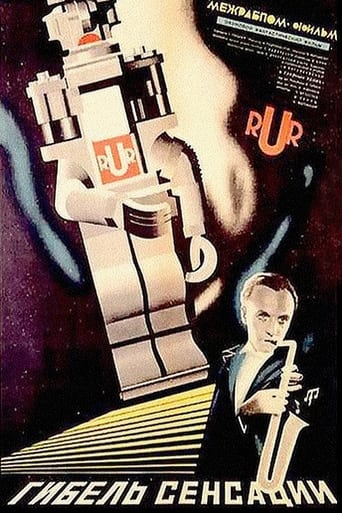
- Directed 'Loss of Feeling' (1935)
Best Known For
Must-See Films
Why They Matter
Impact on Culture
As a director with only one known film credit from 1935, Aleksandr Andriyevsky's cultural impact appears to have been minimal within the broader context of Soviet cinema history. His work represents the vast number of lesser-known filmmakers who contributed to the Soviet film industry during its formative sound period but whose careers were either short-lived or poorly documented. The existence of 'Loss of Feeling' demonstrates the breadth of film production in the Soviet Union during the 1930s, beyond the works of the famous directors who are well-documented in Western film histories. His brief career reflects the challenging political and artistic environment faced by Soviet filmmakers during Stalin's regime, where many careers were disrupted by political purges or the demanding requirements of socialist realism.
Lasting Legacy
Aleksandr Andriyevsky's legacy is primarily that of an obscure figure from the early Soviet sound era, representing the countless filmmakers whose contributions to cinema history have been largely lost to time. His single known film, 'Loss of Feeling' (1935), shows the extensive but often undocumented film production occurring in the Soviet Union during the 1930s. While he did not achieve the lasting recognition of contemporaries like Eisenstein or Pudovkin, his work is part of the Soviet cinema that deserves scholarly attention for understanding the full scope of filmmaking during this period. The scarcity of information about him also highlights the challenges of film historical research, particularly regarding Soviet filmmakers whose careers were cut short or who worked outside the major studio systems.
Who They Inspired
Given the limited documentation of Aleksandr Andriyevsky's career and his single known directorial credit, there is no evidence of significant influence on other filmmakers or subsequent generations of directors. His brief appearance in the historical record suggests he was likely not in a position to mentor or influence other artists, which was common for many Soviet directors who had limited opportunities to build substantial careers during the politically turbulent 1930s.
Off Screen
Very little is known about Aleksandr Andriyevsky's personal life, which is not uncommon for Soviet filmmakers of this era who had brief or obscure careers.
Did You Know?
- Only one known directorial credit to his name: 'Loss of Feeling' (1935)
- Worked during the early sound era in Soviet cinema
- His career coincided with Stalin's cultural purges of the 1930s
- Represents one of many obscure Soviet filmmakers whose full biographies are lost to history
- The Russian title of his film was 'Потеря чувствительности'
- His brief active years covered only the year 1935 according to available records
- Like many Soviet directors of his era, he would have worked under strict state censorship
- His obscurity reflects how many Soviet-era filmmakers' contributions remain undocumented
Frequently Asked Questions
Who was Aleksandr Andriyevsky?
Soviet on YTB.my.' He represents one of the many obscure filmmakers from the early Soviet sound era whose careers were brief and poorly documented.
What films is Aleksandr Andriyevsky best known for?
Titles linked here include Loss of Feeling (1935).
When was Aleksandr Andriyevsky born and when did he die?
Specific birth and death dates for Aleksandr Andriyevsky are not available in historical records, which is common for many obscure Soviet filmmakers whose biographical information has been lost to time.
What awards did Aleksandr Andriyevsky win?
There are no documented awards or nominations for Aleksandr Andriyevsky, which is not surprising given his brief and obscure career in Soviet cinema during the 1930s.
What was Aleksandr Andriyevsky's directing style?
While specific details about his directing style are not documented, as a Soviet filmmaker in 1935 he would have worked within the constraints of socialist realism, the officially sanctioned artistic style of the Stalin era.
Why is so little known about Aleksandr Andriyevsky?
The scarcity of information about Andriyevsky reflects the broader challenges in documenting Soviet cinema history, particularly for filmmakers with brief careers who may have been affected by political purges or simply worked outside the major studio systems.
What was happening in Soviet cinema when Andriyevsky was active?
1935 was a significant year in Soviet cinema, marking the full transition to sound films and the height of socialist realism as the official artistic doctrine. The industry was dominated by major state studios and subject to strict political control under Stalin's regime.