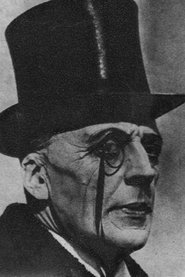
Pavel Poltoratskiy
Actor
Born: 1900 in Moscow, Russian Empire Active: 1926-1935 Birth Name: Pavel Ivanovich Poltoratskiy
Films
3 films
About Pavel Poltoratskiy
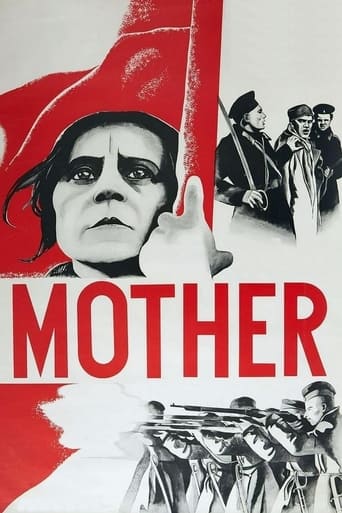
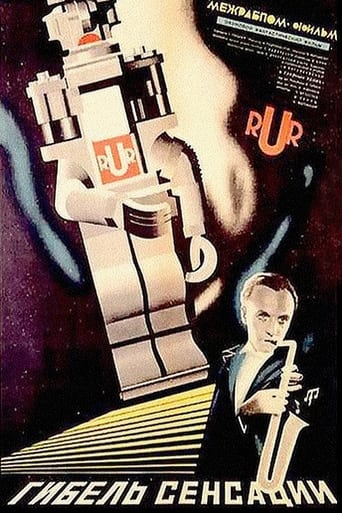
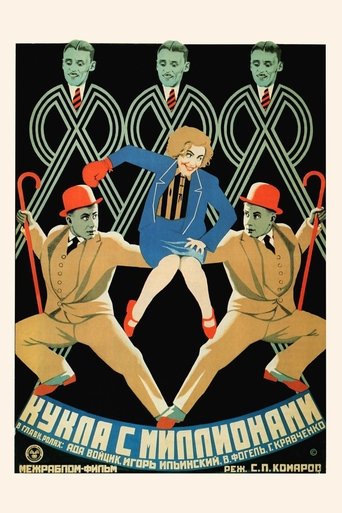
Prominent Soviet actor during the silent film era and early sound period, primarily active in the 1920s and 1930s. He began his film career during the golden age of Soviet cinema, appearing in Vsevolod Pudovkin's acclaimed silent masterpiece 'Mother' (1926), which established him as a notable character actor. His performance in 'The Doll with Millions' (1928) further demonstrated his versatility in portraying complex characters during the transition from silent to sound cinema. Poltoratskiy continued acting into the early sound era, with his final known film appearance being in 'Loss of Feeling' (1935), a period that coincided with significant changes in the Soviet film industry under Stalin's regime. His nearly a decade, during which he worked with some of the most important directors of early Soviet cinema. Though his filmography was relatively brief, his contributions to Soviet cinema during this formative period were significant, particularly in helping establish the language of Soviet silent film acting. His disappearance from the film industry after 1935 may have been related to the political purges that affected many artists during this turbulent period in Soviet history.
The Craft
On Screen
Pavel Poltoratskiy was known for his naturalistic yet emotionally intense acting style, characteristic of the Soviet realist school of performance. His technique combined the expressive physicality required for silent film with subtle psychological depth, allowing him to convey complex emotions through minimal gestures and facial expressions. As was typical of Soviet actors of his era, he emphasized collective and social themes in his character portrayals, often embodying the working-class hero or the intellectual struggling with social change. His performances were noted for their restraint compared to Western silent film acting, reflecting the Soviet preference for psychological realism over melodramatic excess.
Milestones
- Breakthrough role in Vsevolod Pudovkin's 'Mother' (1926)
- Leading role in 'The Doll with Millions' (1928)
- Transition to sound films with 'Loss of Feeling' (1935)
- Collaboration with prominent Soviet directors of the 1920s
- Contributions to early Soviet cinema during its golden age
Best Known For
Iconic Roles
Must-See Films
Working Relationships
Worked Often With
Studios
Why They Matter
Impact on Culture
Pavel Poltoratskiy contributed to the development of Soviet cinema during its most formative decade, working on films that helped establish the aesthetic and ideological foundations of Soviet filmmaking. His performance in 'Mother' (1926) was part of. The film itself was significant for its innovative narrative structure and powerful visual storytelling, techniques that influenced cinema worldwide. Poltoratskiy's work exemplified the Soviet approach to acting that emphasized psychological realism and social consciousness over individual star power, contributing to the development of a distinctly Soviet acting tradition that would influence generations of performers.
Lasting Legacy
Pavel Poltoratskiy's legacy is preserved through his contributions to some of the most important films of early Soviet cinema, particularly 'Mother' (1926), which remains a landmark of world cinema history. While his name may not be widely recognized outside of film scholarship circles, his work helped establish the foundations of Soviet film acting during a crucial period of artistic development. His performances serve as important examples of the transition from silent to sound cinema in the Soviet context, demonstrating how actors adapted their techniques to new technological possibilities. The films he appeared in continue to be studied by film students and scholars interested in the development of cinematic language and the role of cinema in early Soviet society.
Who They Inspired
As part of the ensemble casts of seminal Soviet films, Pavel Poltoratskiy contributed to the development of acting styles that would influence subsequent generations of Soviet performers. The naturalistic, psychologically grounded approach he helped exemplify contrasted with the more theatrical styles common in earlier Russian cinema and Western silent films. This approach to performance, emphasizing authenticity and social relevance, became a hallmark of Soviet acting training and influenced actors throughout the Eastern Bloc for decades. His work with directors like Pudovkin helped establish collaborative relationships between actors and directors that became characteristic of the Soviet film industry's creative process.
Off Screen
Very limited information is available about Pavel Poltoratskiy's personal life, which was not uncommon for Soviet actors of his generation whose biographies were often not extensively documented. Like many artists working in the Soviet film industry during the 1920s and 1930s, his life was likely affected by the political and social upheavals of the period. The lack of records about his later life may reflect the tragic fate of many cultural figures during Stalin's purges of the late 1930s.
Education
Limited information available, likely received theatrical training in Moscow during the early 1920s
Did You Know?
- Appeared in 'Mother' (1926),
- Worked during the transition from silent to sound films in Soviet cinema
- His career coincided with the golden age of Soviet avant-garde cinema
- The films he appeared in were often used as propaganda tools but also achieved artistic merit
- Like many Soviet actors of his generation, his biographical details are scarce in Western sources
- His final film appearance was in 1935, a year before the Great Purge began affecting the arts
- The Doll with Millions (1928) was one of the early Soviet films to explore themes of wealth and class
- His acting style reflected the Soviet emphasis on collectivism over individual stardom
Frequently Asked Questions
Who was Pavel Poltoratskiy?
Soviet with credits in this catalog.
What films is Pavel Poltoratskiy best known for?
Titles linked here include Mother (1926), The Doll with Millions (1928).
When was Pavel Poltoratskiy born and when did he die?
Born 1900; died death date not listed.
What awards did Pavel Poltoratskiy win?
There are no documented awards or nominations for Pavel Poltoratskiy, which was typical for many Soviet actors of his era whose contributions were recognized more for their collective artistic value than individual accolades.
What was Pavel Poltoratskiy's acting style?
Poltoratskiy's acting style was characterized by naturalistic yet emotionally intense performances, combining the physical expressiveness needed for silent film with psychological depth, reflecting the Soviet realist school of acting.