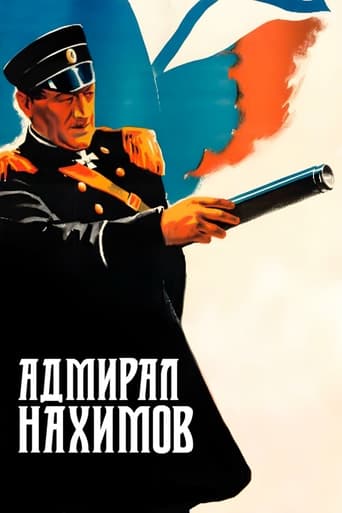
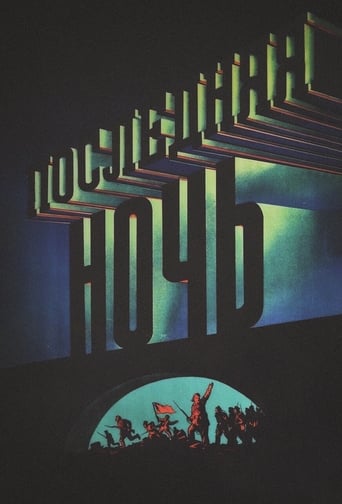
Films
2 films
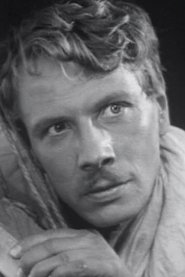
About Leonid Knyazev
Soviet actor: promising career was tragically cut short by World War II. Born in 1911, he began his film career in the mid-1930s during the golden age of Soviet cinema. Knyazev studied at the State Institute of Cinematography (VGIK) before joining the film industry, where he quickly established himself as a reliable character actor. His most notable performances came in historical and dramatic films, including his role in Vsevolod Pudovkin's acclaimed 'Admiral Nakhimov' (1946), which was released posthumously. Knyazev specialized in portraying strong, authoritative characters often set against historical backdrops. His the crucial transitional period from silent films to sound cinema in the Soviet Union. Despite his relatively short filmography, he left a lasting impression on Soviet cinema with his powerful screen presence and dedication to his craft. His death in 1943 while serving in World War II marked the premature end of what could have been a career in Soviet film.
The Craft
On Screen
Knyazev was known for his commanding screen presence and ability to portray authoritative historical figures with authenticity. His acting style was rooted in the Stanislavski system, emphasizing psychological realism and emotional depth. He brought a natural gravitas to his roles, particularly in historical dramas where he embodied the strength and dignity of his characters.
Milestones
- Film debut in 'The Last Night' (1936)
- Notable role in 'Admiral Nakhimov' (1946)
- Graduation from VGIK (State Institute of Cinematography)
- Established himself as a character actor in Soviet cinema
- Military service during World War II
Best Known For
Iconic Roles
Must-See Films
Accolades
Special Recognition
- Recognized as a promising talent in Soviet cinema before his death
- Posthumous recognition for his contribution to Soviet wartime cinema
Working Relationships
Worked Often With
Studios
Why They Matter
Impact on Culture
Leonid Knyazev represents the generation of Soviet actors whose careers were interrupted by World War II, embodying the tragic loss of artistic talent during that period. His work in historical films contributed to the Soviet tradition of using cinema as a means of national education and cultural preservation. His performances helped establish the archetype of the strong, dignified Soviet character actor who could effectively convey historical narratives and patriotic themes.
Lasting Legacy
Knyazev's legacy is that of a promising actor whose potential was never fully realized due to his wartime death. His posthumously released film 'Admiral Nakhimov' stands as proof of his talent and dedication to Soviet cinema. He is remembered as part of the generation of artists who made significant contributions to Soviet film culture despite the challenging historical circumstances of their time.
Who They Inspired
While his career was too brief to establish widespread influence, Knyazev's work in historical dramas contributed to the development of the Soviet historical film genre. His dedication to authentic character portrayal set an example for subsequent generations of Soviet actors working in historical and patriotic films.
Off Screen
Leonid Knyazev's personal life remains largely undocumented in available historical records, which was common for many Soviet actors of his generation. His life was fundamentally shaped by the historical events of his time, including the Russian Revolution and World War II. Like many Soviet citizens of his era, he was deeply affected by the political and social changes sweeping through the Soviet Union during the 1930s and early 1940s.
Education
Did You Know?
- His film 'Admiral Nakhimov' was released three years after his death
- Died while serving in the Soviet military during World War II
- Studied at the prestigious VGIK film school in Moscow
- His active years covered only 7 years but included work with acclaimed directors
- Part of the first generation of Soviet actors trained specifically for sound cinema
- His death at age 32 cut short a promising career in Soviet cinema
- Worked during
- His films were produced during Stalin's era of strict cultural control
Frequently Asked Questions
Who was Leonid Knyazev?
Soviet with credits in this catalog. He was a graduate of VGIK and established himself as a character actor before his death in World War II.
What films is Leonid Knyazev best known for?
Titles linked here include The Last Night (1936), Admiral Nakhimov (1946).
When was Leonid Knyazev born and when did he die?
Born 1911; died 1943.
What awards did Leonid Knyazev win?
There are no documented awards or nominations for Leonid Knyazev, likely due to his brief career and premature death during World War II before he could receive major recognition for his work.
What was Leonid Knyazev's acting style?
Knyazev was known for his commanding screen presence and authentic portrayal of historical characters, employing the Stanislavski system to bring psychological realism and emotional depth to his roles in Soviet historical dramas.