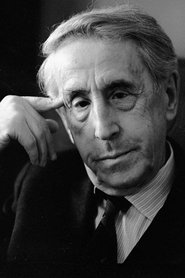
Abram Room
Actor & Director
Born: July 28, 1894 in Vilnius, Russian Empire (now Lithuania) Died: July 26, 1976 Active: 1927-1971 Birth Name: Abram Matveyevich Room
Films
6 films
About Abram Room
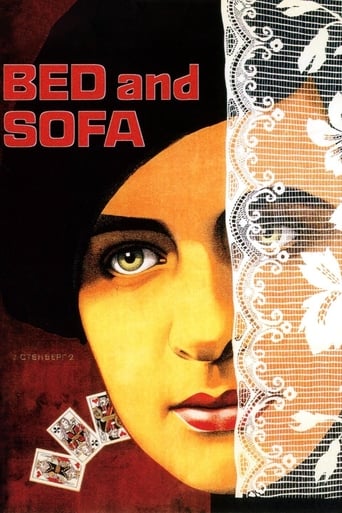
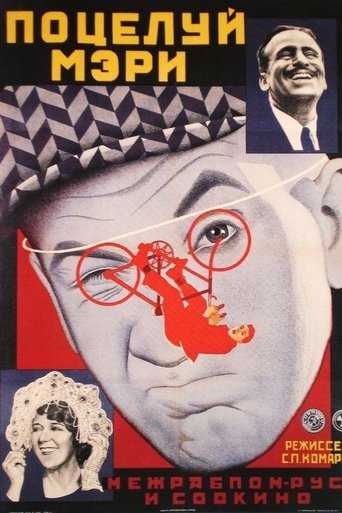
Abram Matveyevich Room — Soviet film director and screenwriter who emerged during the transformative period of Soviet cinema in the 1920s. He began his career studying medicine before transitioning to filmmaking, bringing a unique analytical perspective to his directorial work. Room gained international acclaim with his controversial 1927 film 'Bed and Sofa' (Tretya Meshchanskaya), which boldly explored themes of sexual freedom and marital dynamics in Soviet society. Throughout the 1920s and 1930s, he continued to direct both silent films and early sound productions, often focusing on social issues and contemporary Soviet life. His career faced challenges during the Stalinist era, though he managed to continue working through the 1940s. Room's films were characterized by their psychological depth, innovative camera techniques, and willingness to tackle taboo subjects. He also occasionally acted in films, including a notable appearance in 'A Kiss from Mary Pickford' (1927). His later works included wartime documentaries and post-war features that reflected the changing political climate of Soviet cinema.
The Craft
On Screen
Room's acting was primarily secondary to his directing career, but his appearances, particularly in 'A Kiss from Mary Pickford,' showcased a naturalistic style that aligned with the emerging Soviet realistic acting approach. His performances were characterized by understated emotion and a focus on authentic human behavior rather than theatrical exaggeration.
Behind the Camera
Room was known for his psychological realism and willingness to explore controversial social themes. His directing style emphasized intimate character studies, innovative use of close-ups, and a focus on the emotional lives of ordinary Soviet citizens. He employed dynamic camera movements and montage techniques learned from Soviet montage theory while maintaining a humanistic approach to storytelling. Room's films often featured strong female protagonists and challenged traditional social norms.
Milestones
- Directed groundbreaking film 'Bed and Sofa' (1927)
- Pioneered Soviet cinema's exploration of psychological themes
- Successfully transitioned from silent to sound films
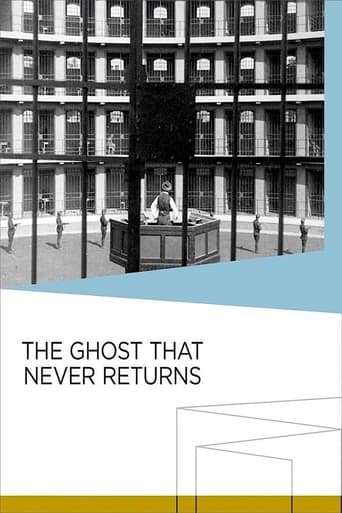
- Directed 'The Ghost That Never Returns' (1930)
- Made significant wartime documentaries during WWII
- Continued directing through Stalinist era
- Taught at the All-Union State Institute of Cinematography (VGIK)
Best Known For
Iconic Roles
Must-See Films
Accolades
Won
- Order of the Red Banner of Labour (1964)
- Honored Artist of the RSFSR (1969)
Nominated
- Venice Film Festival nomination for 'Bed and Sofa' (1927)
Special Recognition
- People's Artist of the RSFSR (1976)
- VGIK Professor Emeritus
Working Relationships
Worked Often With
Studios
Why They Matter
Impact on Culture
Abram Room significantly influenced Soviet cinema by pushing boundaries in both subject matter and cinematic technique. His film 'Bed and Sofa' was groundbreaking for its frank treatment of sexuality and relationships, challenging both Soviet and international taboos. The film was banned in several countries but gained critical acclaim in Europe and America, helping to establish Soviet cinema's reputation for artistic innovation. Room's willingness to explore psychological depth in characters influenced generations of Soviet filmmakers who sought to create more humanistic cinema within the constraints of the Soviet system.
Lasting Legacy
Room's legacy lies in his approach to psychological realism in Soviet cinema and his courage in tackling controversial subjects. 'Bed and Sofa' remains his most enduring work, studied today for its innovative narrative structure and bold thematic content. His career demonstrated how artistic integrity could be maintained even under the most challenging political circumstances. As an educator at VGIK, he influenced countless young filmmakers, passing on his knowledge of both technical craft and artistic vision. His films are now recognized as important contributions to world cinema, representing a unique blend of Soviet montage theory with psychological storytelling.
Who They Inspired
Room influenced Soviet cinema by demonstrating that intimate, character-driven stories could coexist with the state's preference for collective narratives. His psychological approach to filmmaking inspired directors like Mikhail Romm and Andrei Tarkovsky, who also focused on the inner lives of their characters. Internationally, his work influenced European art cinema, particularly in the French New Wave's interest in Soviet film techniques. His success in blending social commentary with personal drama created a template for filmmakers working within restrictive systems who still wished to explore universal human themes.
Off Screen
Room was married to actress Yelena Kuzmina, who starred in several of his films. The couple had one son, Alexander Room, who also became a film director. Despite the political pressures of the Stalinist era, Room managed to maintain his artistic integrity while navigating the complex landscape of Soviet cinema. He was known among colleagues as an intellectual director who brought a scholarly approach to filmmaking, influenced by his early medical training.
Education
Moscow State University (Medical Faculty, graduated 1917), State Institute of Cinematography (VGIK)
Family
- Yelena Kuzmina (1930s-1976)
Did You Know?
- 'Bed and Sofa' was initially banned in the United States for its controversial themes
- Room studied medicine before switching to cinema, bringing a scientific approach to filmmaking
- His film 'The Ghost That Never Returns' was an early Soviet sound experiment
- Room was one of the few Soviet directors who successfully worked across the silent-to-sound transition
- He survived the Stalinist purges that claimed many of his contemporaries
- Room's films were often more popular internationally than in the Soviet Union
- He taught at VGIK for over 20 years, influencing generations of Soviet filmmakers
- His wife Yelena Kuzmina was one of Soviet cinema's most celebrated actresses
- Room's early films were heavily influenced by German Expressionism
- He made several documentaries during WWII that were used for Soviet propaganda
In Their Own Words
Cinema must not just show life, but understand it from within
The camera is not just a recording device, but a psychological instrument
Even in the most collective society, the individual story remains paramount
Art survives politics, but must learn to speak its language
Frequently Asked Questions
Who was Abram Room?
Soviet on YTB.my. He was a significant figure in early Soviet cinema who explored psychological themes and social issues through his films, successfully transitioning from silent to sound cinema while maintaining artistic integrity throughout the challenging Stalinist era.
What films is Abram Room best known for?
Titles linked here include Bed and Sofa (1927), The Ghost That Never Returns (1930).
When was Abram Room born and when did he die?
Born July 28, 1894; died July 26, 1976.
What awards did Abram Room win?
Room received several significant honors including the Order of the Red Banner of Labour in 1964, was named an Honored Artist of the RSFSR in 1969, and was awarded the title of People's Artist of the RSFSR in 1976. His film 'Bed and Sofa' also received international recognition with a nomination at the Venice Film Festival.
What was Abram Room's directing style?
Room's directing style was characterized by psychological realism, innovative camera techniques, and a willingness to explore controversial social themes. He combined Soviet montage theory with intimate character studies, often focusing on the emotional lives of ordinary citizens. His films featured strong female protagonists and challenged traditional social norms while maintaining artistic sophistication.