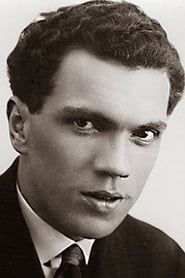
Nikolai Batalov
Actor
Born: March 6, 1899 in Moscow, Russian Empire Died: November 10, 1937 Active: 1924-1935 Birth Name: Nikolai Petrovich Batalov
Films
7 films

About Nikolai Batalov
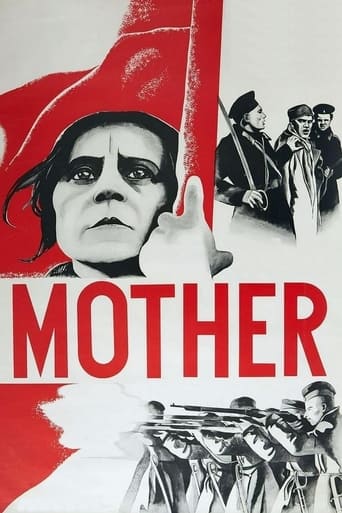
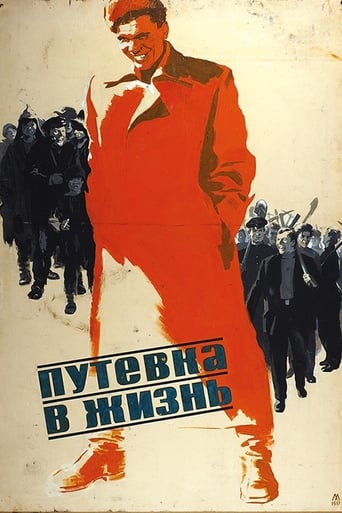
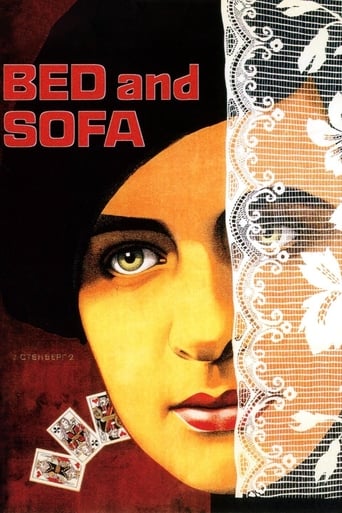
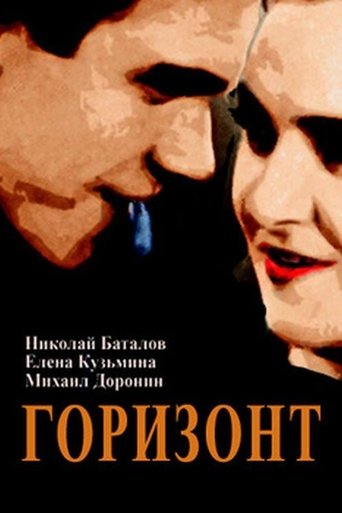
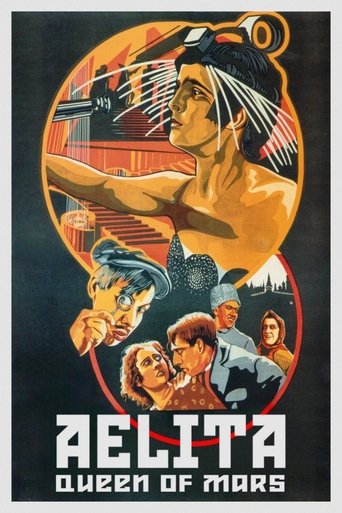
Nikolai Petrovich Batalov — prominent Soviet stage and film actor of the silent and early sound eras, best remembered for bringing a warm, physically expressive humanity to some of Soviet cinema's most important early works. Born in Moscow, he emerged from the theatre world and developed his craft in the highly fertile artistic environment of post-Revolutionary Russian performance culture. Batalov became internationally known for his role in Grigori Aleksandrov's Aelita: Queen of Mars (1924), one of the landmark science-fiction films of the silent era, but his most enduring screen reputation rests on his work in Vsevolod Pudovkin's Mother (1926), where he played a central role in a foundational classic of Soviet montage cinema. He continued to work in key early Soviet productions such as Bed and Sofa (1927), Road to Life (1931), and Horizon (1932), showing a versatility that carried him from silent-era physical acting into the more naturalistic demands of early sound film. His performances are often noted for their emotional directness, sincerity, and clarity, qualities that aligned closely with the ideals of Soviet screen acting in the 1920s and early 1930s. Batalov's career was tragically shortened by illness; he died relatively young, leaving behind a body of work that remained influential in the development of Soviet film performance. He is also remembered as part of the broader cultural generation that helped define the artistic identity of Soviet cinema in its formative years.
The Craft
On Screen
Batalov's acting style is generally associated with the expressive yet restrained traditions of Soviet silent cinema, where gesture, posture, and facial expression had to communicate psychological nuance without dialogue. He was known for emotional clarity and a grounded, humane screen presence rather than flamboyant virtuosity. In his best-known work, he helped embody the Soviet ideal of the ordinary person shaped by social conflict and collective action, giving his characters a believable, working-class sincerity. As sound cinema arrived, his style adapted toward more naturalistic and internally felt performance, though still retaining the physical precision learned in theatre and silent film.
Milestones
- Appeared in Aelita: Queen of Mars (1924),
- Delivered a celebrated performance in Mother (1926), a landmark of Soviet montage cinema directed by Vsevolod Pudovkin
- Acted in Bed and Sofa (1927), an influential Soviet silent-era drama associated with the avant-garde spirit of the 1920s
- Worked successfully through the transition from silent film to early sound cinema in Road to Life (1931) and Horizon (1932)
- Established himself as one of the recognizable male screen performers of early Soviet cinema
- Built a reputation as an actor who combined theatrical discipline with filmic intimacy and emotional authenticity
Best Known For
Iconic Roles
Must-See Films
Working Relationships
Worked Often With
Studios
Why They Matter
Impact on Culture
Nikolai Batalov occupies an important place in the history of Soviet screen acting because he helped define how a leading man could function in revolutionary-era cinema. In films such as Mother, he contributed to a performance style that balanced emotional accessibility with ideological purpose, helping audiences identify with characters who embodied the social struggles at the center of Soviet storytelling. His work in Aelita also connects him to one of the earliest internationally notable science-fiction films, broadening his significance beyond strictly political cinema. Even though he did not become a long-lived star in the Hollywood sense, his performances circulated through the canon of world cinema and remain studied by film historians as examples of the silent-to-sound transition in Soviet performance.
Lasting Legacy
Batalov's legacy lies in his association with the formation of the Soviet film canon and in his contributions to some of the most frequently cited early Russian films. He is remembered less as a celebrity personality than as an essential craftsman whose performances supported the stylistic and ideological ambitions of major directors like Pudovkin and Aleksandrov. Because he died at only 38, his career has a poignant brevity that adds to his historical importance: he represents a generation of artists whose work was foundational yet cut short before they could develop a broader late-career profile. His name endures especially among scholars and enthusiasts of silent cinema and Soviet film history, where Mother and Aelita remain touchstones of the era.
Who They Inspired
Batalov influenced later Soviet screen acting by demonstrating that sincerity, physical control, and emotional transparency could be more powerful than theatrical excess in politically engaged cinema. His work helped establish a template for the Soviet male protagonist as compassionate, resilient, and socially legible to mass audiences. Through his performances in canonical films, he also contributed indirectly to the international understanding of Soviet acting styles during the silent and early sound periods. Later Russian actors, particularly those working in serious dramatic cinema, inherited a tradition in which psychological realism and collective ethos could coexist, a tradition to which Batalov's performances clearly belong.
Off Screen
Batalov was part of the artistic world of early Soviet theatre and cinema, and his personal life is often discussed in connection with the prominent Batalov acting family. He was the brother of actor Vladimir Batalov, and he was also the uncle of the later well-known actor and director Aleksei Batalov, linking him to one of Russia's most respected performance dynasties. Available biographical information on his private life is comparatively limited in English-language reference sources, but he is generally remembered more for his artistic career than for public scandal or celebrity. His early death meant that his later years were marked by declining health rather than a prolonged public profile.
Education
He is known to have developed as an actor in the Russian/Soviet theatrical tradition, but detailed educational records are not consistently available in standard film references.
Family
- Information not reliably available in standard English-language film references
Did You Know?
- He is part of the notable Batalov family, which produced multiple generations of Russian/Soviet performers.
- He is especially remembered for Mother, one of the defining works of Soviet montage cinema.
- His appearance in Aelita: Queen of Mars links him to one of the earliest major science-fiction films in world cinema.
- He worked successfully in both silent films and early sound films, which was not easy for many actors of his generation.
- His career is relatively short in screen terms, but his filmography includes several canonized classics.
- He died young, which limited the number of surviving roles and public appearances associated with him.
- His performances are often cited for sincerity and emotional accessibility rather than stylization alone.
- He is less widely known to general audiences than many Hollywood contemporaries, but he is highly significant in Soviet film history.
Frequently Asked Questions
Who was Nikolai Batalov?
Soviet with credits in this catalog. He appeared in landmark films such as Aelita: Queen of Mars and Mother, helping define the acting style of early Soviet screen performance.
What films is Nikolai Batalov best known for?
Titles linked here include Aelita: Queen of Mars (1924), Mother (1926).
When was Nikolai Batalov born and when did he die?
Born March 6, 1899; died November 10, 1937.
What awards did Nikolai Batalov win?
No major individual awards or formal international honors are consistently documented for him in standard film references. His reputation rests primarily on the historical importance of his films and his contribution to Soviet cinema rather than on a recorded awards list.
What was Nikolai Batalov's acting style?
His style combined the expressive physicality required by silent film with a restrained emotional sincerity that suited Soviet realism. He was especially effective at playing sympathetic, socially grounded characters with clarity and humanity.
What is Nikolai Batalov's legacy in film history?
His legacy is tied to the creation of the Soviet film canon and to some of the era's most important screen performances. He is remembered as a key actor of the silent-to-sound transition whose work helped shape how Soviet heroes were represented on screen.