Vladimir Batalov
Actor & Director
Born: June 23, 1902 in Moscow, Russian Empire Died: April 14, 1964 Active: 1930s-1950s Birth Name: Vladimir Pavlovich Batalov
Films
3 films
About Vladimir Batalov
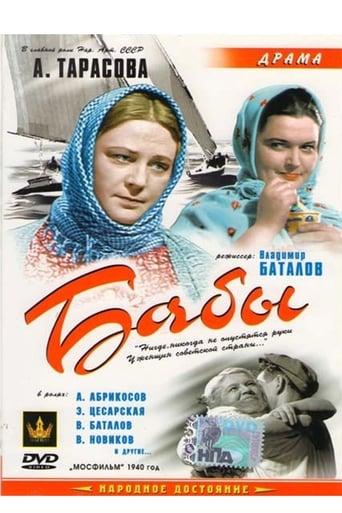
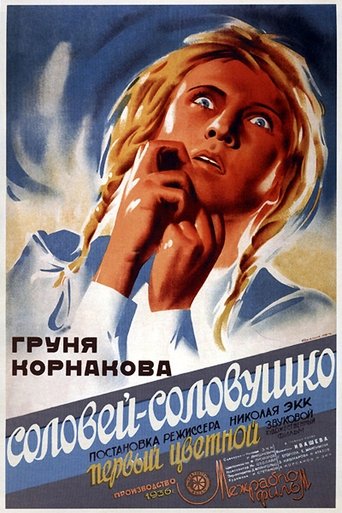
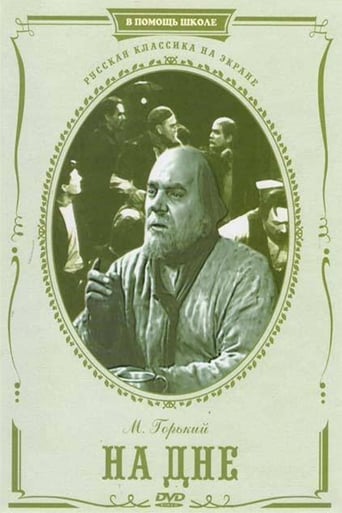
Vladimir Pavlovich Batalov — Soviet actor and director who made significant contributions to Russian cinema during the mid-20th century. Born into a theatrical family in Moscow, he began his career on stage before transitioning to film in the 1930s. Batalov's acting from the early 1930s through the 1950s, during which he became known for his powerful performances in Soviet dramatic films. His most notable acting roles included performances in 'Nightingale' (1936), 'Peasant Women' (1940), and 'The Lower Depths' (1952), where he demonstrated remarkable range and emotional depth. As a director, Batalov made his mark with 'Peasant Women' (1940), a film that showcased his understanding of Soviet rural life and social themes. Throughout his career, he worked within the constraints of the Soviet system while maintaining artistic integrity, becoming one of the respected figures of his generation. Batalov's career was interrupted by World War II, but he returned to filmmaking afterward, continuing to contribute to Soviet cinema until his health began to decline in the late 1950s.
The Craft
On Screen
Batalov was known for his naturalistic and emotionally intense acting style, particularly excelling in dramatic roles that required deep psychological understanding. His performances were characterized by a strong connection to Soviet working-class characters, bringing authenticity and gravitas to his portrayals. He employed a method approach that emphasized internal emotional truth over external theatrics, making his characters relatable and deeply human.
Behind the Camera
As a director, Batalov favored social realist themes that aligned with Soviet artistic principles while maintaining personal artistic vision. His direction emphasized authentic depictions of Soviet life, particularly focusing on rural and working-class experiences. Batalov's visual style was straightforward and purposeful, serving the narrative rather than drawing attention to technical flourishes.
Milestones
- Film debut in early 1930s Soviet cinema
- Starring role in 'Nightingale' (1936)
- Directed and acted in 'Peasant Women' (1940)
- Memorable performance in 'The Lower Depths' (1952)
- Recognition as a People's Artist of the RSFSR
Best Known For
Iconic Roles
Must-See Films
Accolades
Won
- People's Artist of the RSFSR
- Order of the Red Banner of Labour
- Stalin Prize nominee
Nominated
- Stalin Prize nomination for 'Peasant Women' (1940)
- Multiple Soviet State Award nominations
Special Recognition
- Honored Artist of the RSFSR
- People's Artist of the RSFSR
- Order of the Red Banner of Labour
Working Relationships
Worked Often With
Studios
Why They Matter
Impact on Culture
Vladimir Batalov played a significant role in shaping Soviet cinema during a crucial period of its development, bridging the gap between the revolutionary cinema of the 1920s and the more established Soviet film industry of the post-war period. His work in films like 'Peasant Women' helped establish the visual and narrative language of Soviet social realism, influencing how Soviet life was portrayed on screen for decades. Batalov's commitment to authentic portrayals of Soviet characters contributed to the development of a distinctly Soviet cinematic identity that resonated with domestic audiences while also gaining international recognition.
Lasting Legacy
Batalov's legacy lives on through his contributions to Soviet theater and cinema, as well as through the family dynasty he helped establish in Russian performing arts. His films continue to be studied as important examples of mid-20th century Soviet cinema, particularly for their blend of ideological messaging and artistic merit. The Batalov name remains respected in Russian cultural circles, with subsequent generations continuing the family's artistic traditions. His work serves as a valuable historical record of Soviet life and values during a transformative period in Russian history.
Who They Inspired
Batalov influenced subsequent generations of Soviet actors through his naturalistic acting style and his emphasis on psychological depth in character portrayals. His approach to directing, which balanced Soviet ideological requirements with artistic integrity, provided a model for filmmakers working within state-controlled systems. Many actors who worked with him cited his professionalism and dedication as inspirational, and his teaching at GITIS helped shape the next generation of Soviet performers.
Off Screen
Vladimir Batalov came from a family with deep theatrical roots - his father was actor Pavel Batalov, establishing a family legacy in Russian performing arts. He married actress Vera Maretskaya, one of Soviet cinema's most celebrated actresses, creating a power couple in Soviet theatrical circles. The couple had one son, Nikolai Batalov, who also pursued a career in the arts. Batalov's personal life was closely intertwined with his professional career, as he and his wife often collaborated on various theatrical and film projects. Despite the pressures of working within the Soviet system, Batalov maintained a reputation for professionalism and dedication to his craft throughout his life.
Education
Graduated from the State Institute of Theatre Arts (GITIS) in Moscow
Family
- Vera Maretskaya (married 1930s-1964)
Did You Know?
- Came from a prominent theatrical family in Moscow
- His wife Vera Maretskaya was one of Soviet cinema's biggest stars
- Worked during Stalin's era when artistic freedom was severely restricted
- His film 'Peasant Women' was both directed by and starred him
- Served in the Soviet army during World War II
- Was part of the first generation of Soviet film actors trained in modern acting techniques
- His performances were often used as examples in Soviet acting schools
- Maintained a successful career despite the political purges that affected many artists
- His films were shown internationally as examples of Soviet cinema
- Received state honors that were rarely given to artists during his time
In Their Own Words
The truth of character comes not from imitation but from understanding the soul of the people we portray
In Soviet cinema, we have the responsibility to both entertain and educate our audience
Every role is a study in human nature, whether it's a peasant or a revolutionary
The camera captures not just the face, but the truth within
Art must serve the people, but never compromise its integrity
Frequently Asked Questions
Who was Vladimir Batalov?
Prominent Soviet actor and on YTB.my. He was known for his work in films like 'Nightingale' (1936), 'Peasant Women' (1940), and 'The Lower Depths' (1952), and was recognized as a People's Artist of the RSFSR for his contributions to Soviet performing arts.
What films is Vladimir Batalov best known for?
Titles linked here include Nightingale (1936), Peasant Women (1940).
When was Vladimir Batalov born and when did he die?
Born June 23, 1902; died April 14, 1964.
What awards did Vladimir Batalov win?
Batalov received several prestigious Soviet honors including the title of People's Artist of the RSFSR, the Order of the Red Banner of Labour, and was nominated for the Stalin Prize. He was also recognized as an Honored Artist of the RSFSR for his contributions to Soviet cinema and theater.
What was Vladimir Batalov's acting and directing style?
Batalov's acting style was characterized by naturalistic and emotionally intense performances, particularly excelling in dramatic roles requiring psychological depth. As a director, he favored social realist themes with authentic depictions of Soviet life, especially focusing on rural and working-class experiences while maintaining artistic integrity within Soviet ideological constraints.