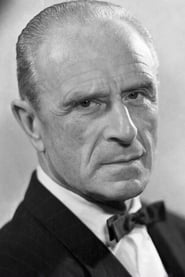
Anatoli Ktorov
Actor
Born: April 24, 1898 in Moscow, Russian Empire Died: September 30, 1980 Active: 1925-1934 (film), 1919-1980 (theater) Birth Name: Anatoli Pavlovich Ktorov
Films
5 films


About Anatoli Ktorov
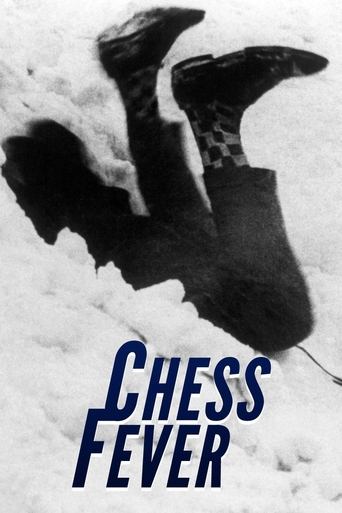
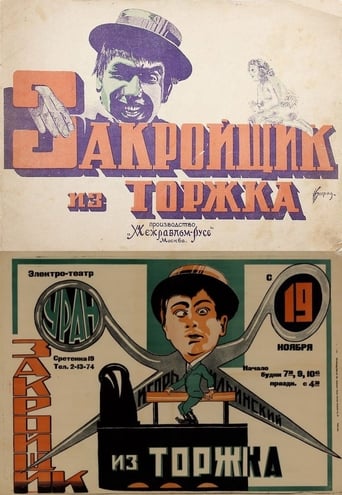
Anatoli Pavlovich Ktorov — prominent Soviet actor whose the silent era and the transition to sound films in Soviet cinema. Born into a theatrical family, he began his stage career before transitioning to film, where he quickly established himself as a versatile character actor. His breakthrough came with his roles in classic Soviet comedies of the 1920s, where his expressive face and comedic timing made him a favorite among directors and audiences alike. Ktorov's film career, while relatively brief, included collaborations with some of the most important Soviet directors of the era, including Yakov Protazanov. Despite his success in film, he maintained strong ties to theater throughout his career, believing it to be the foundation of his craft. His performances in films like 'Chess Fever' and 'The Tailor from Torzhok' showcased his ability to blend physical comedy with subtle character work, making him recognizable faces of early Soviet cinema. As the 1930s progressed, he gradually shifted his focus back to theatrical work, though his film performances from the 1920s remain influential examples of early Soviet comedic acting.
The Craft
On Screen
Ktorov was known for his expressive physical comedy and ability to convey emotion through subtle facial expressions, a skill particularly valuable in silent films. His acting style combined elements of traditional Russian theatrical training with the emerging naturalism of cinema, allowing him to create memorable characters that were both comedic and deeply human. He had a remarkable talent for physical comedy, using his lanky frame and expressive features to great effect in his silent film roles. In his later theatrical work, he developed a reputation for his precise diction and ability to embody complex characters with psychological depth.
Milestones
- Breakthrough role in 'Chess Fever' (1925)
- Starred in 'The Tailor from Torzhok' (1925)
- Leading role in 'The Case of the Three Million' (1926)
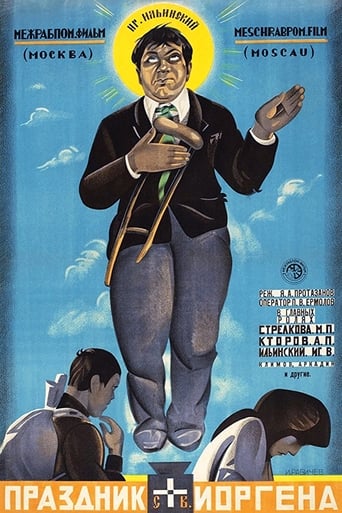
- Featured in 'St. Jorgen's Day' (1930)
- Final film appearance in 'Marionettes' (1934)
- Became People's Artist of the USSR in 1938
- Long-standing career at the Moscow Art Theatre
Best Known For
Iconic Roles
Must-See Films
Accolades
Won
- People's Artist of the USSR (1938)
- Order of Lenin (1967)
- Order of the Red Banner of Labour (1948)
- Stalin Prize (1946)
- Order of the October Revolution (1978)
Special Recognition
- People's Artist of the RSFSR (1933)
- Honored Artist of the RSFSR (1933)
Working Relationships
Worked Often With
Studios
Why They Matter
Impact on Culture
Anatoli Ktorov played a significant role in the development of Soviet comedy during the silent era, helping to establish a uniquely Soviet approach to cinematic humor that balanced social commentary with entertainment. His performances in films like 'Chess Fever' helped demonstrate that Soviet cinema could produce sophisticated comedies that could compete with international standards while remaining ideologically appropriate. Ktorov's work bridged the gap between the theatrical traditions of pre-revolutionary Russia and the new aesthetic demands of Soviet cinema, showing how classical acting techniques could be adapted for the screen. His transition from film to theater also exemplified the complex relationship between these two art forms in Soviet cultural policy, where theater was often considered more prestigious than cinema.
Lasting Legacy
Anatoli Ktorov's legacy lives on primarily through his classic silent film performances, which continue to be studied by film scholars and appreciated by classic cinema enthusiasts. His role in establishing the conventions of Soviet comedy influenced generations of filmmakers and actors who followed. While his film career was relatively brief, his impact on Soviet theater was profound and long-lasting, particularly through his decades of work at the Moscow Art Theatre. Ktorov is remembered as one of the few actors who successfully navigated the transition from silent films to sound, and from the experimental 1920s to the more rigid cultural environment of the Stalin era. His marriage to Alla Tarasova created one of Soviet theater's legendary partnerships, and their combined artistic output represents some of the finest work in 20th-century Russian performing arts.
Who They Inspired
Ktorov's approach to physical comedy and character acting influenced numerous Soviet comedians and character actors who followed in his footsteps. His work demonstrated how traditional Russian theatrical techniques could be effectively adapted for cinema, providing a model for other stage actors making the transition to film. At the Moscow Art Theatre, his teaching and mentoring helped shape several generations of Soviet actors, passing on the Stanislavski system while adapting it to contemporary needs. His ability to maintain artistic integrity while working within the Soviet system served as an example for other artists facing similar challenges.
Off Screen
Anatoli Ktorov came from a family deeply involved in the arts, with his father being a well-known actor. He married actress Alla Tarasova,. Their marriage lasted from 1939 until Tarasova's death in 1973, and they often performed together at the Moscow Art Theatre. Despite his fame, Ktorov was known for his humility and dedication to his craft, often preferring the relative anonymity of stage work to film stardom. He lived through the most tumultuous periods of Soviet history, including the Stalin era, and managed to maintain his artistic integrity while navigating the complex political landscape of Soviet cultural life.
Education
Graduated from the Moscow Art Theatre School under the direction of Konstantin Stanislavski and Vladimir Nemirovich-Danchenko
Family
- Alla Tarasova (1939-1973)
Did You Know?
- Despite his success in silent films, Ktorov preferred stage acting and returned primarily to theater work after 1934
- His film 'Chess Fever' featured a cameo by world chess champion José Raúl Capablanca
- Ktorov was one of the few actors who successfully worked under both Tsarist and Soviet regimes
- His wife Alla Tarasova was considered one of the greatest Soviet actresses of all time
- He served as a mentor to many young actors at the Moscow Art Theatre
- Ktorov survived the Stalin purges that claimed many of his contemporaries in the arts
- His performance style was particularly suited to the physical demands of silent film acting
- He continued acting on stage well into his 70s
- Ktorov's films were sometimes shown internationally, helping to showcase Soviet cinema abroad
- He was known for his meticulous preparation for roles, often spending months studying characters before performances
In Their Own Words
The theater is not a place for entertainment, but a temple where we serve the eternal ideals of art
In silence, the actor's face must speak louder than words ever could
To understand a character, one must first understand oneself
Comedy is not about making people laugh, but about revealing the truth through laughter
The greatest art is that which touches the human heart without the artist's ego getting in the way
Frequently Asked Questions
Who was Anatoli Ktorov?
Prominent Soviet with credits in this catalog. He later became a celebrated stage actor at the Moscow Art Theatre and was named People's Artist of the USSR in 1938.
What films is Anatoli Ktorov best known for?
Titles linked here include Chess Fever (1925), The Tailor from Torzhok (1925).
When was Anatoli Ktorov born and when did he die?
Born April 24, 1898; died September 30, 1980.
What awards did Anatoli Ktorov win?
Ktorov received numerous honors including the title of People's Artist of the USSR (1938), the Stalin Prize (1946), Order of Lenin (1967), Order of the Red Banner of Labour (1948), and Order of the October Revolution (1978).
What was Anatoli Ktorov's acting style?
Ktorov was known for his expressive physical comedy and subtle facial expressions, particularly valuable in silent films. His style combined traditional Russian theatrical training with emerging cinematic naturalism, allowing him to create memorable characters that were both comedic and deeply human.
Did Anatoli Ktorov work in theater as well as film?
Yes, Ktorov had a theatrical career that actually outlasted his film work. He was a long-standing member of the Moscow Art Theatre, where he performed from the 1920s until his death, and was considered one of the theater's leading actors.
Was Anatoli Ktorov married?
Yes, Ktorov was married to Alla Tarasova,. They married in 1939 and remained together until Tarasova's death in 1973, creating one of Soviet theater's most famous artistic couples.