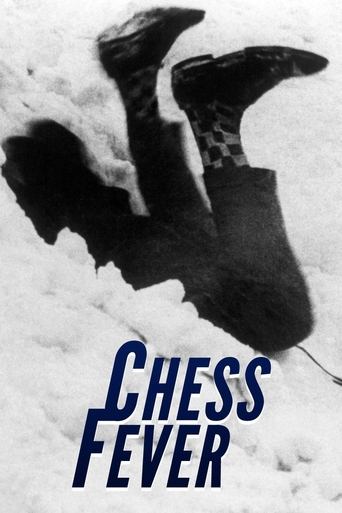
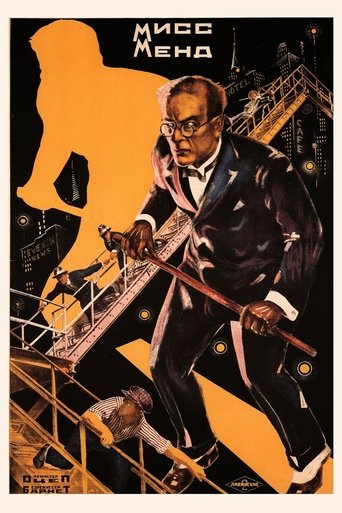
Films
2 films
About Natalya Glan
Soviet actress who emerged during the vibrant period of Soviet silent cinema in the mid-1920s. Her career, though brief, coincided with the golden age of Soviet avant-garde filmmaking when directors like Vsevolod Pudovkin were revolutionizing cinematic language. Natalya appears in two significant Soviet productions: 'Chess Fever' (1925), a comedy short that cleverly captured the chess obsession sweeping the Soviet Union, and 'Miss Mend' (1926), an adventure serial that showcased the technical and narrative ambitions of early Soviet cinema. Like many actors of her era, Glan's work was characterized by the exaggerated physicality and expressive techniques required for silent film performance. Her filmography, though limited, places her within the important circle of artists who helped establish Soviet cinema's international reputation. Unfortunately, like many performers from this period whose careers were cut short by the transition to sound films or other circumstances, detailed records of her life and career remain scarce.
The Craft
On Screen
As a silent film actress, Natalya Glan would have employed the exaggerated physical gestures and facial expressions typical of the era, using her body and eyes to convey emotions and narrative without the benefit of dialogue. Her performances in both 'Chess Fever' and 'Miss Mend' suggest she was adept at the physical comedy and dramatic expressiveness required by Soviet silent cinema, which often emphasized bold, theatrical gestures to communicate with audiences.
Milestones
- Starred in 'Chess Fever' (1925)
- Appeared in 'Miss Mend' (1926)
- Participated in Soviet silent cinema's golden age
Best Known For
Iconic Roles
Must-See Films
Working Relationships
Worked Often With
Studios
Why They Matter
Impact on Culture
Natalya Glan's contribution to cinema, while limited in scope, represents the broader cultural phenomenon of Soviet silent cinema in the 1920s. Her appearance in 'Chess Fever' places her within a film that captured a unique cultural moment in Soviet history, when chess was promoted as both an intellectual pursuit and a symbol of Soviet strategic thinking. 'Miss Mend' was. Glan's participation in these productions reflects the collaborative nature of Soviet filmmaking during this period, where numerous actors contributed to creating a distinctive national cinema that would influence filmmakers worldwide.
Lasting Legacy
Natalya Glan's legacy is primarily preserved through her surviving film work, particularly 'Chess Fever,' which remains. While she may not have achieved the lasting fame of contemporaries like Vera Kholodnaya or other Soviet film stars, her performances contribute to our understanding of the ensemble nature of early Soviet cinema. Her brief career exemplifies the fate of many actors from the silent era whose work survives even when their personal histories have been largely lost to time. Through these films, Glan remains part of the important historical record of Soviet artistic achievement during the revolutionary period.
Who They Inspired
As a relatively minor figure in Soviet cinema, Natalya Glan's direct influence on other performers appears limited. However, her work in 'Chess Fever' and 'Miss Mend' contributed to the development of Soviet film acting styles that would later influence international cinema. The films she appeared in were part of the broader Soviet cinematic movement that inspired filmmakers worldwide, particularly in their innovative use of montage and visual storytelling techniques.
Off Screen
Very little documented information exists about Natalya Glan's personal life, which is unfortunately common for many Soviet actors of the silent era whose careers were brief and whose personal details were not extensively recorded in film histories. Her brief filmography suggests she may have been one of many actors who appeared in only a few films during the mid-1920s before either leaving the industry or being unable to transition successfully to sound films.
Did You Know?
- 'Chess Fever' (1925) featured actual chess champion José Raúl Capablanca in a cameo appearance
- The film 'Miss Mend' (1926) was originally released as a three-part serial, totaling nearly four hours in length
- Both films Glan appeared in were produced during the peak of Soviet silent cinema's international recognition
- 'Chess Fever' was co-directed by Vsevolod Pudovkin, who would become one of Soviet cinema's most important theorists and directors
- The mid-1920s saw Soviet cinema achieving remarkable artistic maturity despite the country's political and economic challenges
- Many Soviet actors from this period, including Glan, had careers that ended with the transition to sound films in the late 1920s and early 1930s
Frequently Asked Questions
Who was Natalya Glan?
Soviet actress active during the silent film era of the mid-1920s, best known for her appearances in 'Chess Fever' (1925) and 'Miss Mend' (1926). Her career was brief but coincided with the golden age of Soviet avant-garde cinema.
What films is Natalya Glan best known for?
Titles linked here include Chess Fever (1925), Miss Mend (1926).
When was Natalya Glan born and when did she die?
Unfortunately, specific birth and death dates for Natalya Glan are not documented in available film historical sources, which is common for many actors from early Soviet cinema whose careers were brief and whose personal records were not preserved.
What awards did Natalya Glan win?
There are no documented awards or honors for Natalya Glan, which was typical for many Soviet actors of the silent era who worked in ensemble roles and whose contributions were not formally recognized by the award systems that developed later in cinema history.
What was Natalya Glan's acting style?
As a silent film actress, Glan would have employed the exaggerated physical gestures and facial expressions typical of the era, using dramatic body language and expressive techniques to convey emotions without dialogue, in line with the theatrical style common in Soviet silent cinema.
What happened to Natalya Glan after 1926?
Like many actors from the silent era, Glan's film career appears to have ended after 1926, possibly due to the transition to sound films or other circumstances. The lack of subsequent film credits suggests she may have left the film industry, though specific details about her later life are not documented.
Were Natalya Glan's films successful internationally?
Both 'Chess Fever' and 'Miss Mend' were significant Soviet productions that received attention during the 1920s when Soviet cinema was gaining international recognition for its innovative techniques. 'Chess Fever' in particular has endured as a classic example of Soviet silent comedy.