Konstantin Eggert
Actor & Director
Born: October 9, 1883 in Moscow, Russian Empire Died: October 24, 1955 Active: 1924-1925 Birth Name: Konstantin Vladimirovich Eggert
Films
3 films
About Konstantin Eggert
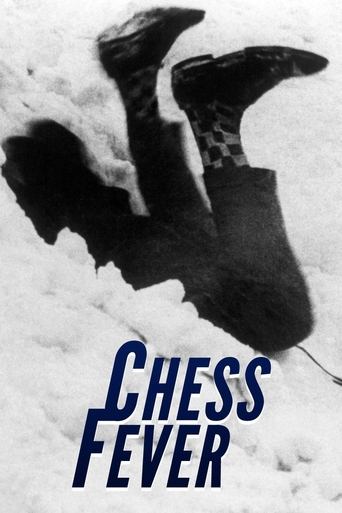
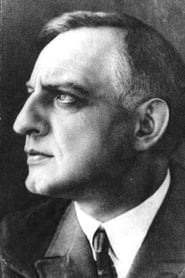
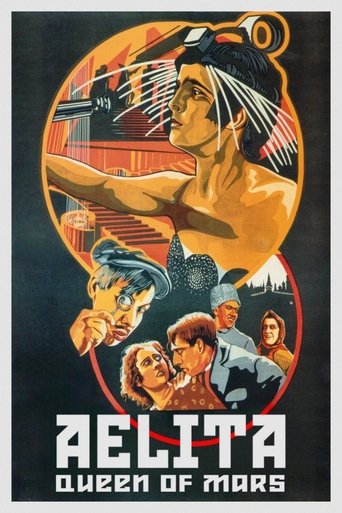
Prominent Russian actor and director who emerged during the formative years of Soviet cinema in the 1920s. Born in 1883 in Moscow, he began his artistic career in theater before transitioning to the burgeoning film industry during the silent era. Eggert gained international recognition for his starring role as Engineer Los in Yakov Protazanov's science fiction film 'Aelita: Queen of Mars' (1924), one of the earliest full-length space exploration films ever made. His performance in this avant-garde production showcased his ability to convey complex emotions through the subtle physical acting required in silent cinema. In 1925, he appeared in the comedy short 'Chess Fever,' directed by Vsevolod Pudovkin and Nikolai Shpikovsky, which demonstrated his versatility beyond dramatic roles. Eggert also ventured into directing, though his directorial work remains less documented than his acting achievements. His film career was relatively brief but significant, coinciding with the golden age of Soviet silent cinema before the transition to sound films in the late 1920s.
The Craft
On Screen
Eggert embodied the theatrical yet nuanced acting style characteristic of Soviet silent cinema, using exaggerated gestures and facial expressions to convey emotion while maintaining a subtle psychological depth. His performances combined the melodramatic traditions of Russian theater with the emerging cinematic language of the 1920s, allowing him to portray both the intellectual curiosity of his character in 'Aelita' and the comedic timing in 'Chess Fever' with equal effectiveness.
Milestones
- Starred in the science fiction film 'Aelita: Queen of Mars' (1924)
- Appeared in the acclaimed comedy 'Chess Fever' (1925)
- Transitioned from theater to film during the golden age of Soviet cinema
- Worked with prominent Soviet directors including Yakov Protazanov
Best Known For
Iconic Roles
Must-See Films
Accolades
Special Recognition
- Recognized as a pioneer of Soviet science fiction cinema
- Honored in Russian film history for contributions to early Soviet cinema
Working Relationships
Worked Often With
Studios
Why They Matter
Impact on Culture
Konstantin Eggert's performance in 'Aelita: Queen of Mars' placed him at the forefront of early science fiction cinema, helping establish visual and narrative conventions that would influence the genre for decades. The film itself became a cultural touchstone, representing both Soviet artistic innovation and the utopian dreams of the early revolutionary period. Eggert's portrayal of Engineer Los embodied the Soviet ideal of the scientific revolutionary, combining intellectual curiosity with romantic passion. His work contributed to the international recognition of Soviet cinema during the 1920s, when Russian films were celebrated for their artistic experimentation and ideological content. The lasting appeal of 'Aelita' has ensured Eggert's place in film history, with the film regularly cited in discussions of early science fiction and Soviet avant-garde cinema.
Lasting Legacy
Konstantin Eggert's legacy endures primarily through his iconic performance in 'Aelita: Queen of Mars,' which remains. His portrayal of the conflicted engineer who travels to Mars continues to be studied by film scholars interested in the intersection of science fiction, Soviet ideology, and cinematic innovation. While his filmography was limited, Eggert's work exemplifies the artistic achievements of early Soviet cinema and its contribution to global film culture. His performance style, blending theatrical tradition with cinematic naturalism, influenced subsequent generations of Russian actors. Film historians and science fiction enthusiasts continue to rediscover and appreciate Eggert's contributions to cinema history, ensuring that his name remains associated with the golden age of Soviet silent film.
Who They Inspired
Eggert's performance in 'Aelita' influenced the development of the science fiction genre, particularly in how it portrayed space exploration and alien civilizations. His approach to playing an intellectual protagonist in a fantastical setting provided a template for later science fiction actors who needed to balance scientific credibility with dramatic intensity. The film's visual style and Eggert's performance specifically influenced later Soviet science fiction productions and even international filmmakers who drew inspiration from early Russian cinema. His work demonstrated how silent film could effectively convey complex scientific and philosophical concepts through visual storytelling and physical performance.
Off Screen
Konstantin Eggert was born into a cultured Moscow family during the late Tsarist period and received a traditional Russian education before pursuing the arts. He married and had children, though specific details about his family life remain limited in historical records. Eggert survived the tumultuous period of the Russian Revolution and subsequent civil war, adapting his career to the new Soviet cultural landscape. His later years were spent away from the film industry, though he maintained connections to Moscow's artistic community until his death in 1955.
Education
Classical Russian education with theatrical training in Moscow
Family
Did You Know?
- 'Aelita: Queen of Mars' was one of the first feature-length science fiction films ever made
- The film's Martian sets were designed by avant-garde artist Alexandra Exter and Constructivist artists
- Eggert's character travels to Mars using a rocket ship, making it one of the earliest depictions of space travel in cinema
- Despite being a Soviet film, 'Aelita' was distributed internationally and influenced Western science fiction
- The film was partially shot on location in Moscow, with some scenes filmed at the city's power plant
- Chess Fever' was a short comedy that parodied the chess craze that swept the Soviet Union in the 1920s
- Both of Eggert's known films were made during the brief period of creative freedom in Soviet cinema before strict Stalinist controls were imposed
- 'Aelita' featured a revolutionary combination of Constructivist design and futuristic storytelling
- The film's Mars sequences used innovative special effects and costumes that were ahead of their time
- Eggert's performance style reflected the transition from theatrical acting to the more naturalistic approach that would dominate cinema in later years
In Their Own Words
Frequently Asked Questions
Who was Konstantin Eggert?
Russian actor and on YTB.my. He is best known for his starring role as Engineer Los in the groundbreaking science fiction film 'Aelita: Queen of Mars' (1924), one of the earliest feature-length space exploration films.
What films is Konstantin Eggert best known for?
Titles linked here include Aelita: Queen of Mars (1924), Chess Fever (1925).
When was Konstantin Eggert born and when did he die?
Born October 9, 1883; died October 24, 1955.
What awards did Konstantin Eggert win?
While Eggert did not receive formal awards during his lifetime, he is posthumously recognized as a pioneer of Soviet cinema and science fiction film. His contributions are honored in Russian film history, particularly for his role in establishing early science fiction conventions.
What was Konstantin Eggert's acting style?
Eggert embodied the theatrical yet nuanced acting style of Soviet silent cinema, using exaggerated gestures and facial expressions to convey emotion while maintaining psychological depth. His performances combined Russian theatrical traditions with emerging cinematic techniques, allowing him to portray both dramatic and comedic roles effectively.