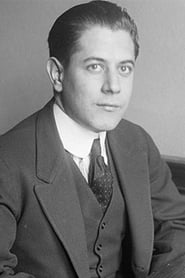
José Raúl Capablanca
Actor
Born: November 19, 1888 in Havana, Cuba Died: March 8, 1942 Active: 1925-1925 (film career) Birth Name: José Raúl Capablanca y Graupera
Films
1 film
About José Raúl Capablanca
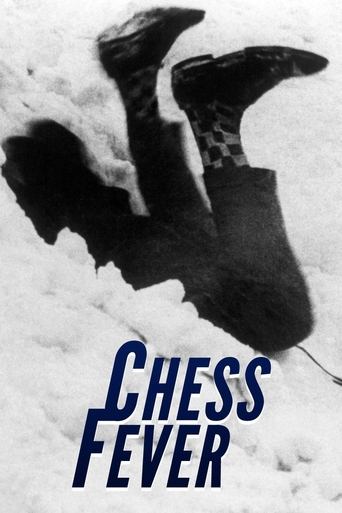
José Raúl Capablanca was primarily a Cuban chess grandmaster and World Chess Champion from 1921 to 1927, the greatest natural talents in chess history. His only known film appearance was in the Soviet silent comedy 'Chess Fever' (1925), where he played himself during the height of his fame. The film was shot during the 1925 Moscow International Tournament, which Capablanca participated in alongside other chess luminaries. His appearance in the film was essentially a cameo that capitalized on his celebrity status as a chess champion. Beyond this brief foray into cinema, Capablanca's career was entirely dedicated to chess, where he was known for his exceptional positional understanding and endgame technique. His film appearance remains a unique curiosity in both chess and cinema history, representing a rare intersection of these two worlds during the silent era.
The Craft
On Screen
Non-professional performer who appeared as himself in a natural, documentary-style manner typical of cameo appearances in early cinema
Milestones
- World Chess Champion (1921-1927)
- Appeared in Soviet film 'Chess Fever' (1925)
- Won 1925 Moscow International Tournament
- Defeated Emanuel Lasker to become World Champion
- Known as 'The Human Chess Machine' for his intuitive play
Best Known For
Iconic Roles
Must-See Films
Accolades
Won
- World Chess Champion title (1921-1927)
- Inducted into World Chess Hall of Fame
Special Recognition
- World Chess Hall of Fame inductee
- Considered one of the top 5 chess players of all time
- Multiple tournament victories throughout chess career
Working Relationships
Worked Often With
Studios
Why They Matter
Impact on Culture
Capablanca's appearance in 'Chess Fever' represents a fascinating moment where chess and cinema intersected during the Soviet avant-garde period. The film itself is considered a classic of Soviet comedy and provides valuable documentation of the 1925 Moscow International Tournament. His participation helped legitimize chess as a subject worthy of cinematic treatment and brought the intellectual sport to a broader audience. The film remains an important artifact for both chess enthusiasts and film historians studying Soviet cinema of the 1920s.
Lasting Legacy
While primarily remembered as one of chess's greatest champions, Capablanca's film appearance has secured him a unique place in cinema history as one of the few sports champions to appear in a feature film during the silent era. 'Chess Fever' continues to be screened at film festivals and chess events, ensuring his cinematic legacy endures. His natural charisma on screen demonstrated why he was such a popular figure beyond the chess world.
Who They Inspired
Capablanca's film cameo paved the way for other sports figures to appear in films, though his was particularly notable as it occurred during the early days of cinema. His appearance helped establish the precedent for documentaries and films featuring real champions playing themselves, a format that would become more common in later decades.
Off Screen
Capablanca led a life centered around chess, though he also served as a Cuban diplomat. He married twice, first to Gloria Simoni Betancourt with whom he had a son, and later to Olga Chagodaev, a Russian princess. His personal charm and good looks made him a popular figure both in chess circles and beyond. He was known for his social skills and was often seen at high society events in New York and Europe.
Education
Studied mechanical engineering at Columbia University but left to pursue chess professionally
Family
- Gloria Simoni Betancourt (1921-1937)
- Olga Chagodaev (1938-1942)
Did You Know?
- Chess Fever was shot during the actual 1925 Moscow International Tournament
- The film featured other real chess players of the era
- Capablanca was known as 'The Chess Machine' for his rapid calculations
- He learned chess at age 4 by watching his father play
- His peak Elo rating (retroactively calculated) was 2725
- He lost only 34 games in his entire professional career
- He was fluent in Spanish, English, and French
- His death from a brain hemorrhage occurred while watching a chess game at Manhattan Chess Club
- He once played 8 simultaneous games blindfolded
- His chess books are still studied by players today
In Their Own Words
I have always had a supple, subtle mind, capable of adapting itself to any circumstance
Good players do not make mistakes; they merely make inferior moves
The hardest game to win is a won game
You may learn much more from a game you lose than from a game you win
Chess is a game of imagination and strategy
Frequently Asked Questions
Who was José Raúl Capablanca?
Cuban chess grandmaster and World Chess Champion from 1921-1927, who made a brief appearance in the Soviet silent film 'Chess Fever' (1925). He is widely regarded as one of the greatest natural chess talents in history.
What films is José Raúl Capablanca best known for?
Titles linked here include Chess Fever (1925).
When was José Raúl Capablanca born and when did he die?
Born November 19, 1888; died March 8, 1942.
What awards did José Raúl Capablanca win?
His primary achievement was the World Chess Championship title (1921-1927). He was also inducted into the World Chess Hall of Fame and won numerous international chess tournaments throughout his career.
What was José Raúl Capablanca's acting style?
Capablanca was not a professional actor; his appearance in 'Chess Fever' was a natural, documentary-style cameo where he played himself, capturing his real persona as a chess champion during tournament play.
Why did Capablanca appear in Chess Fever?
The film was shot during the actual 1925 Moscow International Tournament, and the filmmakers incorporated real chess players including Capablanca to add authenticity to this comedy about chess obsession.
What was Capablanca's legacy beyond chess?
Beyond his chess achievements, Capablanca's film appearance secured him a unique place in cinema history as one of the first sports champions to appear in a feature film, bridging the worlds of intellectual sports and early Soviet cinema.