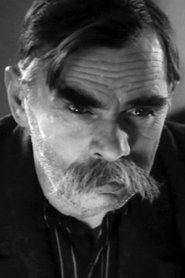
Aleksandr Chistyakov
Actor
Born: March 23, 1886 in Moscow, Russian Empire Died: July 7, 1941 Active: 1926-1941 Birth Name: Aleksandr Pavlovich Chistyakov
Films
13 films


About Aleksandr Chistyakov
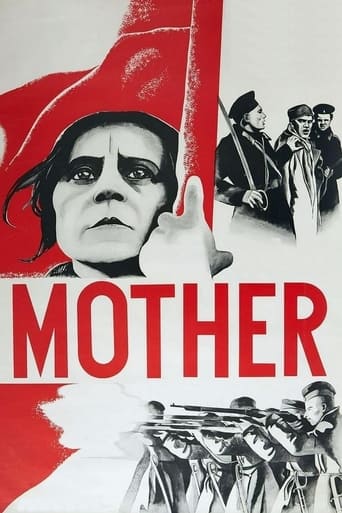
Prominent Soviet actor who emerged during the revolutionary period of Russian cinema, becoming recognizable character actors of the 1920s and 1930s. He began his film career during the golden age of Soviet silent cinema, quickly establishing himself as a versatile performer capable of portraying both revolutionary heroes and antagonistic bourgeois characters. His collaboration with director Vsevolod Pudovkin on 'Mother' (1926) marked his breakthrough, where he that showcased his ability to embody the ideological struggles of the era. Throughout the late 1920s and early 1930s, Chistyakov became a staple in Soviet propaganda films, appearing in works by major directors including Vsevolod Pudovkin and Sergei Eisenstein. His transition to sound films was seamless, and he continued to be in high demand throughout the 1930s, appearing in both historical epics and contemporary dramas. By the time of his death in 1941, he had appeared in over 50 films, leaving an indelible mark on Soviet cinema's formative years. His the entire evolution of Soviet film from silent masterpieces to socialist realist sound productions.
The Craft
On Screen
Chistyakov was known for his powerful, expressive acting style that perfectly suited the demands of both silent and early Soviet sound cinema. His performances were characterized by strong physical presence and intense emotional expression, often embodying the ideological archetypes favored by Soviet filmmakers. In silent films, he mastered the art of conveying complex emotions through gesture and facial expression, while in sound films, his commanding voice and dramatic delivery enhanced his already formidable screen presence. He particularly excelled at playing characters representing the working class and revolutionary ideals, bringing authenticity and gravitas to these roles.
Milestones
- Breakthrough role in Vsevolod Pudovkin's 'Mother' (1926)
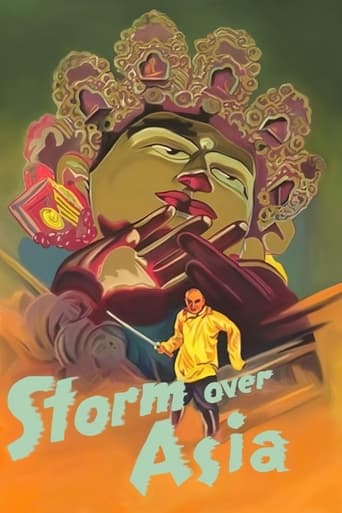
- Memorable performance in 'Storm Over Asia' (1928)
- Successful transition from silent to sound films
- Prolific career with over 50 film appearances
- Collaboration with major Soviet directors of the era
Best Known For
Iconic Roles
Must-See Films
Accolades
Won
- Honored Artist of the RSFSR (1935)
Special Recognition
- Honored Artist of the Russian Soviet Federative Socialist Republic
Working Relationships
Worked Often With
Studios
Why They Matter
Impact on Culture
Aleksandr Chistyakov played a significant role in shaping the visual language of Soviet cinema during its formative years. His performances in key films of the 1920s and 1930s helped establish the archetypes of the Soviet hero and antagonist that would influence generations of actors and filmmakers. Through his work with directors like Pudovkin, he contributed to the development of montage theory and revolutionary cinema aesthetics that would have a global impact on filmmaking. His ability to embody ideological concepts through his performances made him an important figure in the Soviet cultural project, helping to visualize the revolutionary narrative for Soviet audiences. Chistyakov's work represents the transition from experimental silent cinema to the more codified socialist realist style that would dominate Soviet film in the 1930s.
Lasting Legacy
Aleksandr Chistyakov's legacy lies in his contribution to the foundation of Soviet cinema as both an art form and ideological tool. His performances in landmark films like 'Mother' and 'Storm Over Asia' remain important examples of early Soviet acting techniques and revolutionary cinema aesthetics. As. His successful transition from silent to sound films demonstrated the adaptability required of actors during this period of rapid technological change in cinema. Today, film scholars and historians study his work to understand the evolution of acting styles in Soviet cinema and the role of film in shaping Soviet cultural identity.
Who They Inspired
Chistyakov influenced subsequent generations of Soviet actors through his powerful screen presence and commitment to ideological authenticity in performance. His work with major directors of the Soviet avant-garde helped establish acting techniques that balanced theatrical expression with cinematic realism. Younger actors studying his performances learned how to embody complex social and political ideas through physical and emotional expression. His collaborations with directors contributed to the development of a distinctly Soviet approach to film acting that emphasized collective values and revolutionary spirit over individual psychology.
Off Screen
Aleksandr Chistyakov was deeply committed to the Soviet cultural project and was an active participant in the artistic community of revolutionary Russia. He was known for his dedication to his craft and his belief in the power of cinema as a tool for social and political education. His personal life reflected the tumultuous times in which he lived, with his career coinciding with the major political and social transformations of the Soviet Union. He passed away in 1941, just as the Soviet Union was entering World War II, marking the end of a significant career that had helped shape Soviet cinema during its most formative decades.
Education
Information not available
Family
- Information not available
Did You Know?
- Appeared in over 50 films during his 15-year career
- Was one of the few actors to successfully transition from silent films to sound films in Soviet cinema
- Worked with some of the most important Soviet directors of the 1920s and 1930s
- His career coincided with the major aesthetic shifts in Soviet film from avant-garde to socialist realism
- Received the title 'Honored Artist of the RSFSR' in recognition of his contributions to Soviet cinema
- Many of his films were considered classics of Soviet cinema and were studied in film schools internationally
- His performance in 'Mother' was particularly praised for its authentic portrayal of working-class struggle
- Died in 1941, the year the Soviet Union entered World War II
- His filmography represents a comprehensive survey of Soviet cinema's development during the interwar period
- Often played characters that embodied the ideological conflicts of revolutionary Russia
In Their Own Words
The actor must serve the revolution through his art, for cinema is the most powerful weapon of the people
In every role, I seek to embody not just a character, but the spirit of our times and our struggle
The transition from silent to sound film requires not just a new technique, but a new understanding of how truth is conveyed on screen
Frequently Asked Questions
Who was Aleksandr Chistyakov?
Prominent Soviet with credits in this catalog. He was.
What films is Aleksandr Chistyakov best known for?
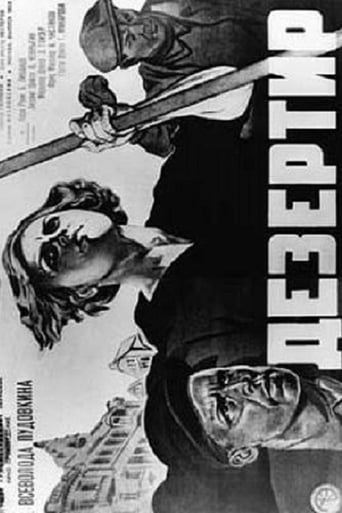
Titles linked here include Mother (1926), Storm Over Asia (1928).
When was Aleksandr Chistyakov born and when did he die?
Born March 23, 1886; died July 7, 1941.
What awards did Aleksandr Chistyakov win?
Chistyakov was awarded the title 'Honored Artist of the RSFSR' in 1935 in recognition of his significant contributions to Soviet cinema. This was one of the highest artistic honors available in the Soviet Union at the time.
What was Aleksandr Chistyakov's acting style?
Chistyakov was known for his powerful, expressive acting style characterized by strong physical presence and intense emotional expression. He excelled at conveying complex emotions through gesture and facial expression in silent films, and his commanding voice enhanced his performances in sound films. He particularly embodied the ideological archetypes favored by Soviet filmmakers.
How did Aleksandr Chistyakov contribute to Soviet cinema?
Chistyakov played a crucial role in shaping Soviet cinema's visual language during its transition from silent to sound films. His performances in key revolutionary films helped establish archetypes of Soviet heroes and antagonists, and his work with directors contributed to the development of montage theory and revolutionary cinema aesthetics that influenced global filmmaking.