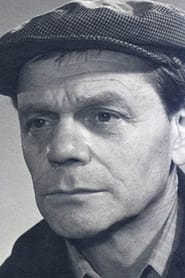
Vladimir Uralskiy
Actor
Born: January 15, 1887 in Samara, Russian Empire Died: May 18, 1955 Active: 1925-1952 Birth Name: Vladimir Mikhailovich Semyonov
Films
20 films
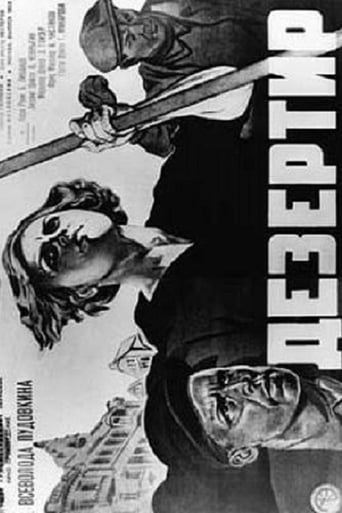
Deserter
1933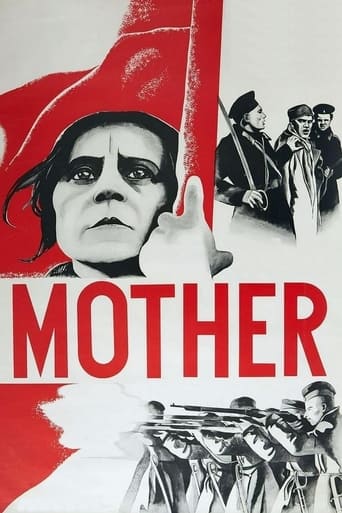
Mother
1926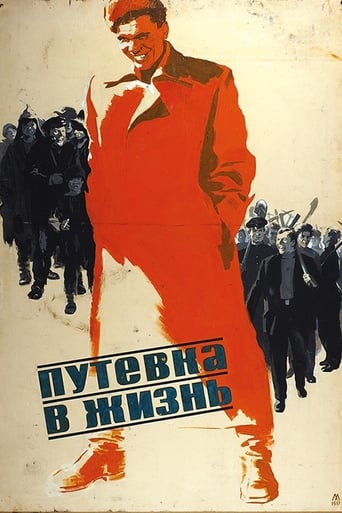
Road to Life
1931
A Noisy Household
1946No Poster
Collection of Films for the Armed Forces #6
1941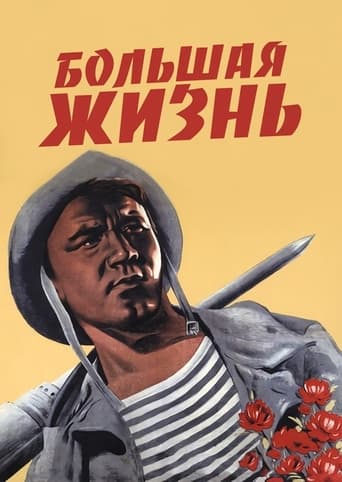
A Great Life
1939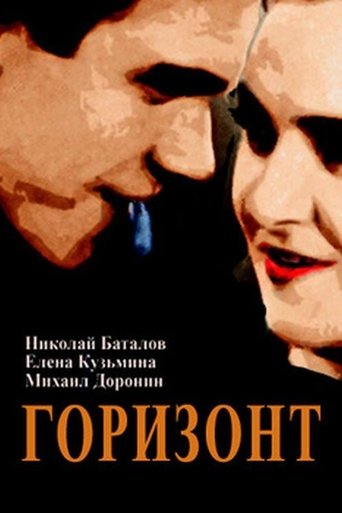
Horizon
1932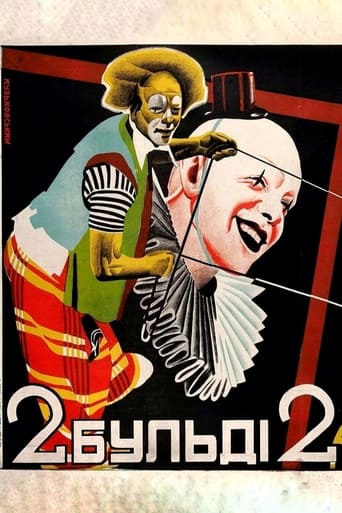
Two-Buldi-Two
1929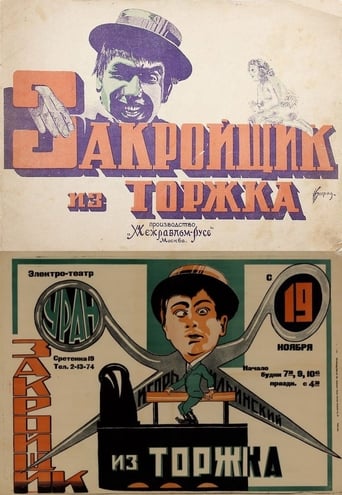
The Tailor from Torzhok
1925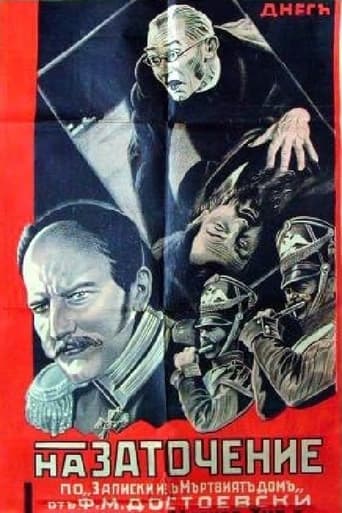
House of the Dead
1932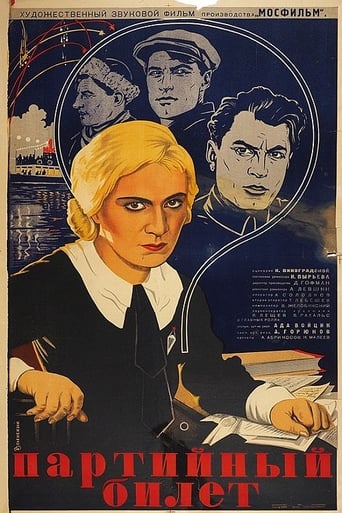
Anna
1936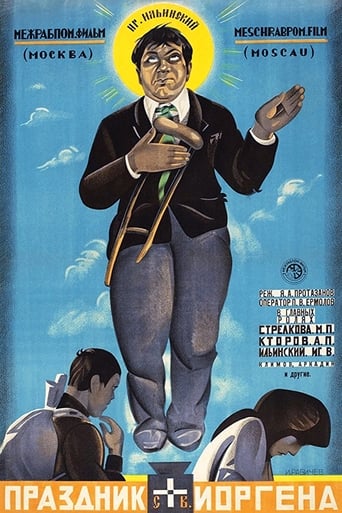
St. Jorgen's Day
1930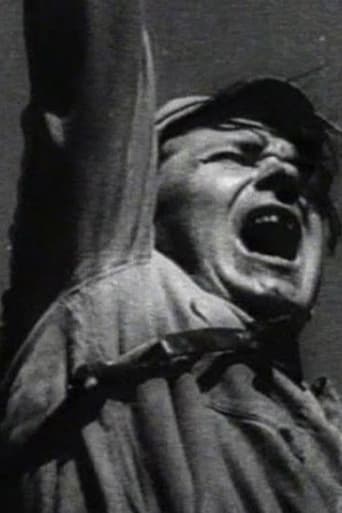
A Simple Case
1932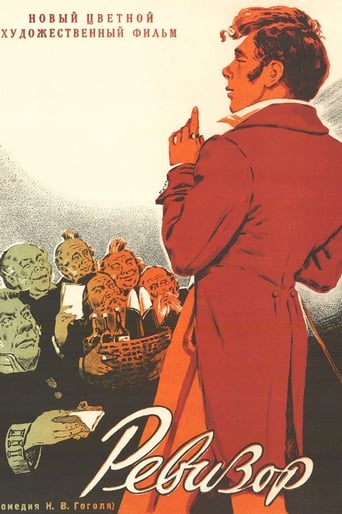
The Inspector-General
1952
Jubilee
1944
Torn Boots
1933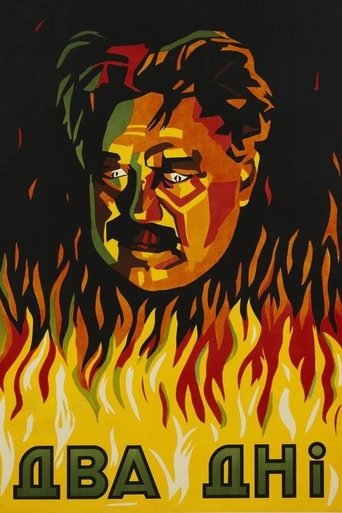
Two Days
1927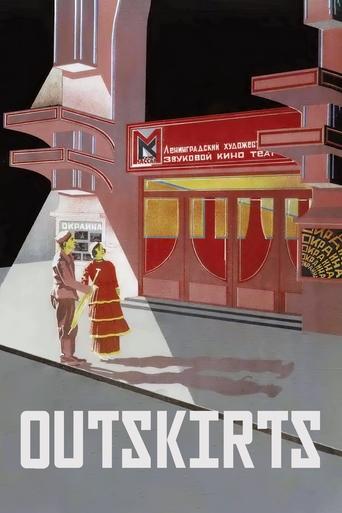
Outskirts
1933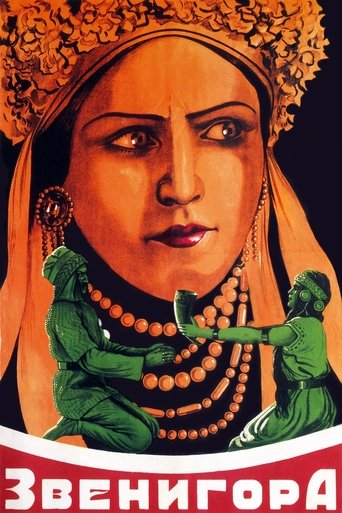
Zvenyhora
1928About Vladimir Uralskiy
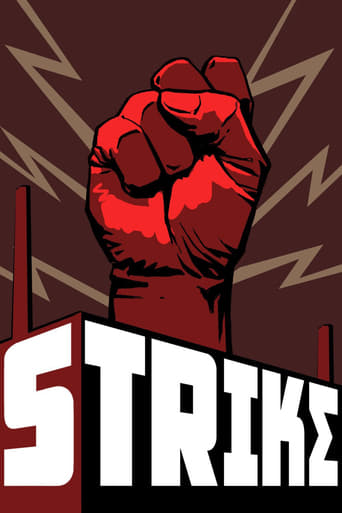
Prominent Soviet actor: the silent era through the early Stalinist period of Soviet cinema. Born Vladimir Mikhailovich Semyonov, he adopted the stage name Uralskiy early in his career and became a Vsevolod Pudovkin regular in Mother (1926) and Storm over Asia (1928). His breakthrough came with his powerful performances in Sergei Eisenstein's 'Strike' (1925) and Vsevolod Pudovkin's 'Mother' (1926), where he specialized in portraying working-class heroes and revolutionary figures. Uralskiy worked with many of the Soviet Union's most celebrated directors, including Alexander Dovzhenko in 'Zvenyora' (1928), helping to define the visual language of Soviet montage theory through his expressive performances. As the Soviet film industry transitioned to sound, Uralskiy successfully adapted his acting style and continued working in character roles throughout the 1930s and 1940s. His later career included supporting roles in socialist realist films that aligned with Soviet cultural policies. Despite the political pressures of the Stalin era, Uralskiy maintained a steady career until his death in 1955, leaving behind a legacy of performances that captured the revolutionary spirit of early Soviet cinema.
The Craft
On Screen
Uralskiy was known for his powerful, physical acting style that perfectly suited the demands of silent cinema and Soviet montage theory. His performances were characterized by intense facial expressions and dynamic body language that could convey complex emotions without dialogue. He specialized in portraying archetypal working-class characters with a revolutionary spirit, bringing authenticity and gravitas to roles of factory workers, peasants, and soldiers. His ability to embody the collective struggle of the Soviet people made him an ideal actor for the politically charged films of the 1920s. In sound films, he adapted his style to more naturalistic performances while maintaining the ideological strength of his earlier work.
Milestones
- Breakthrough role in Sergei Eisenstein's 'Strike' (1925)
- Memorable performance in Vsevolod Pudovkin's 'Mother' (1926)
- Collaboration with Alexander Dovzhenko in 'Zvenyora' (1928)
- Successful transition from silent to sound films
- Long-standing career through multiple phases of Soviet cinema
Best Known For
Iconic Roles
Must-See Films
Accolades
Won
- Honored Artist of the RSFSR (1935)
- Order of the Red Banner of Labour (1949)
Special Recognition
- Named one of the leading character actors of Soviet silent cinema
- Recognized for contributions to revolutionary film art
Working Relationships
Worked Often With
Studios
Why They Matter
Impact on Culture
Vladimir Uralskiy played a crucial role in establishing the visual vocabulary of Soviet revolutionary cinema through his powerful performances in the 1920s. His embodiment of the working-class hero helped create the archetypal images that would define Soviet film art for decades. Uralskiy's work in films like 'Strike' and 'Mother' contributed to the international recognition of Soviet cinema as a revolutionary art form. His performances were studied by filmmakers around the world as examples of how acting could serve political and artistic purposes simultaneously. The authenticity he brought to proletarian characters helped legitimize the Soviet Union's claim to representing the working class in art.
Lasting Legacy
Vladimir Uralskiy's legacy endures as one of the defining character actors of Soviet silent cinema, whose performances helped establish the visual language of revolutionary film art. His work continues to be studied in film schools as exemplary of the integration between acting and montage theory. Uralskiy's ability to transition successfully from silent to sound cinema while maintaining his artistic integrity demonstrated remarkable adaptability. His active years covered. Modern retrospectives of Soviet cinema consistently highlight his contributions as essential to understanding the golden age of Russian film.
Who They Inspired
Uralskiy influenced generations of Soviet actors through his approach to character development and his ability to embody ideological themes through personal performance. His work in Eisenstein's films particularly influenced actors worldwide in understanding how physical performance could enhance cinematic montage. Younger Soviet actors studied his techniques for portraying working-class characters with authenticity and dignity. His successful navigation of the political demands of Stalinist cinema while maintaining artistic standards provided a model for survival in the Soviet film industry. International actors and directors studying Soviet cinema often cite his performances as key examples of politically committed acting.
Off Screen
Vladimir Uralskiy was born into a working-class family in Samara, which influenced his later casting in proletarian roles. He married fellow actress Elena Maksimova in the 1920s, and they often appeared together in films. The couple had one son, Mikhail, who also pursued a career in the arts. Uralskiy was known for his political reliability during the Stalin era, which helped him maintain his career when many other artists faced persecution. He was an active member of the Soviet artistic community and participated in various cultural delegations abroad. Despite the pressures of the political climate, he maintained a reputation as a dedicated professional who took his craft seriously.
Education
Attended theatrical workshops in Moscow before the Revolution; later studied at the State Institute of Cinematography (VGIK)
Family
- Elena Maksimova (1920s-1955)
Did You Know?
- His stage name 'Uralskiy' was chosen to reflect the industrial Ural region, symbolizing his connection to working-class identity
- He began his career in theater before transitioning to film in the mid-1920s
- Uralskiy was one of the few actors who successfully worked with all three major Soviet montage directors: Eisenstein, Pudovkin, and Dovzhenko
- He often performed his own stunts in action sequences, particularly in 'Strike'
- During World War II, he entertained Soviet troops with theatrical performances
- His real surname Semyonov was
- He was known for his method approach to roles, often spending time with real workers to prepare for parts
- Uralskiy appeared in over 50 films throughout his career
- He was a member of the Communist Party, which helped protect his career during political purges
- His performances were used as teaching examples at Soviet film schools for decades
In Their Own Words
To play a worker, you must understand the worker's soul and hands.
In silent film, the body must speak louder than words ever could.
Our art serves the revolution, and the revolution serves the people.
Every gesture on screen must have meaning, every look must tell a story.
Frequently Asked Questions
Who was Vladimir Uralskiy?
Prominent Soviet with credits in this catalog. Born Vladimir Mikhailovich Semyonov, he became famous for portraying working-class characters in films by major Soviet directors like Eisenstein and Pudovkin.
What films is Vladimir Uralskiy best known for?
When was Vladimir Uralskiy born and when did he die?
Born January 15, 1887; died May 18, 1955.
What awards did Vladimir Uralskiy win?
Uralskiy was named Honored Artist of the RSFSR in 1935 and received the Order of the Red Banner of Labour in 1949. These were prestigious Soviet honors recognizing his contributions to cinema and culture.
What was Vladimir Uralskiy's acting style?
Uralskiy was known for his powerful physical acting style suited to silent cinema, characterized by intense expressions and dynamic body language. He specialized in portraying working-class characters with revolutionary spirit, bringing authenticity to proletarian roles through expressive performance techniques.