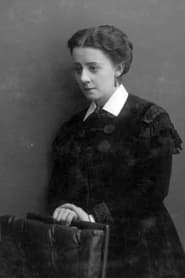
Vera Baranovskaya
Actor
Born: 1885 in Russian Empire Died: 1935 Active: 1926-1926 Birth Name: Vera Vasilyevna Baranovskaya
Films
2 films

About Vera Baranovskaya
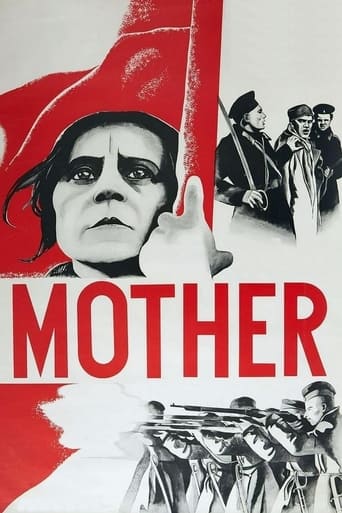
Soviet actress: career, though brief, on early Russian cinema. Born in the late 19th century, she emerged during the transformative period of Soviet silent film, working with some of the most innovative directors of the era. Her most celebrated performance came in Vsevolod Pudovkin's 1926 masterpiece 'Mother,' where she portrayed the titular character with remarkable emotional depth and naturalistic intensity. Baranovskaya's approach to acting represented a departure from the theatrical style common in early cinema, embracing a more subtle and psychologically nuanced performance that aligned with Soviet cinematic theories of the 1920s. Her work in 'Mother' demonstrated an extraordinary ability to convey complex emotions through minimal gestures and facial expressions, making her performance a study in silent film acting technique. Despite her limited filmography that appears to be concentrated primarily around 1926, her impact on Soviet cinema was significant, particularly in establishing a template for realistic character portrayal in revolutionary-themed films. Her career coincided with the golden age of Soviet silent cinema, and though her time in the spotlight was brief, her contribution to the development of realistic acting in Soviet film remains historically important.
The Craft
On Screen
Baranovskaya's acting style was remarkably naturalistic and psychologically nuanced for her era, representing a significant departure from the exaggerated theatrical gestures common in early silent cinema. She employed subtle facial expressions and minimal body movements to convey complex emotional states, embodying the Soviet cinematic ideal of psychological realism. Her performance in 'Mother' demonstrated a masterful ability to portray a character's transformation from apolitical mother to revolutionary sympathizer through gradual, believable emotional shifts. Baranovskaya's technique emphasized internal emotional truth over external demonstration, using her eyes and slight changes in posture to communicate her character's evolving consciousness. This approach aligned with Pudovkin's theory of typage and his emphasis on creating psychologically complex characters that could serve as vehicles for revolutionary ideology.
Milestones
- Starred in Vsevolod Pudovkin's revolutionary masterpiece 'Mother' (1926)
- Delivered
- Helped establish naturalistic acting techniques in Soviet film
- Worked during the golden age of Soviet avant-garde cinema
Best Known For
Iconic Roles
Must-See Films
Accolades
Special Recognition
- Recognized as one of the actresses of Soviet silent cinema
- Her performance in 'Mother' is frequently cited in film studies as exemplary of Soviet acting theory
Working Relationships
Worked Often With
Studios
Why They Matter
Impact on Culture
Vera Baranovskaya's performance in 'Mother' had a profound cultural impact on Soviet cinema and beyond, helping to establish a template for realistic character portrayal in politically-themed films. Her work exemplified the Soviet cinematic ideal of creating psychologically complex characters who could embody revolutionary transformation while remaining believable as human beings. The film itself became a cornerstone of Soviet cinema, frequently studied and referenced for its innovative narrative techniques and powerful emotional impact. Baranovskaya's portrayal of the mother character demonstrated how personal, intimate stories could serve broader political and ideological purposes without sacrificing emotional authenticity. Her performance contributed to the international recognition of Soviet cinema as an artistic force in the 1920s, with 'Mother' being celebrated both domestically and abroad as a masterpiece of the silent era.
Lasting Legacy
Vera Baranovskaya's legacy endures primarily through her landmark performance in 'Mother,' which continues to be studied by film scholars and cited as an exemplary work of Soviet silent cinema. Her naturalistic acting approach prefigured later developments in realistic film performance, influencing how actors would approach politically charged material in cinema. Though her filmography was limited, the quality and impact of her work in 'Mother' ensured her place in film history as one of the important actresses of the Soviet silent era. Her performance remains a touchstone for understanding how Soviet cinema attempted to reconcile artistic innovation with ideological requirements during the 1920s. Film historians and cinema scholars continue to reference her work when discussing the development of realistic acting techniques in silent film and the role of women in early Soviet cinema.
Who They Inspired
Baranovskaya's naturalistic acting style influenced subsequent generations of Soviet actors, particularly in how to portray political transformation through personal, emotional journey rather than didactic declaration. Her work demonstrated how subtle, psychologically nuanced performances could effectively serve revolutionary cinema without resorting to caricature or propaganda. The techniques she employed in 'Mother' - particularly her ability to show gradual character development through minimal gestures and facial expressions - became reference points for actors working in realist traditions. Her collaboration with Pudovkin helped establish a model of director-actor partnership that prioritized both artistic innovation and ideological clarity. Contemporary actors studying period performance often look to her work as an example of how to achieve emotional authenticity within the constraints of silent film technique.
Off Screen
Vera Baranovskaya lived during a tumultuous period in Russian history, experiencing the transition from the Russian Empire through the Revolution and into the early Soviet period. Her brief but impactful career coincided with the experimental and revolutionary fervor of 1920s Soviet cinema. Details about her personal life remain scarce in historical records, which was not uncommon for actors of her era, particularly those working in the early Soviet film industry. Her death in 1935 places her life within the period of Stalin's consolidation of power, though there's no specific information about how political changes may have affected her career or personal circumstances.
Education
Limited information available about her formal education, though she likely received theatrical training appropriate for actors working in the early Soviet film industry
Did You Know?
- Her entire known filmography appears to consist of work from the single year 1926
- 'Mother' was based on a novel by Maxim Gorky,
- The film was directed by Vsevolod Pudovkin, one of the major theorists of Soviet montage cinema
- Despite her brief career, her performance in 'Mother' is considered
- The film 'Mother' was part of a revolutionary trilogy by Pudovkin, alongside 'The End of St. Petersburg' and 'Storm Over Asia'
- Her performance exemplified the Soviet concept of 'typage' - creating characters who were both specific individuals and representative types
- The film was internationally acclaimed and helped establish Soviet cinema's reputation in the 1920s
- Her naturalistic style contrasted with the more theatrical acting common in many silent films of the period
- The character she played undergoes
- Her work coincided with what many consider the golden age of Soviet avant-garde cinema
In Their Own Words
While no direct quotes from Vera Baranovskaya are widely documented, her performance in 'Mother' speaks through its powerful visual storytelling and emotional authenticity
Frequently Asked Questions
Who was Vera Baranovskaya?
Soviet actress best known for her powerful performance in the 1926 silent film 'Mother,' directed by Vsevolod Pudovkin. Though her career was brief and concentrated primarily in 1926, her work exemplified the naturalistic acting style that characterized the golden age of Soviet silent cinema. Her portrayal of the titular character in 'Mother' remains.
What films is Vera Baranovskaya best known for?
Titles linked here include Mother (1926).
When was Vera Baranovskaya born and when did she die?
Born 1885; died 1935.
What awards did Vera Baranovskaya win?
There are no documented formal awards or nominations for Vera Baranovskaya from her era, as the award systems we recognize today were not yet established in early Soviet cinema. However, her performance in 'Mother' has been posthumously recognized by film historians and scholars as.
What was Vera Baranovskaya's acting style?
Vera Baranovskaya's acting style was notably naturalistic and psychologically nuanced for her time, representing a departure from the theatrical gestures common in early silent cinema. She employed subtle facial expressions and minimal movements to convey complex emotions, embodying the Soviet cinematic ideal of psychological realism. Her performance in 'Mother' demonstrated remarkable ability to show character transformation through gradual, believable emotional changes rather than overt dramatic gestures.