Films
4 films
About Fyodor Ivanov
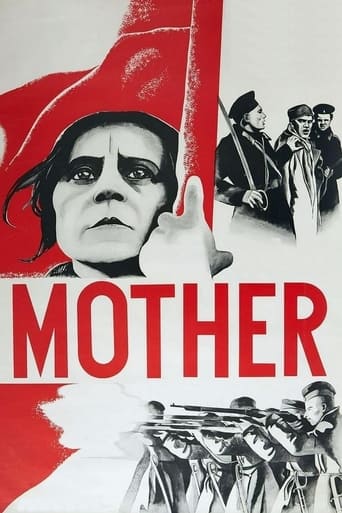
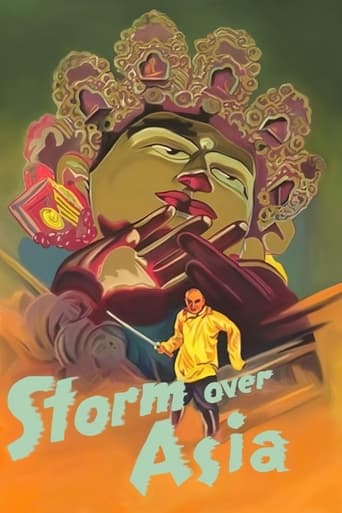
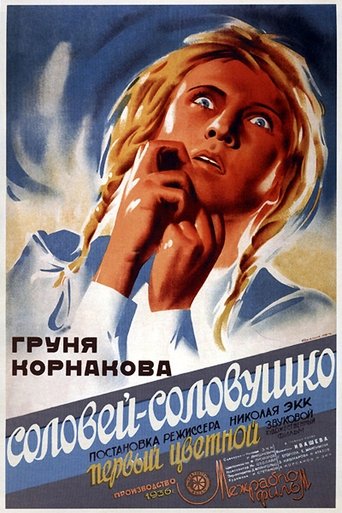
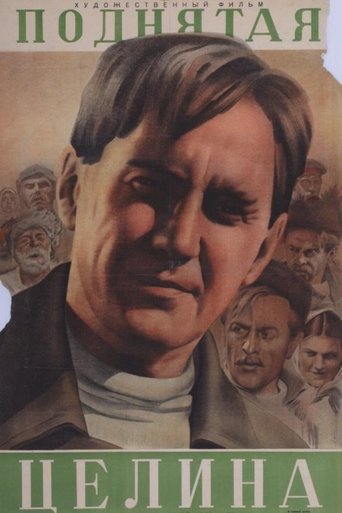
Soviet-era actor: screen work falls within the silent and early sound periods of Russian and Soviet cinema. The available film record identifies him in key productions such as Mother (1926), Storm Over Asia (1928), Nightingale (1936), and The New Land (1940), placing him within an important generation of performers who helped define the visual language of revolutionary and post-revolutionary Soviet film. Because surviving English-language biographical documentation on this exact performer is extremely limited, many personal details of his life remain difficult to verify from widely accessible sources. What is clear is that he worked Soviet cinema, when actors were expected to perform with strong physical expressiveness, political clarity, and a style adapted to both silent melodrama and the more naturalistic requirements of sound film. His credits suggest a career that bridged the transition from the late silent era into the early Stalin-period screen tradition. Ivanov is best remembered today as part of the ensemble talent behind historically significant films rather than as a standalone star figure. His name survives primarily through these landmark titles, which continue to be studied for their place in Soviet film history.
The Craft
On Screen
Ivanov’s acting style is not extensively documented in surviving public sources, but the films he appeared in strongly suggest a performance mode shaped by Soviet silent-era conventions: expressive but disciplined body language, clear emotional emphasis, and an ensemble-oriented approach rather than overt star mannerism. In the early sound era, actors in this tradition often shifted toward a more restrained and naturalistic delivery while still serving the ideological and narrative needs of the film. His credited roles indicate a professional screen presence suited to politically charged and historically themed productions.
Milestones
- Appeared in Mother (1926), one of the landmark films of early Soviet cinema associated with Vsevolod Pudovkin.
- Worked in Storm Over Asia (1928), a major silent-era Soviet production notable for its political and visual ambition.
- Continued acting into the sound era with Nightingale (1936), showing career longevity across major industrial changes in Soviet filmmaking.
- Appeared in The New Land (1940), extending his screen presence into the prewar Soviet period.
- Participated in films that are frequently cited in histories of revolutionary and early socialist realism cinema.
Best Known For
Iconic Roles
Must-See Films
Accolades
Won
Nominated
Special Recognition
Working Relationships
Worked Often With
Studios
Why They Matter
Impact on Culture
Fyodor Ivanov’s cultural significance lies less in celebrity status than in his participation in canonical Soviet cinema at a time when the medium was being used as a major cultural and political tool. By appearing in films such as Mother and Storm Over Asia, he contributed to works that helped establish the international reputation of Soviet film aesthetics, especially their emphasis on montage, collective struggle, and historical transformation. Performers like Ivanov were essential to the success of these productions because they gave human form to the ideological and emotional ideas being explored on screen. Even when not singled out as a star, his presence forms part of the historical fabric of Soviet cinematic modernism.
Lasting Legacy
Ivanov’s lasting legacy is tied to the endurance of the films in which he appeared. Mother and Storm Over Asia remain major reference points in world cinema history, and any performer involved in them benefits from their continued study and restoration. His career also reflects the broader experience of many Soviet actors whose contributions were vital but whose names were not always preserved in the same way as directors or marquee leads. As a result, his legacy is that of a reliable professional actor embedded in some of the most important ideological and artistic experiments of early Soviet film.
Who They Inspired
There is no clear evidence of Ivanov functioning as a major star-teacher or public mentor, but his work within foundational Soviet films would have participated in shaping performance norms for subsequent generations. The style of ensemble acting seen in these films influenced later Soviet screen performance by privileging emotional clarity, social type, and collective drama over individual vanity. In that sense, Ivanov’s contribution belongs to the broader influence of Soviet cinematic acting on world film language.
Off Screen
No reliably verifiable public biographical information about Fyodor Ivanov’s personal life, marriages, children, or family background was located in commonly accessible film references. For many Soviet supporting actors of the silent and early sound periods, especially those whose careers were recorded mainly through film credits, personal details were often not widely published or have not survived in English-language archival material. As a result, his private life remains obscure compared with the major directors and star performers of the era.
Education
No verified information on his education or formal acting training is readily available in accessible film history sources.
Family
Did You Know?
- Fyodor Ivanov is associated with some of the most historically important titles in Soviet film history.
- His screen career spans both the silent era and early sound cinema.
- He is not widely documented as a star, which makes his surviving film credits especially important for identification.
- Mother (1926) and Storm Over Asia (1928) are frequently studied in film schools and cinema history courses.
- His known filmography suggests work during a period when Soviet cinema was becoming internationally influential.
- The limited surviving biographical record is typical of many supporting performers from early Soviet productions.
- His credited appearance in The New Land (1940) shows continued work into the prewar period.
In Their Own Words
Frequently Asked Questions
Who was Fyodor Ivanov?
Soviet with credits in this catalog. He is remembered primarily as part of the ensemble talent behind major Soviet screen works rather than as a widely documented star.
What films is Fyodor Ivanov best known for?
Titles linked here include Mother (1926), Storm Over Asia (1928).
When was Fyodor Ivanov born and when did he die?
His birth and death dates are not readily verifiable in widely accessible film references for this exact individual. The available record confirms only his active film years, roughly 1926 to 1940.
What awards did Fyodor Ivanov win?
No awards or nominations are reliably documented in the accessible record for Fyodor Ivanov. Many supporting actors of his era, especially in early Soviet cinema, were not publicly recorded in award databases.
What was Fyodor Ivanov's acting style?
His acting style is best understood through the tradition of Soviet silent and early sound performance: expressive, restrained, and ensemble-focused. He likely worked in a style that emphasized emotional clarity and the political or dramatic function of a scene rather than overt star display.
What is Fyodor Ivanov's legacy in film history?
His legacy comes from his participation in landmark Soviet films that remain central to world cinema history. Even though his personal biography is obscure, his credits connect him directly to some of the era’s most important cinematic achievements.