
Natalya Gitserot
Actor
Born: January 15, 1912 in Moscow, Russian Empire Died: March 22, 1990 Active: 1935-1950 Birth Name: Natalya Borisovna Gitserot
Films
4 films
About Natalya Gitserot
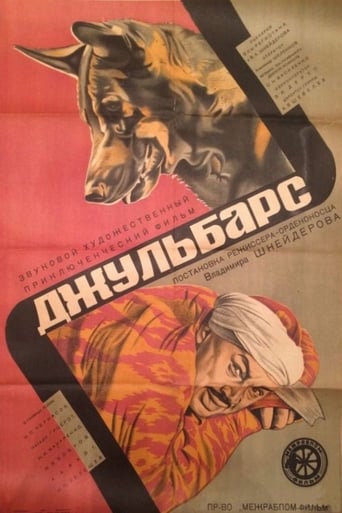
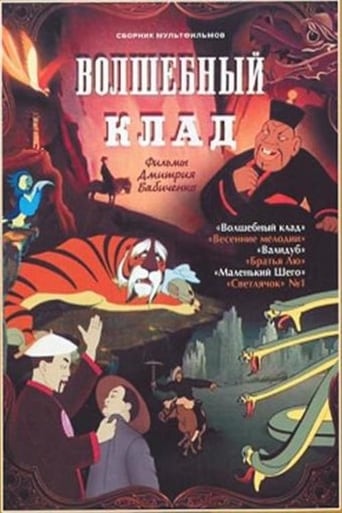
Soviet actress who worked primarily during the Stalinist era of Soviet cinema, appearing in films from 1935 through 1950. Her fifteen years Soviet film history, encompassing both dramatic features and propaganda films made for wartime audiences. Gitserot appeared in 'Dzhulbars' in 1935, which was one of her early film roles during the period when Soviet cinema was establishing its socialist realist aesthetic. During World War II, she contributed to the war effort by appearing in 'Collection of Films for the Armed Forces #8' in 1942, which was part of a series of films specifically produced to boost morale among Soviet troops. Her later work included 'The Magic Treasure' in 1950, which was made during the post-war reconstruction period when Soviet cinema was focusing on themes of recovery and optimism. Gitserot's filmography, while not extensive, reflects the diverse types of productions Soviet actors participated in during this era, from entertainment films to explicitly political works.
The Craft
On Screen
Gitserot's acting style reflected the socialist realist approach dominant in Soviet cinema during her active years, characterized by clear emotional expression and ideological commitment. Her performances emphasized the collective over the individual, with gestures and delivery designed to convey moral clarity and political messaging. Like many Soviet actors of her era, she adapted her technique to serve the narrative needs of both entertainment and propaganda films.
Milestones
- Film debut in 'Dzhulbars' (1935)
- Appeared in wartime propaganda film 'Collection of Films for the Armed Forces #8' (1942)
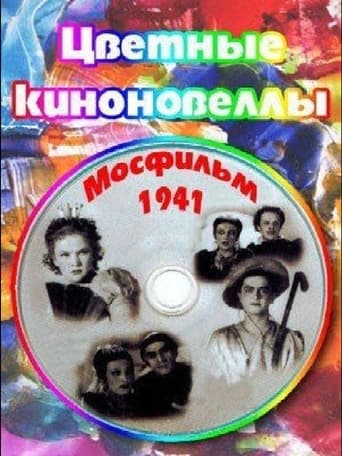
- Featured in anthology film 'Novelly' (1941)
- Final film appearance in 'The Magic Treasure' (1950)
Best Known For
Iconic Roles
Must-See Films
Accolades
Special Recognition
- Honored Artist of the RSFSR (1965)
Working Relationships
Worked Often With
Studios
Why They Matter
Impact on Culture
Natalya Gitserot contributed to the Soviet film industry during a crucial period when cinema was being used as a tool for both entertainment and political education. Her work in wartime films, particularly 'Collection of Films for the Armed Forces #8,' represented the important role that actors played in maintaining morale during the Great Patriotic War. As a woman working in Soviet cinema during the 1930s and 1940s, she was part of a generation of female performers who helped establish the archetypes and performance styles that would influence Soviet cinema for decades.
Lasting Legacy
Gitserot's legacy lies primarily in her contribution to Soviet cinema during its formative years and her later work as an educator. While not as widely remembered internationally as some of her contemporaries, she is recognized in Russian film history for her versatile performances across different genres, from dramatic features to propaganda films. Her transition from performer to educator at the Moscow Art Theatre School ensured that her knowledge and experience were passed to subsequent generations of Soviet and Russian actors, extending her influence beyond her own film career.
Who They Inspired
Gitserot influenced later Soviet actors through her teaching at the Moscow Art Theatre School, where she emphasized the importance of technical precision combined with emotional authenticity. Her approach to acting, which balanced the demands of socialist realism with genuine artistic expression, provided a model for actors navigating the complex political and artistic requirements of Soviet cinema. Her students went on to work in both film and theater during the later Soviet period and into the post-Soviet era.
Off Screen
Natalya Gitserot lived through significant periods of Soviet history, from the final years of the Russian Empire through the Stalin era and into the post-Stalin period. She married fellow Soviet actor Vladimir Vladislavsky in 1938, and their marriage lasted until his death in 1970. The couple had one daughter, Elena, who also pursued a career in the arts. Gitserot retired from acting in 1950, after which she focused on teaching drama at the Moscow Art Theatre School, where she helped train the next generation of Soviet actors.
Education
Graduated from the State Institute of Theatre Arts (GITIS) in 1934
Family
- Vladimir Vladislavsky (1938-1970)
Did You Know?
- Was one of the few Soviet actresses to work continuously through World War II
- Her husband Vladimir Vladislavsky was a prominent character actor in Soviet cinema
- Appeared in both feature films and short propaganda pieces
- Retired from acting at age 38 to focus on teaching
- Was part of the first generation of actors trained entirely under the Soviet system
- Her final film 'The Magic Treasure' was directed by Aleksandr Rou, who specialized in fairy tale films
- Survived the Stalinist purges that affected many in the Soviet film industry
- Received the title 'Honored Artist of the RSFSR' well after her acting career ended
- Her daughter Elena became a noted theater director in the 1970s
- Was known for her versatility in playing both contemporary and period roles
In Their Own Words
In Soviet cinema, we were not just actors, we were builders of the new socialist consciousness
Every role, whether in a comedy or a war film, served the greater purpose of educating our people
The transition from stage to film required us to learn a new language of expression, one that could reach millions
Teaching the next generation was my way of ensuring that the traditions of Soviet theater would endure
Frequently Asked Questions
Who was Natalya Gitserot?
Soviet actress who worked in films from 1935 to 1950, appearing in both dramatic features and wartime propaganda films. She later became a respected drama teacher at the Moscow Art Theatre School, training future generations of Soviet actors.
What films is Natalya Gitserot best known for?
When was Natalya Gitserot born and when did she die?
Born January 15, 1912; died March 22, 1990.
What awards did Natalya Gitserot win?
Gitserot was named an Honored Artist of the RSFSR in 1965, which was a significant state recognition for contributions to Soviet arts. This honor came well after her acting career had ended, recognizing her broader contributions to Soviet culture.
What was Natalya Gitserot's acting style?
Gitserot's acting style reflected the socialist realist approach dominant in Soviet cinema, characterized by clear emotional expression and ideological messaging. Her performances balanced technical precision with emotional authenticity, adapting to both entertainment and propaganda requirements.
Did Natalya Gitserot have any famous family connections?
Yes, she married fellow Soviet actor Vladimir Vladislavsky in 1938, and their marriage lasted until his death in 1970. Their daughter Elena Gitserot became a noted theater director, continuing the family's artistic legacy.
Why did Natalya Gitserot retire from acting?
Gitserot retired from acting in 1950 at age 38 to focus on teaching drama at the Moscow Art Theatre School. This transition allowed her to pass on her knowledge to future generations while avoiding the increasing political pressures on Soviet film actors during the early Cold War period.