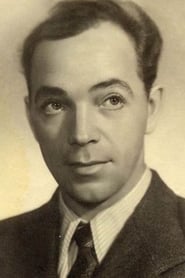
Pyotr Aleynikov
Actor
Born: October 24, 1914 in Klintsy, Chernigov Governorate, Russian Empire (now Bryansk Oblast, Russia) Died: May 9, 1946 Active: 1936-1946 Birth Name: Pyotr Martynovich Aleynikov
Films
12 films


About Pyotr Aleynikov
prominent Soviet actor who rose to fame during the Stalinist era of Soviet cinema — known for his charismatic performances in socialist realist films. Born in 1914, he began his acting career in the mid-1930s and quickly became recognizable faces of Soviet cinema through his roles in films like 'The Brave Seven' and 'Tractor Drivers'. Aleynikov specialized in portraying optimistic, energetic young characters who embodied the ideals of Soviet youth and the building of socialism. His career was cut tragically short when he died at the young age of 32 in 1946, but during his brief decade-long career, he appeared in over 20 films and became a beloved figure among Soviet audiences. His performances in 'Komsomolsk' and 'A Great Life' cemented his status as one of the leading actors of his generation. Aleynikov's acting style combined natural charm with ideological commitment, making him perfectly suited for the heroic roles demanded by socialist realist cinema. Despite his short career, he on Soviet film history as popular actors of the late 1930s and early 1940s.
The Craft
On Screen
Aleynikov was known for his natural, energetic acting style that perfectly embodied the optimistic Soviet youth archetype. He brought a genuine warmth and sincerity to his roles, avoiding the wooden artificiality that sometimes plagued socialist realist performances. His screen presence was characterized by a boyish charm, infectious enthusiasm, and an ability to convey both determination and vulnerability. Aleynikov specialized in playing enthusiastic Komsomol members, dedicated workers, and heroic young Soviet citizens who were building the new socialist society. His performances were marked by subtle comedic timing and an ability to make ideological characters feel genuinely human and relatable.
Milestones
- Breakthrough role in 'The Brave Seven' (1936)
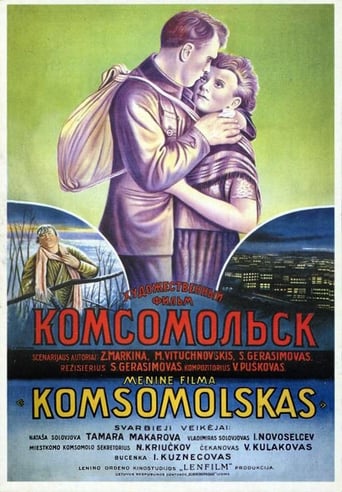
- Starring role in 'Komsomolsk' (1938) which became a major Soviet hit
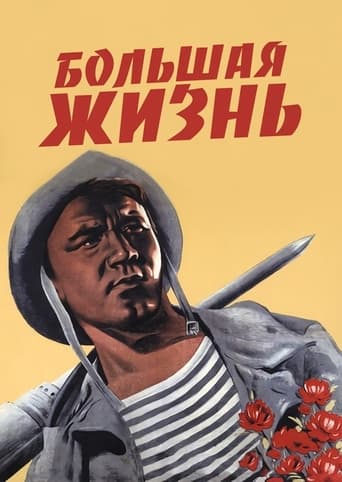
- Acclaimed performance in 'A Great Life' (1939)
- Lead role in 'Tractor Drivers' (1939),
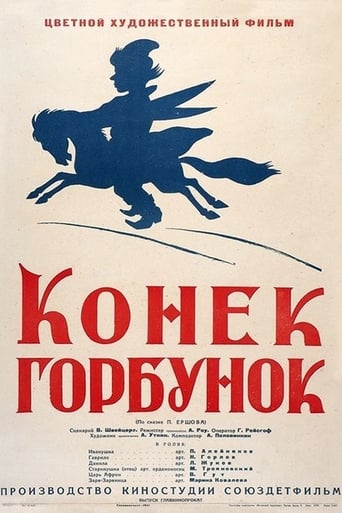
- Voice and live-action role in 'The Humpbacked Horse' (1941), a classic Soviet animated film
- Received Stalin Prize for his contributions to Soviet cinema
Best Known For
Iconic Roles
Must-See Films
Accolades
Won
- Stalin Prize, Second Class (1941) - for his role in 'Tractor Drivers'
- Order of the Badge of Honour (1938)
- Honored Artist of the RSFSR (1944)
Nominated
- Stalin Prize nomination for 'A Great Life' (1939)
Special Recognition
- Honored Artist of the RSFSR (1944)
- Multiple commemorative stamps issued in his honor
- Streets named after him in several Russian cities
- Annual film festival in Klintsy named in his memory
Working Relationships
Worked Often With
Studios
Why They Matter
Impact on Culture
Pyotr Aleynikov became an iconic figure in Soviet popular culture during the late 1930s and early 1940s, representing the ideal Soviet youth in cinema. His films were instrumental in promoting socialist realist ideology to mass audiences, making complex political ideas accessible through his charismatic performances. Aleynikov's characters embodied the optimism and dedication that the Soviet state wanted to promote among its citizens, particularly the younger generation. His films were shown extensively throughout the Soviet Union and were used as educational tools in schools and youth organizations. The actor's premature death at the height of his career created a lasting myth around his persona, cementing his status as a tragic hero of Soviet cinema. His influence extended beyond film into Soviet popular culture, with his image appearing on posters, magazines, and commemorative items.
Lasting Legacy
Pyotr Aleynikov's legacy endures as. He is remembered for bringing warmth and humanity to the often rigid requirements of socialist realist cinema, creating characters that audiences genuinely loved and identified with. His films, particularly 'Tractor Drivers' and 'Komsomolsk', remain classics of Soviet cinema and are still studied by film scholars today. Aleynikov's acting style influenced subsequent generations of Soviet actors who sought to balance ideological requirements with authentic performance. The annual Pyotr Aleynikov Film Festival in his hometown continues to celebrate his contributions to cinema. His work represents an important chapter in the history of Soviet cultural production during one of its most significant periods.
Who They Inspired
Aleynikov influenced Soviet cinema by demonstrating how ideological content could be delivered through charismatic, relatable performances rather than didactic preaching. His naturalistic approach to playing heroic characters became a model for other Soviet actors working within the constraints of socialist realism. Directors like Ivan Pyryev and Sergei Gerasimov built successful collaborations around his unique screen presence. Younger actors who emerged in the late 1940s and 1950s often cited Aleynikov as an inspiration for balancing technical skill with genuine emotion. His ability to make political messages feel personal and heartfelt influenced how Soviet cinema approached propaganda in subsequent decades.
Off Screen
Pyotr Aleynikov married actress Valentina Telegina in 1939, and their marriage was considered. They often appeared together in films and were beloved by Soviet audiences as a real-life couple. Aleynikov was known for his modesty and dedication to his craft, despite his rising fame. He lived a relatively simple life in Moscow and was actively involved in the Soviet actors' union. His death at age 32 was a shock to the Soviet film community and audiences alike. He was buried at the Novodevichy Cemetery in Moscow, an honor reserved for the most Soviet citizens.
Education
Graduated from the State Institute of Cinematography (VGIK) in 1936, studied under renowned Soviet acting teacher Sergei Eisenhammer
Family
- Valentina Telegina (1939-1946)
Did You Know?
- He was only 32 years old when he died, cutting short what could have been a much longer career
- His real name was Pyotr Martynovich Aleynikov, but he was known professionally simply as Pyotr Aleynikov
- He appeared in over 20 films in just 10 years, an impressive filmography for such a short career
- His film 'Tractor Drivers' was one of the highest-grossing Soviet films of the 1930s
- He was a favorite of Soviet leader Joseph Stalin, who personally praised his performances
- Despite his fame, he remained humble and often traveled to collective farms to perform for workers
- His wife Valentina Telegina was also a famous actress, and they were considered Soviet cinema's golden couple
- He was one of the first Soviet actors to successfully transition between dramatic and comedic roles
- His death was officially attributed to heart failure, though some sources suggest complications from wartime service
- A bronze statue of him was erected in his hometown of Klintsy in 1970
- His films were regularly re-released in Soviet cinemas for decades after his death
In Their Own Words
Acting is not about playing a role, it's about becoming the person the Soviet people need to see on screen.
Every film I make is a contribution to building our socialist future.
The greatest reward for an actor is not applause, but knowing you've helped shape the consciousness of your people.
When I play a Komsomol member, I don't act - I remember why I believe in our cause.
Cinema is the most powerful weapon we have for educating and inspiring the masses.
Frequently Asked Questions
Who was Pyotr Aleynikov?
Prominent Soviet with credits in this catalog. He became.
What films is Pyotr Aleynikov best known for?
Titles linked here include The Brave Seven (1936), Komsomolsk (1938).
When was Pyotr Aleynikov born and when did he die?
Born October 24, 1914; died May 9, 1946.
What awards did Pyotr Aleynikov win?
Aleynikov received the Stalin Prize, Second Class in 1941 for his role in 'Tractor Drivers', the Order of the Badge of Honour in 1938, and was named Honored Artist of the RSFSR in 1944. These were among the highest cultural honors in the Soviet Union.
What was Pyotr Aleynikov's acting style?
Aleynikov's acting style was characterized by natural warmth, infectious enthusiasm, and genuine sincerity that made his ideological characters feel human and relatable. He specialized in playing optimistic Soviet youth with boyish charm and subtle comedic timing.
How did Pyotr Aleynikov impact Soviet cinema?
Aleynikov became an icon of Soviet popular culture, representing the ideal Soviet citizen on screen. His films helped promote socialist ideology to mass audiences while demonstrating how political messages could be delivered through charismatic, relatable performances rather than didactic preaching.
Was Pyotr Aleynikov married?
Yes, Aleynikov married actress Valentina Telegina in 1939. They were considered one of Soviet cinema's most beloved couples, often appearing together in films and admired by audiences both on and off screen.