Ekaterina Savinova
Actor
Born: December 25, 1926 in Ozyornoye, Voronezh Oblast, RSFSR, Soviet Union Died: April 25, 1970 Active: 1950-1963 Birth Name: Ekaterina Fyodorovna Savinova
Films
1 film
About Ekaterina Savinova
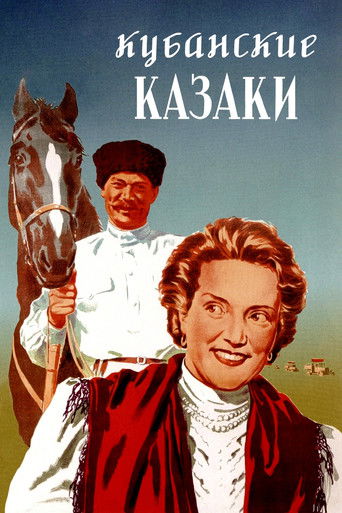
Celebrated Soviet actress: career, though tragically brief, on Russian cinema. Born into a peasant family in rural Voronezh Oblast, she discovered her passion for performance early and graduated from the prestigious Gerasimov Institute of Cinematography (VGIK) in 1950. Her breakout role came in Ivan Pyryev's musical comedy 'Cossacks of the Kuban' (1950), where she showcased her remarkable comedic timing and natural charm. Throughout the 1950s and early 1960s, she became one of Soviet cinema's most beloved character actresses, known for portraying ordinary women with extraordinary warmth and authenticity. Her most acclaimed performance came in 'Come Tomorrow, Please..' (1963), where she played a naive but determined young woman seeking education, a role that earned her widespread critical praise. Despite her rising fame, Savinova struggled with personal demons and her career was cut short by her untimely death at age 43. Her legacy endures through her memorable performances that captured the essence of Soviet womanhood during the post-war era.
The Craft
On Screen
Naturalistic and deeply authentic, Savinova specialized in portraying ordinary Soviet women with remarkable warmth and humor. Her performances were characterized by a childlike innocence combined with inner strength, creating characters that were both relatable and inspiring. She had a unique ability to find comedy in everyday situations while maintaining emotional depth, making her particularly effective in dramatic comedies. Her physical comedy skills were complemented by her expressive eyes and genuine smile, which became her trademarks.
Milestones
- Graduated from VGIK in 1950
- Starred in 'Cossacks of the Kuban' (1950)
- Received critical acclaim for 'Come Tomorrow, Please.' (1963)
- Became one of Soviet cinema's most beloved character actresses
- Worked with prominent Soviet directors including Ivan Pyryev
Best Known For
Iconic Roles
Must-See Films
Accolades
Won
- Honored Artist of the RSFSR (1965)
Nominated
- State Prize of the RSFSR nomination for 'Come Tomorrow, Please.' (1963)
Special Recognition
- VGIK graduate recognition
- Posthumous film retrospectives in Russian cinema
Working Relationships
Worked Often With
Studios
Why They Matter
Impact on Culture
Ekaterina Savinova became a cultural icon in Soviet cinema, representing the ideal of the simple, honest Soviet woman. Her portrayal of Frosya in 'Come Tomorrow, Please.' resonated deeply with audiences and became a touchstone for discussions about education and social mobility in the USSR. She helped establish a new naturalistic style of acting in Soviet cinema that moved away from the more theatrical performances of earlier decades. Her characters embodied the optimism and resilience of post-war Soviet society, making her a beloved figure during the Khrushchev Thaw period.
Lasting Legacy
Savinova's legacy endures through her memorable film performances that continue to be celebrated in Russian cinema retrospectives. Her naturalistic acting style influenced subsequent generations of Soviet and Russian actresses, particularly in comedic and dramatic roles. 'Come Tomorrow, Please.' remains a classic of Soviet cinema, regularly screened in film festivals and studied in film schools. Her tragic life story has also become part of Soviet cinema lore, serving as a cautionary tale about the pressures of fame in the Soviet system.
Who They Inspired
Savinova's approach to character acting, blending comedy with genuine emotion, influenced actresses like Nonna Mordyukova and Svetlana Svetlichnaya. Her success in portraying working-class women authentically opened doors for more realistic representations of Soviet life in cinema. Directors later cited her work as inspiration for creating complex female characters that were both relatable and aspirational. Her films continue to be studied for their contribution to Soviet comedy and social commentary.
Off Screen
Savinova's personal life was marked by both professional success and personal struggles. She married fellow actor and director Vladimir Etush, though their marriage ended in divorce. Later she married director Yuri Yegorov, with whom she had one son. Despite her professional achievements, she battled with depression and alcoholism, which ultimately contributed to her early death. Her final years were marked by declining health and fewer acting opportunities, though she remained a beloved figure among Soviet film enthusiasts.
Education
Graduated from Gerasimov Institute of Cinematography (VGIK) in 1950, studied under prominent Soviet acting teachers including Boris Zakhava
Family
- Vladimir Etush (1950s)
- Yuri Yegorov (1960s-1970)
Did You Know?
- Was discovered while working as a telephone operator before entering VGIK
- Her role in 'Come Tomorrow, Please.' was originally written for another actress
- She was known for her improvisational skills on set
- Despite her success, she remained humble and often gave interviews about her rural upbringing
- Her death at age 43 shocked the Soviet film community
- She was a favorite of Soviet Premier Nikita Khrushchev
- Her performance in 'Come Tomorrow, Please.' was voted one of the top 100 Russian film performances of all time
- She often performed her own songs in musical films
- Her son Dmitry also briefly worked in the film industry
- A documentary about her life was produced in 1996
In Their Own Words
I don't play characters, I live them - even if only for a moment on screen
Every woman has a story worth telling, I just try to find it
Comedy is not about making faces, it's about finding the truth in absurdity
The camera doesn't lie, so you must be honest in every moment
Frequently Asked Questions
Who was Ekaterina Savinova?
Beloved Soviet actress active from 1950 to 1963, known for her naturalistic portrayals of ordinary Soviet women. She graduated from VGIK and gained fame through films like 'Cossacks of the Kuban' and 'Come Tomorrow, Please.', becoming one of Soviet cinema's most cherished character actresses before her tragic early death at age 43.
What films is Ekaterina Savinova best known for?
Titles linked here include Come Tomorrow, Please.' (1963), Cossacks of the Kuban (1950).
When was Ekaterina Savinova born and when did she die?
Born December 25, 1926; died April 25, 1970.
What awards did Ekaterina Savinova win?
Savinova was named Honored Artist of the RSFSR in 1965, one of the Soviet Union's highest cultural honors. She also received a State Prize of the RSFSR nomination for her acclaimed performance in 'Come Tomorrow, Please.' (1963), though her career was cut short before she could receive additional recognition.
What was Ekaterina Savinova's acting style?
Savinova was known for her naturalistic, deeply authentic acting style that brought warmth and humor to ordinary Soviet women characters. She specialized in blending comedy with genuine emotion, using her expressive features and childlike innocence to create relatable, inspiring characters that resonated with Soviet audiences during the post-war era.