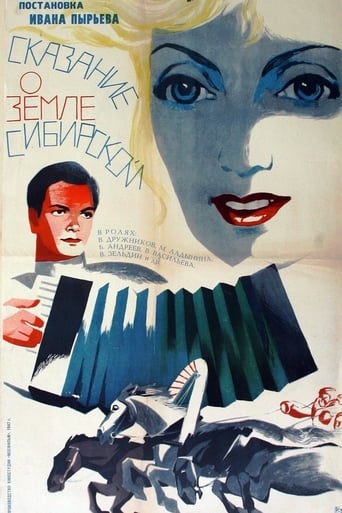
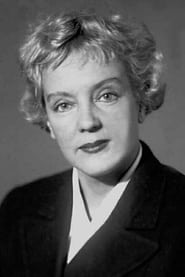
Marina Ladynina
Actor
Born: June 24, 1908 in Skotinino, Smolensk Governorate, Russian Empire Died: March 3, 2003 Active: 1934-1975 Birth Name: Marina Alekseyevna Ladynina
Films
7 films


About Marina Ladynina
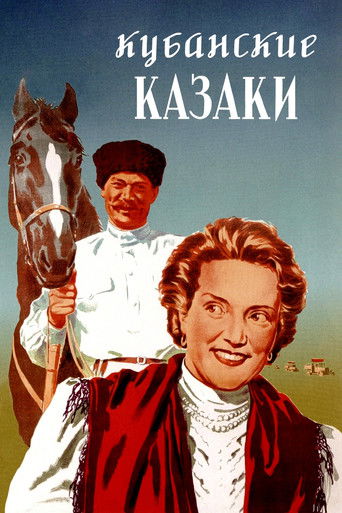
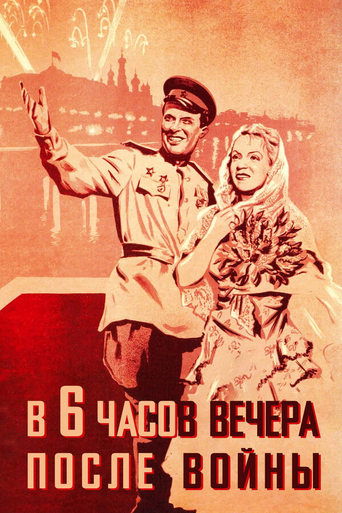
Marina Ladynina was and beloved actresses of Soviet cinema, particularly renowned for her roles in musical comedies during the Stalin era. Born in a small village in 1908, she overcame humble beginnings to graduate from the prestigious State Institute of Cinematography (VGIK) in 1933. Her breakthrough came with her role in 'The Rich Bride' (1937), but it was her collaboration with director Ivan Pyryev that catapulted her to stardom, beginning with 'Tractor Drivers' (1939). Throughout the 1940s, she became the quintessential Soviet heroine, embodying the ideal of the strong, optimistic, and industrious Soviet woman in films like 'Six O'Clock in the Evening After the War' (1944) and 'The Kuban Cossacks' (1949). Her marriage to Pyryev in 1941 created one of Soviet cinema's most powerful creative partnerships, resulting in multiple award-winning films that defined the genre of Soviet musical comedy. Despite facing political scrutiny during the post-Stalin era, she maintained her status as a cultural icon and was named People's Artist of the USSR in 1950. After Pyryev's death in 1968, her career gradually slowed, though she continued to appear in films and teach acting until her retirement in the 1970s.
The Craft
On Screen
Ladynina's acting style was characterized by her natural warmth, infectious optimism, and remarkable ability to embody the Soviet ideal of the 'new woman.' She possessed a distinctive screen presence that combined genuine emotional depth with the required elements of socialist realism, making her characters both relatable and aspirational. Her performances often featured a perfect blend of comedy and drama, with exceptional timing in musical sequences and a talent for portraying strong, independent women who were nonetheless feminine and charming. Unlike many of her contemporaries, she avoided overt theatricality in favor of a more naturalistic approach that made her characters feel authentic and accessible to Soviet audiences.
Milestones
- Graduated from VGIK (State Institute of Cinematography) in 1933
- Breakthrough role in 'The Rich Bride' (1937)
- Married director Ivan Pyryev in 1941, beginning their legendary collaboration
- Received four Stalin Prizes for her film performances
- Named People's Artist of the USSR in 1950
- Starred in seven films with director Ivan Pyryev
- Became the highest-paid actress in the Soviet Union during the 1940s
Best Known For
Iconic Roles
Must-See Films
Accolades
Won
- Stalin Prize (First Class) for 'Tractor Drivers' (1941)
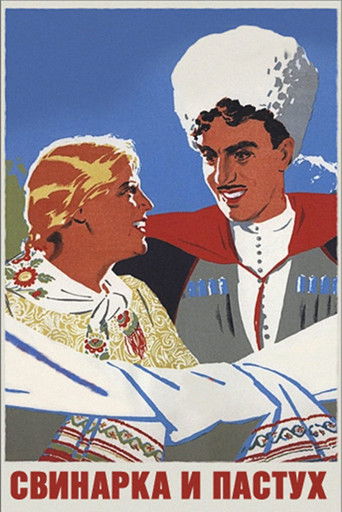
- Stalin Prize (First Class) for 'The Swineherd and the Shepherd' (1942)
- Stalin Prize (First Class) for 'Six O'Clock in the Evening After the War' (1946)
- Stalin Prize (First Class) for 'The Kuban Cossacks' (1951)
- Order of Lenin (1938)
- Order of the Red Banner of Labour (1948)
- Order of the October Revolution (1978)
- Order 'For Merit to the Fatherland' 3rd class (1998)
Special Recognition
- People's Artist of the USSR (1950)
- Honored Artist of the RSFSR (1942)
- Vasilyev Brothers State Prize of the RSFSR (1966)
- Star on the Avenue of Stars in Moscow
Working Relationships
Worked Often With
Studios
Why They Matter
Impact on Culture
Marina Ladynina became a cultural phenomenon in the Soviet Union, representing the ideal Soviet woman during a crucial period of Soviet history. Her films were not merely entertainment but served as powerful tools of Soviet ideology, showcasing the supposed happiness and prosperity of collective farm life and industrial progress. During World War II, her films provided crucial morale-boosting entertainment for both soldiers and civilians, with 'Six O'Clock in the Evening After the War' becoming particularly significant as a symbol of hope for post-war reconstruction. Her image appeared on posters, magazines, and was widely recognized throughout the USSR, making her. The characters she portrayed influenced generations of Soviet women, presenting models of strength, independence, and dedication to collective ideals.
Lasting Legacy
Marina Ladynina's legacy endures as one of the defining figures of Soviet cinema's golden age. Her films continue to be studied and appreciated for their artistic merit and historical significance, representing a unique blend of entertainment and ideological messaging. She established a template for the Soviet musical comedy that influenced countless filmmakers and performers who followed. Her work remains an important window into Soviet culture and values during the Stalin and post-Stalin eras, with her films regularly featured in retrospectives of classic Soviet cinema. The Marina Ladynina Museum was established in her native village to preserve her memory, and her films continue to be broadcast on Russian television, introducing new generations to her work. Her influence extends beyond cinema to the broader cultural landscape of the Soviet Union, where she remains a symbol of an entire era of artistic achievement.
Who They Inspired
Ladynina's naturalistic acting style and ability to blend comedy with genuine emotion influenced subsequent generations of Soviet and Russian actresses. Her success in musical comedies helped establish the genre as a legitimate and respected form of cinematic art in the Soviet Union. Many actresses who followed, including Lyudmila Gurchenko and Svetlana Svetlichnaya, drew inspiration from Ladynina's ability to create characters that were both ideologically correct and emotionally authentic. Her collaboration with Pyryev set a standard for director-actor partnerships in Soviet cinema, demonstrating how personal and professional relationships could enhance artistic output. Even today, acting schools in Russia study her performances as examples of how to work within ideological constraints while maintaining artistic integrity and emotional truth.
Off Screen
Marina Ladynina's personal life was deeply intertwined with her professional career, particularly through her marriage to director Ivan Pyryev. Their relationship was both romantic and professional, creating one of Soviet cinema's most successful creative partnerships. After Pyryev's death in 1968, Ladynina largely withdrew from public life, though she continued teaching at the Gerasimov Institute of Cinematography. She never remarried and devoted her later years to mentoring young actors and preserving the legacy of Soviet cinema. Despite her enormous fame, she was known for her humility and maintained close relationships with her colleagues and students throughout her life.
Education
Graduated from the State Institute of Cinematography (VGIK) in 1933, studied under renowned acting teacher Boris Zakhava
Family
- Ivan Pyryev (1941-1968, his death)
Did You Know?
- Was the highest-paid actress in the Soviet Union during the 1940s
- Stalin personally approved her casting in several films
- Her films were among the few Soviet productions to achieve international recognition during the 1940s
- During World War II, she performed for frontline soldiers alongside her film work
- Her character in 'Tractor Drivers' inspired many Soviet women to become tractor drivers
- She was known for her professionalism and never required multiple takes for her scenes
- Despite her fame, she lived modestly and avoided the privileges available to elite Soviet artists
- Her films were temporarily banned during Khrushchev's Thaw for being too 'Stalinist'
- She spoke several languages fluently, including English and French
- Turned down offers to work in Hollywood during the 1940s to remain in the Soviet Union
- Her wedding to Ivan Pyryev was attended by many Soviet cultural elite and government officials
In Their Own Words
The actor must serve the people, not their own ego. This is the principle I have always lived by.
When I play a character, I try to find the truth in their heart, even if the story around them is constructed.
Cinema is not just entertainment; it is the mirror of our society and the teacher of our values.
My greatest reward was never the awards or the money, but the letters from ordinary people who said my films gave them hope.
Frequently Asked Questions
Who was Marina Ladynina?
Marina Ladynina was. She was the wife of director Ivan Pyryev and starred in many of his most successful films, becoming a cultural icon who represented the ideal Soviet woman of her era.
What films is Marina Ladynina best known for?
Titles linked here include Tractor Drivers (1939), The Beloved (1940).
When was Marina Ladynina born and when did she die?
Born June 24, 1908; died March 3, 2003.
What awards did Marina Ladynina win?
Ladynina won four Stalin Prizes for her film performances, was named People's Artist of the USSR in 1950, and received multiple state honors including the Order of Lenin and Order of the Red Banner of Labour. She was.
What was Marina Ladynina's acting style?
Ladynina's acting style was characterized by natural warmth, infectious optimism, and a blend of comedy with genuine emotion. She specialized in portraying strong, independent Soviet women while maintaining femininity and charm, using a naturalistic approach that made her characters feel authentic and relatable to Soviet audiences.
How did Marina Ladynina influence Soviet cinema?
Ladynina established the template for the Soviet musical comedy genre and became a cultural symbol of the ideal Soviet woman. Her films served as both entertainment and ideological tools, influencing generations of actresses and helping legitimize musical comedy as a respected cinematic form in the Soviet Union.
Was Marina Ladynina married?
Yes, Marina Ladynina was married to director Ivan Pyryev from 1941 until his death in 1968. Their marriage created one of Soviet cinema's most successful creative partnerships, resulting in seven award-winning films that defined the genre of Soviet musical comedy.