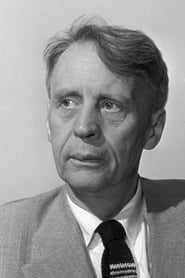
Ivan Pyryev
Actor & Director
Born: November 17, 1901 in Kamen-na-Obi, Tomsk Governorate, Russian Empire Died: February 7, 1968 Active: 1923-1968 Birth Name: Ivan Alexandrovich Pyryev
Films
9 films


About Ivan Pyryev
Ivan Alexandrovich Pyryev was prominent and successful Soviet film directors of the Stalin era, renowned for his musical comedies and socialist realist dramas. He began his career as an actor in the early 1920s, appearing in Sergei Eisenstein's early works before transitioning to directing in the early 1930s. Pyryev quickly established himself excelled in the Soviet musical comedy genre, creating films that celebrated collective farming, industrialization, and Soviet values while incorporating popular songs and dance numbers. His collaborations with actress Marina Ladynina, whom he later married, produced some of the most beloved Soviet films of the 1930s and 1940s. During World War II, he continued making patriotic films that boosted morale on the home front. After the war, he served as head of the Mosfilm studio from 1954 to 1957, where he mentored a new generation of Soviet filmmakers. Pyryev's nearly four decades, during which he received numerous state honors and became decorated filmmakers in Soviet history. His films were not only popular domestically but also represented Soviet cinema at international festivals, showcasing the achievements of socialist realist art to global audiences.
The Craft
On Screen
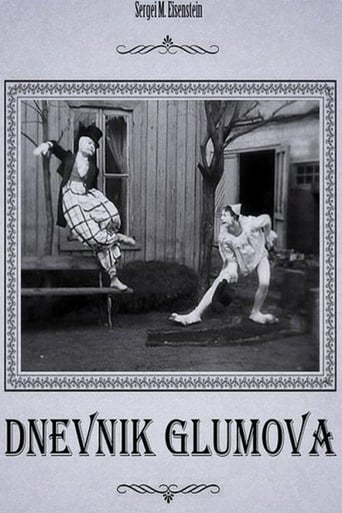
Pyryev's acting career was relatively brief, primarily appearing in silent films of the early 1920s. His style was characteristic of the Soviet avant-garde theater and cinema of that period, emphasizing expressionist techniques and physical performance. He appeared mainly in supporting roles, with his most notable being in 'Glumov's Diary' (1923), an experimental film by Sergei Eisenstein. His acting experience provided him with valuable insight into performance that would later inform his directorial work.
Behind the Camera
Pyryev developed a distinctive style that blended socialist realist themes with popular entertainment elements. His films were characterized by their optimistic tone, elaborate musical sequences, and celebration of Soviet achievements. He was known for his meticulous attention to visual composition, often using wide shots to showcase collective labor and industrial progress. Pyryev's musical comedies featured catchy songs that became popular hits across the Soviet Union, and he skillfully integrated musical numbers into narrative structures that promoted Soviet values. His direction emphasized the collective over the individual, with protagonists often finding fulfillment through service to the state and community.
Milestones
- Directed the classic musical comedy 'Tractor Drivers' (1939)
- Won four Stalin Prizes for his films
- Served as head of Mosfilm studio (1954-1957)
- Married actress Marina Ladynina, his frequent leading lady
- Created the popular 'Pyryev Trilogy' of musical comedies
- Represented Soviet cinema at international film festivals
- Mentored numerous Soviet filmmakers including Andrei Tarkovsky
Best Known For
Iconic Roles
Must-See Films
Accolades
Won
- Stalin Prize (1941) for 'Tractor Drivers'
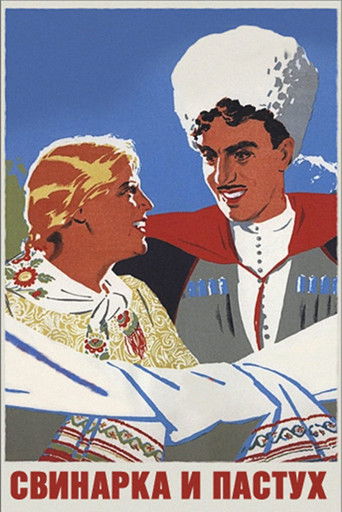
- Stalin Prize (1942) for 'The Swineherd and the Shepherd'
- Stalin Prize (1943) for 'Secretary of the District Party Committee'
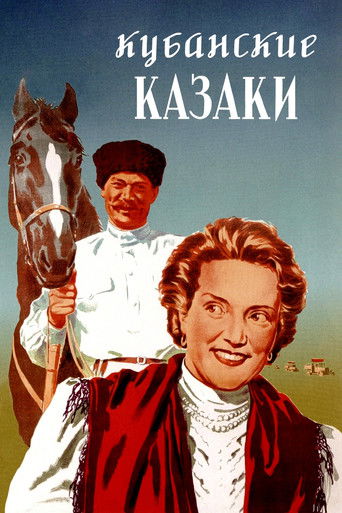
- Stalin Prize (1950) for 'Kuban Cossacks'
- Order of Lenin (multiple times)
- Order of the Red Banner of Labour
- People's Artist of the USSR (1948)
Nominated
- Cannes Film Festival Grand Prize (1946) for 'Secretary of the District Party Committee'
- Venice Film Festival Golden Lion (1950) for 'Kuban Cossacks'
Special Recognition
- People's Artist of the USSR (1948)
- Hero of Socialist Labor (1967)
- Honored Artist of the RSFSR (1939)
- Member of the Communist Party of the Soviet Union
Working Relationships
Worked Often With
Studios
Why They Matter
Impact on Culture
Ivan Pyryev's cultural impact on Soviet cinema was profound and lasting. He essentially created the template for the Soviet musical comedy, a genre that combined entertainment with ideological messaging. His films helped shape Soviet popular culture, with songs from his movies becoming household tunes that were sung throughout the USSR. Pyryev's work contributed to the development of socialist realism as a cinematic style, demonstrating how popular entertainment could serve ideological purposes without sacrificing audience appeal. His films were instrumental in promoting Soviet values of collectivism, industrial progress, and patriotism during crucial periods of Soviet history, including the pre-war years and World War II. The success of his films proved that Soviet cinema could compete with Hollywood in terms of entertainment value while maintaining its ideological integrity.
Lasting Legacy
Pyryev's legacy in film history is that of a master craftsman who successfully navigated the demands of Soviet cultural policy while creating genuinely popular and artistically significant films. His musical comedies remain classics of Soviet cinema, regularly screened and studied for their historical and artistic value. The 'Pyryev style' influenced generations of Soviet filmmakers who followed him, particularly in the musical genre. His tenure as head of Mosfilm helped shape the direction of Soviet cinema during the Khrushchev Thaw, allowing more artistic freedom while maintaining state support for film production. Pyryev's films serve as valuable historical documents that reflect Soviet society, values, and aspirations during the Stalin era and beyond.
Who They Inspired
Pyryev influenced Soviet cinema through both his films and his role as a studio executive. His success in creating commercially viable ideologically sound films provided a model for other filmmakers working within the Soviet system. As head of Mosfilm, he supported emerging talents and helped launch the careers of directors who would later gain international recognition. His integration of music and narrative influenced the development of the musical genre in Soviet cinema. Pyryev's approach to blending entertainment with propaganda influenced how subsequent generations of Soviet filmmakers approached the challenge of creating art that served both artistic and political purposes.
Off Screen
Ivan Pyryev's personal life was closely intertwined with his professional career. He was married five times, with his most famous and productive marriage being to actress Marina Ladynina, who starred in many of his most successful films. Their collaboration was both artistic and personal, creating some of the most memorable films in Soviet cinema history. Pyryev's relationships often overlapped with his professional life, as he frequently cast his wives in leading roles. Despite his professional success, his personal life was marked by complexity and multiple marriages. He had one son, Erik Pyryev, who also worked in the film industry. Pyryev's final years were spent continuing his filmmaking work until his death in 1968.
Education
Pyryev studied at the Moscow Art Theatre School under Vsevolod Meyerhold, where he was exposed to avant-garde theatrical techniques. He also attended the State Institute of Cinematography (VGIK), though he was largely self-taught as a filmmaker. His early education in theater and performance arts provided him with a strong foundation in both acting and directing that would serve him throughout his career.
Family
- Ada Vojtsik (1925-1930)
- Marina Ladynina (1936-1954)
- Ludmila Marchenko (1957-1964)
- Svetlana Druzhinina (1965-1968)
- Nonna Mordyukova (1968, until his death)
Did You Know?
- His film 'Tractor Drivers' was so popular that its songs became hits throughout the Soviet Union
- Pyryev was married five times, often to actresses from his films
- He served as the head of Mosfilm studio during a crucial period of Soviet cinema history
- His films were among the few Soviet movies to achieve both critical acclaim and massive popular success
- Pyryev won more Stalin Prizes for cinema than almost any other Soviet director
- He was a member of the Communist Party and held various official positions in Soviet cultural organizations
- His film 'Kuban Cossacks' was criticized by Khrushchev for its unrealistic portrayal of collective farm life
- Pyryev began his career as an actor in experimental silent films before transitioning to directing
- He was known for his meticulous attention to detail, often spending months on pre-production
- Despite his success, some of his later films were criticized for being overly propagandistic
In Their Own Words
Cinema must serve the people and the Party, but it must first be art that moves the soul.
A song in a film is not just entertainment; it is the voice of the people's joy and struggle.
The collective farm is not just a place of work; it is a stage where the drama of Soviet life unfolds.
In Soviet cinema, the individual finds happiness only through service to the collective.
Music is the language that speaks directly to the Soviet heart; it bypasses intellectual barriers.
Frequently Asked Questions
Who was Ivan Pyryev?
Prominent Soviet on YTB.my. He was particularly renowned for his musical comedies that blended socialist realist themes with popular entertainment, creating some of the most beloved Soviet films of the 1930s and 1940s.
What films is Ivan Pyryev best known for?
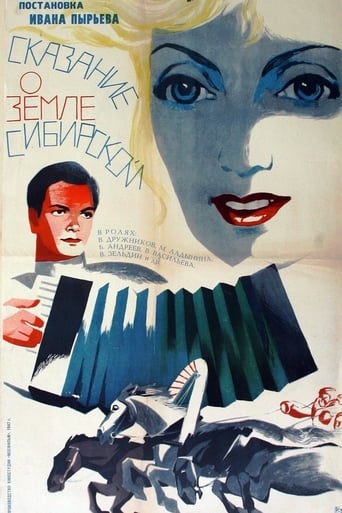
Titles linked here include Tractor Drivers (1939), The Swineherd and the Shepherd (1941).
When was Ivan Pyryev born and when did he die?
Born November 17, 1901; died February 7, 1968.
What awards did Ivan Pyryev win?
Pyryev won four Stalin Prizes for his films, was named People's Artist of the USSR in 1948, and received the Hero of Socialist Labor award in 1967. He also received multiple Orders of Lenin and the Order of the Red Banner of Labour for his contributions to Soviet cinema.
What was Ivan Pyryev's directing style?
Pyryev's directing style combined socialist realist themes with popular entertainment elements. His films featured elaborate musical sequences, optimistic tones, and celebrations of Soviet achievements. He was known for meticulous visual composition, wide shots showcasing collective labor, and integrating popular songs that became hits across the Soviet Union.
Was Ivan Pyryev married to Marina Ladynina?
Yes, Ivan Pyryev was married to actress Marina Ladynina from 1936 to 1954. She starred in many of his most successful films, including 'Tractor Drivers,' 'The Swineherd and the Shepherd,' and 'Kuban Cossacks.' Their professional and personal collaboration produced some of the most memorable films in Soviet cinema history.
What was Ivan Pyryev's role at Mosfilm?
Pyryev served as the head of Mosfilm studio from 1954 to 1957,. During his tenure, he supported emerging filmmakers and helped shape the direction of Soviet cinema during the Khrushchev Thaw period, mentoring directors who would later gain international recognition.