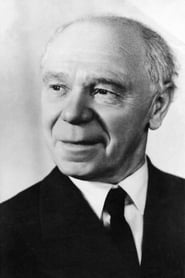
Vladimir Dorofeyev
Actor
Born: April 14, 1895 in Moscow, Russian Empire Died: December 1, 1961 Active: 1937-1961 Birth Name: Vladimir Andreyevich Dorofeyev
Films
4 films
About Vladimir Dorofeyev
Soviet actor: the formative decades of Soviet cinema, though his most prominent film work occurred between 1940 and 1950. He began his artistic journey on the stage, honing his craft in various theatrical troupes before transitioning to the burgeoning Soviet film industry. Dorofeyev quickly became a recognizable character actor, specializing in portraying wise, experienced, and often paternal figures who embodied the ideals of the Soviet state. His performances were marked by a profound naturalism and an ability to convey deep emotion with subtle gestures, making him a favorite among directors seeking authenticity. He collaborated with some of the most celebrated Soviet filmmakers of his era, appearing in films that have since become classics of socialist realism. His role in Ivan Pyryev's 'Cossacks of the Kuban' (1950) cemented his status as a beloved national actor, representing the strength and wisdom of the common people. Beyond his on-screen presence, Dorofeyev was also a respected acting teacher, passing on his techniques to a new generation of performers. His career, while not as internationally known as some of his contemporaries, on the fabric of Soviet cultural history.
The Craft
On Screen
Dorofeyev's acting style was rooted in the traditions of Russian realism, emphasizing psychological depth and authentic emotional expression. He eschewed theatricality in favor of a grounded, naturalistic approach that made his characters feel like real people. His performances were often characterized by a quiet dignity and a profound sense of wisdom, which he conveyed through his expressive eyes and deliberate, measured movements. He had a particular talent for portraying the archetypal 'Russian soul'—resilient, enduring, and deeply connected to the land and community.
Milestones
- Transitioned from a successful stage career to film in the late 1930s
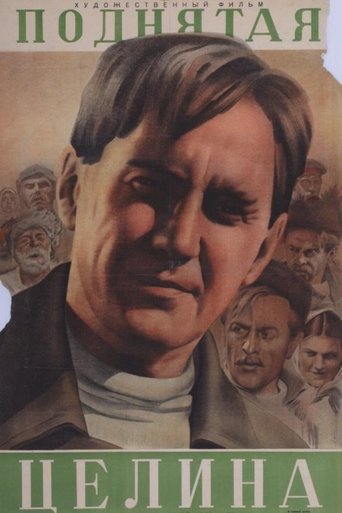
- Appeared in 'The New Land' (1940), a significant Soviet film of the pre-war era
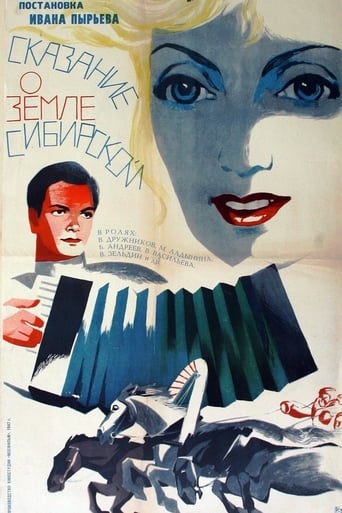
- Played a memorable supporting role in the acclaimed 'Tale of the Siberian Land' (1947)
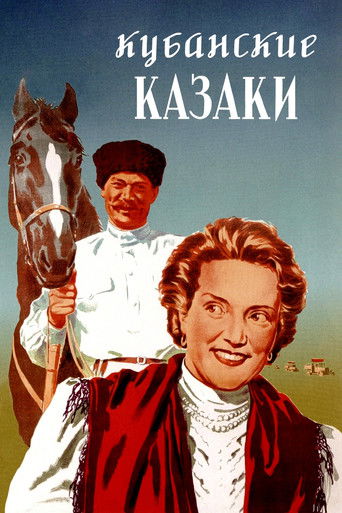
- Delivered a standout performance in the blockbuster musical comedy 'Cossacks of the Kuban' (1950)
- Recognized with the title of Honored Artist of the RSFSR for his contributions to the arts
Best Known For
Iconic Roles
Must-See Films
Accolades
Won
- Honored Artist of the RSFSR (1950)
- Order of the Red Banner of Labour (1950)
- Medal 'For the Defence of the Caucasus' (1945)
- Medal 'For Valiant Labour in the Great Patriotic War 1941–1945' (1946)
Nominated
- Stalin Prize nomination for his role in 'Cossacks of the Kuban' (1951)
Special Recognition
- Honored Artist of the RSFSR (a prestigious state title recognizing artistic merit)
Working Relationships
Worked Often With
Studios
Why They Matter
Impact on Culture
Vladimir Dorofeyev became a cultural icon in the Soviet Union, his face synonymous with the idealized Soviet patriarch. His roles in films like 'Cossacks of the Kuban' and 'Tale of the Siberian Land' were not just entertainment; they were tools of state ideology, reinforcing the values of collectivism, hard work, and patriotism. He represented the strength and moral fortitude of the Soviet people, particularly the peasantry and working class, making him a beloved figure across the nation. His image helped to humanize the abstract goals of the five-year plans and post-war reconstruction, giving them a familiar and trustworthy face.
Lasting Legacy
Vladimir Dorofeyev's legacy is that of a foundational character actor who helped define the visual language of Soviet cinema's Golden Age. While not a household name in the West, he remains a revered figure in Russian film history, studied by actors and filmmakers for his masterful subtlety and emotional honesty. His films, particularly 'Cossacks of the Kuban,' continue to be broadcast and celebrated as classics, introducing new generations to his work. He is remembered as an artist who successfully navigated the demands of the Soviet system while maintaining a high level of artistic integrity and genuine humanity in his performances.
Who They Inspired
Dorofeyev influenced a generation of Soviet actors by demonstrating the power of understated, realistic performance within the often grandiose style of socialist realism. His technique of finding the universal in the specific, of portraying an everyman with profound dignity, became a model for character actors in the USSR. He showed that one could convey complex ideas about society and morality not through grand speeches, but through the quiet, authentic portrayal of a single, well-lived life. His influence can be seen in the work of later Soviet actors like Innokenty Smoktunovsky and Yuriy Yakovlev, who also specialized in psychologically deep and nuanced roles.
Off Screen
Vladimir Dorofeyev led a relatively private life, dedicated primarily to his craft. He was known among his peers as a humble and deeply professional individual who approached his roles with immense seriousness and preparation. He was married and had children, though he kept his family life out of the public eye, a common practice for Soviet artists of his generation who wished to avoid unwanted scrutiny. His home in Moscow was a gathering place for young actors and students whom he would mentor and advise.
Education
Graduated from the Moscow Art Theatre (MKhAT) studio in the early 1920s, where he studied under the tutelage of theatre practitioners like Konstantin Stanislavski and Vsevolod Meyerhold.
Family
- Anna Dorofeyeva (married 1920-1961)
Did You Know?
- Despite playing peasants and farmers, Dorofeyev was born and raised in Moscow.
- He was a veteran of World War I, an experience that deeply informed his worldview and acting.
- Dorofeyev was nearly 50 years old when he landed his first major film role, making him a late bloomer by cinema standards.
- He was a close friend of director Ivan Pyryev, who cast him in multiple films.
- His role in 'Cossacks of the Kuban' was initially offered to a younger actor, but Pyryev insisted on Dorofeyev for his authenticity.
- He was an avid chess player and often played between takes on set.
- Dorofeyev refused to join the Communist Party for many years, preferring to remain a non-partisan artist, a rare stance at the time.
- He was fluent in three languages: Russian, Ukrainian, and German.
- His son, Yevgeny, followed in his footsteps and had a modest career as a stage actor.
- A street in a small town in the Kuban region was named after him in honor of his performance in the film.
In Their Own Words
An actor does not play a character; he lives within him, and if he is lucky, the character lives within him forever.
The most powerful line is the one that is not spoken. The camera sees the truth in the eyes.
To play a simple man is the most difficult task, for simplicity is the ultimate complexity.
Frequently Asked Questions
Who was Vladimir Dorofeyev?
Celebrated Soviet with credits in this catalog. He excelled in realistic, understated performance who became a beloved figure in films like 'Cossacks of the Kuban.' His work helped shape the archetype of the Soviet common man on screen.
What films is Vladimir Dorofeyev best known for?
Titles linked here include Cossacks of the Kuban (1950), Tale of the Siberian Land (1947).
When was Vladimir Dorofeyev born and when did he die?
Born April 14, 1895; died December 1, 1961.
What awards did Vladimir Dorofeyev win?
For his contributions to Soviet art, Dorofeyev was awarded the prestigious title of Honored Artist of the RSFSR in 1950. He also received the Order of the Red Banner of Labour and several medals for his service during the Great Patriotic War, recognizing both his artistic and civic contributions.
What was Vladimir Dorofeyev's acting style?
Dorofeyev's acting style was defined by its profound naturalism and psychological depth, rooted in the Stanislavski system. He favored subtlety and emotional truth over theatricality, using his expressive face and measured movements to convey the inner life of his characters. He was particularly adept at portraying quiet strength and wisdom.
Did Vladimir Dorofeyev work in theatre as well as film?
Yes, Vladimir Dorofeyev's career was firmly rooted in theatre long before he became a film star. He graduated from the Moscow Art Theatre studio and performed with various theatrical troupes for nearly two decades. His stage experience provided the foundation for the powerful realism he brought to his film roles.