Films
2 films
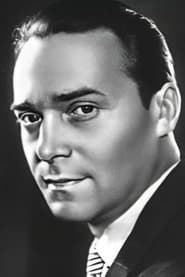
About Nikolai Timofeyev
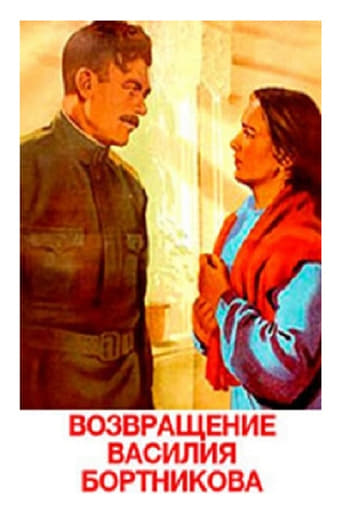
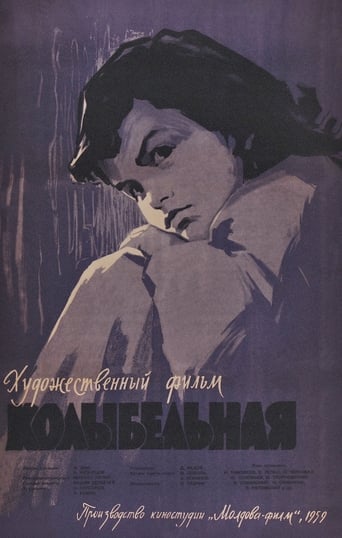
Soviet actor active during the 1950s, appearing primarily in character roles during the post-Stalin era of Soviet cinema. His career, though relatively brief, spanned the critical period of Soviet film's transition from Socialist Realism to more nuanced storytelling. Timofeyev appeared in 'The Return of Vasili Bortnikov' in 1953, a film that dealt with themes of post-war reconstruction and collective farming, typical of Soviet cinema of the time. His role in 'Lullaby' (1959) showcased his ability to portray working-class characters with authenticity and depth. While not a major star, Timofeyev contributed to the ensemble casts that defined Soviet film production during this era, often playing supporting roles that added texture to the narratives of Soviet life. His filmography reflects the state-controlled film industry's focus on stories that reinforced Soviet values while gradually incorporating more humanistic elements.
The Craft
On Screen
Naturalistic portrayal of Soviet working-class characters, typical of the post-Stalin era Soviet acting style that moved away from theatrical exaggeration toward more subtle, realistic performances
Milestones
- Appeared in 'The Return of Vasili Bortnikov' (1953)
- Featured role in 'Lullaby' (1959)
Best Known For
Iconic Roles
Must-See Films
Working Relationships
Studios
Why They Matter
Impact on Culture
As a supporting actor in Soviet cinema of the 1950s, Nikolai Timofeyev contributed to the cultural landscape of post-war Soviet Union by helping to create authentic representations of Soviet life on screen. His work during this period was part of the broader cultural movement known as the Khrushchev Thaw, which saw Soviet cinema gradually incorporating more humanistic elements and complex characterizations. While not a major cultural figure, actors like Timofeyev were essential to the Soviet film industry's ability to produce the large ensemble casts required for their epic productions and social dramas.
Lasting Legacy
Nikolai Timofeyev's legacy lies in his contribution to Soviet cinema's transition period during the 1950s, when filmmakers began exploring more nuanced approaches to storytelling. His performances in 'The Return of Vasili Bortnikov' and 'Lullaby' represent the type of authentic character acting that became increasingly valued in Soviet cinema as it moved away from the rigid constraints of Socialist Realism. While not widely known internationally, his work is preserved as part of the historical record of Soviet film and serves as an example of the thousands of dedicated actors who formed the backbone of the Soviet film industry.
Who They Inspired
As a character actor in the Soviet system, Nikolai Timofeyev's influence would have been primarily through his work with fellow actors and directors within the studio system, contributing to the development of more naturalistic acting styles that emerged in Soviet cinema during the post-Stalin era.
Off Screen
Limited information is available about Nikolai Timofeyev's personal life, as was common for supporting actors in the Soviet film industry who were not prominently featured in state media.
Did You Know?
- Appeared in films during the critical transition period of Soviet cinema (1953-1959)
- His film 'The Return of Vasili Bortnikov' was released in the same year as Stalin's death
- Worked during the Khrushchev Thaw, a period of cultural liberalization in the USSR
- Like many Soviet actors of his generation, primarily worked in ensemble casts
- His filmography spans the period when Soviet cinema began gaining international recognition
Frequently Asked Questions
Who was Nikolai Timofeyev?
Soviet with credits in this catalog. He was a character actor who contributed to Soviet cinema during the post-Stalin era of cultural liberalization.
What films is Nikolai Timofeyev best known for?
Titles linked here include The Return of Vasili Bortnikov (1953), Lullaby (1959).
When was Nikolai Timofeyev active in film?
Nikolai Timofeyev's known film career spans from 1953 to 1959, covering the important transitional period in Soviet cinema following Stalin's death.
What was Nikolai Timofeyev's acting style?
Timofeyev employed a naturalistic acting style typical of the post-Stalin Soviet cinema, moving away from theatrical exaggeration toward more subtle and realistic portrayals of working-class characters.
What was the cultural context of Nikolai Timofeyev's work?
Timofeyev worked during the Khrushchev Thaw, a period of cultural liberalization in the Soviet Union when cinema began incorporating more humanistic elements and complex characterizations while still operating within the state-controlled system.