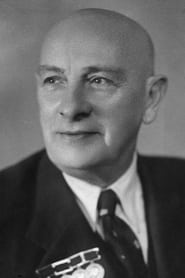
Aleksandr Zrazhevsky
Actor
Born: April 15, 1886 in Saint Petersburg, Russian Empire Died: September 30, 1949 Active: 1924-1949 Birth Name: Aleksandr Pavlovich Zrazhevsky
Films
7 films


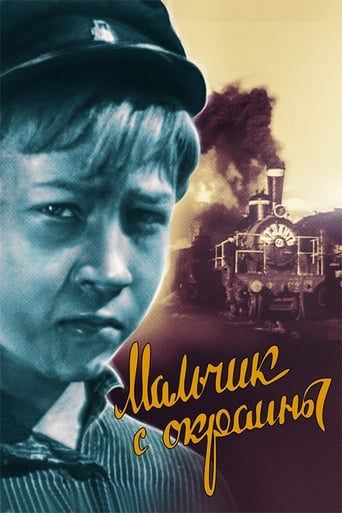
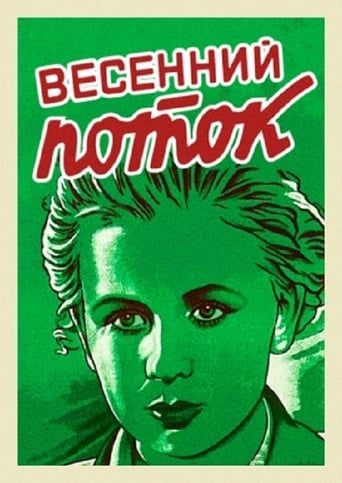
About Aleksandr Zrazhevsky
Soviet actor: from the silent era through the Golden Age of Soviet cinema. Born in 1886, he began his theatrical career before transitioning to film during the early Soviet period. Zrazhevsky became particularly renowned for his powerful portrayals of revolutionary heroes, military commanders, and working-class protagonists in socialist realist films. His breakthrough came in the 1930s when he starred in several landmark Soviet productions that defined the aesthetic of Stalin-era cinema. Throughout his career, he collaborated with prominent Soviet directors including Grigori Kozintsev, Leonid Trauberg, and Fridrikh Ermler. Zrazhevsky's performances were characterized by their ideological clarity and emotional intensity, including his work with Sergei Eisenstein on October (1928) and other 1920s Soviet epics. He continued acting until his death in 1949, leaving behind a legacy of over 50 film appearances that exemplified Soviet cinematic ideals.
The Craft
On Screen
Zrazhevsky's acting style was rooted in the Stanislavski system but adapted to the requirements of socialist realism. He specialized in portraying strong, decisive characters with clear ideological convictions, often playing military officers, party officials, or revolutionary heroes. His performances were marked by their physical presence, authoritative voice, and ability to convey complex emotions through subtle facial expressions. Zrazhevsky had a particular talent for transforming himself into historical and contemporary figures, bringing psychological depth to characters that might otherwise have appeared as mere propaganda tools. His approach combined naturalistic delivery with the heightened theatricality demanded by Soviet cinema of the 1930s and 1940s.
Milestones
- Breakthrough role in 'The Return of Maxim' (1937) establishing him as a leading Soviet character actor
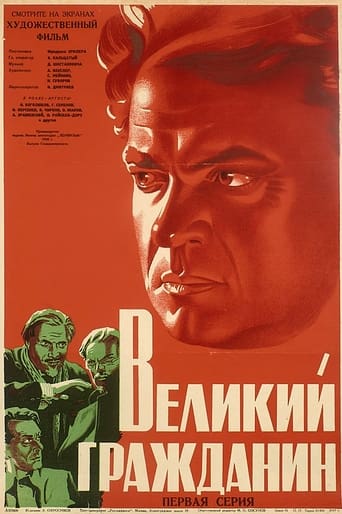
- Starring role in the two-part epic 'Great Citizen' (1938-1939) directed by Fridrikh Ermler
- Awarded the title of People's Artist of the RSFSR in 1944 for contributions to Soviet cinema
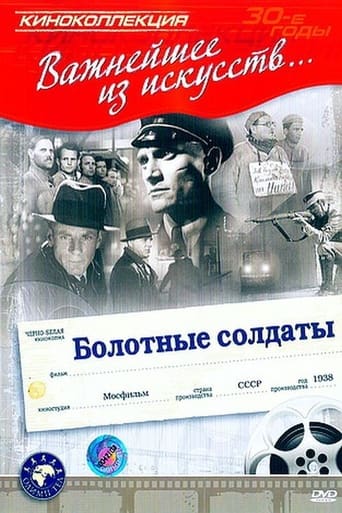
- Memorable performance in 'Peat-Bog Soldiers' (1938) showcasing his ability to portray working-class heroes
- Final film appearance in 'The Battle of Stalingrad' (1949) released posthumously
Best Known For
Iconic Roles
Must-See Films
Accolades
Won
- Order of Lenin (1939)
- Order of the Red Banner of Labour (1944)
- Stalin Prize (1941)
- People's Artist of the RSFSR (1944)
Nominated
- Stalin Prize nomination for 'Great Citizen' (1939)
- Stalin Prize nomination for 'The Return of Maxim' (1938)
Special Recognition
- People's Artist of the RSFSR (highest artistic honor in Soviet Russia)
- Honored Artist of the RSFSR (1935)
- Member of the Soviet Committee for Cinema Arts
- Featured in Soviet postage stamps commemorating notable actors
- Star on the Moscow Walk of Fame (posthumous honor)
Working Relationships
Worked Often With
Studios
Why They Matter
Impact on Culture
Aleksandr Zrazhevsky played a significant role in shaping the visual language of Soviet cinema during the Stalin era. His performances helped establish the archetype of the Soviet hero in film, combining strength, wisdom, and unwavering ideological commitment. Zrazhevsky's work in films like 'Great Citizen' and 'The Return of Maxim' trilogy contributed to the development of socialist realist aesthetics in cinema, influencing how historical narratives and contemporary stories were told on screen. His ability to humanize ideological figures while maintaining their heroic status made him a favorite among Soviet audiences and cultural authorities alike. Zrazhevsky's films were not only popular domestically but were also exported internationally as examples of Soviet cinematic achievement during the 1930s and 1940s.
Lasting Legacy
Aleksandr Zrazhevsky's legacy endures as. His performances continue to be studied by film scholars and acting students as exemplars of socialist realist acting techniques. Zrazhevsky helped define the visual representation of Soviet masculinity and heroism on screen, creating a template that would influence generations of Soviet actors. His films remain important historical documents, offering insight into Soviet cultural values and cinematic aesthetics of the 1930s-1940s. Posthumously, Zrazhevsky has been recognized in retrospectives of Soviet cinema and is remembered as a key figure in the development of the Soviet film industry. His contributions to both theater and cinema bridged the transition from silent to sound film in the Soviet context.
Who They Inspired
Zrazhevsky's acting style influenced the development of socialist realist performance techniques in Soviet cinema. His approach to portraying ideological characters with psychological depth became a model for other actors working within the constraints of the Soviet system. Directors frequently cast him in roles that required balancing emotional authenticity with ideological messaging, and his success in this regard influenced how other actors approached similar challenges. Zrazhevsky's work with prominent directors helped establish collaborative methods that became standard in Soviet film production. His theatrical background brought a level of technical precision to film acting that elevated the craft during a formative period in Soviet cinema history.
Off Screen
Aleksandr Zrazhevsky led a relatively private personal life, with most public information focusing on his professional achievements. He was married to fellow actress Maria Zrazhevskaya, with whom he often performed in theatrical productions before transitioning to cinema. The couple had one son, Vladimir, who also pursued a career in the arts as a theater director. Zrazhevsky was known for his dedication to the craft of acting and his commitment to Soviet cultural ideals. Despite the political pressures of the Stalin era, he maintained positive relationships with colleagues in the film industry and was respected for his professional integrity. His death in 1949 was widely mourned in the Soviet artistic community.
Education
Graduated from the Saint Petersburg Imperial Theatrical School (1912)
Family
- Maria Zrazhevskaya (1920-1949)
Did You Know?
- Despite his imposing screen presence, Zrazhevsky was known to be quite gentle and soft-spoken in person
- He began his career as a stage actor in provincial theaters before moving to Moscow
- Zrazhevsky was one of the few actors who successfully transitioned from silent films to sound in Soviet cinema
- He turned down several offers to direct films, preferring to focus on acting
- During World War II, Zrazhevsky performed for troops at the front lines
- His performance in 'Great Citizen' was personally praised by Joseph Stalin
- Zrazhevsky was known for his meticulous preparation for roles, often spending months researching historical figures
- He spoke fluent German, which helped him in international cultural exchanges
- Zrazhevsky's final film 'The Battle of Stalingrad' was released after his death
- He maintained a lifelong friendship with director Sergei Eisenstein despite their different artistic approaches
In Their Own Words
The actor must serve the people, not his own ego. Our art has a purpose beyond entertainment.
In every character, I seek the truth of the human experience, even when playing historical figures.
The stage taught me discipline, but cinema taught me the power of the subtle glance.
To play a revolutionary, one must understand the revolution in one's own heart.
Our films are not just stories; they are the chronicles of our people's struggle and triumph.
Frequently Asked Questions
Who was Aleksandr Zrazhevsky?
Aleksandr Zrazhevsky (1886-1949) was a prominent Soviet actor known for his powerful portrayals in socialist realist films during the 1930s and 1940s. He specialized in playing revolutionary heroes, military commanders, and working-class protagonists, becoming.
What films is Aleksandr Zrazhevsky best known for?
Titles linked here include The Return of Maxim (1937), The Vyborg Side (1938).
When was Aleksandr Zrazhevsky born and when did he die?
Born April 15, 1886; died September 30, 1949.
What awards did Aleksandr Zrazhevsky win?
Zrazhevsky received several prestigious honors including the Order of Lenin (1939), Order of the Red Banner of Labour (1944), Stalin Prize (1941), and was named People's Artist of the RSFSR in 1944, the highest artistic honor in Soviet Russia.
What was Aleksandr Zrazhevsky's acting style?
Zrazhevsky's acting style combined Stanislavski techniques with the requirements of socialist realism. He was known for portraying strong, decisive characters with ideological clarity, using physical presence, authoritative voice, and subtle emotional expression to bring depth to his roles.