Films
8 films
About Ivan Lyubeznov
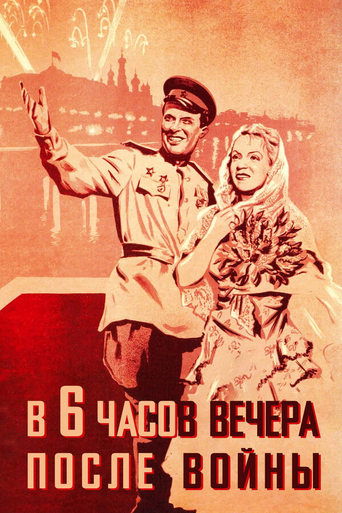
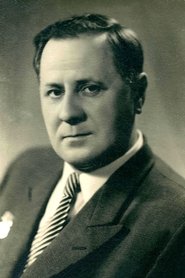
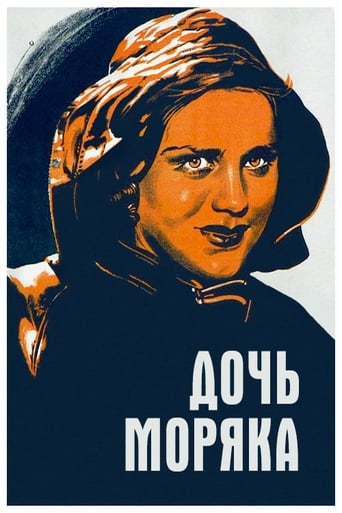
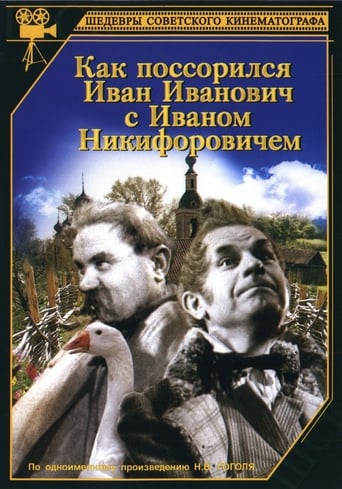
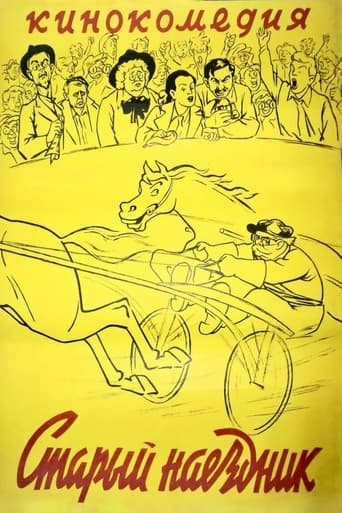
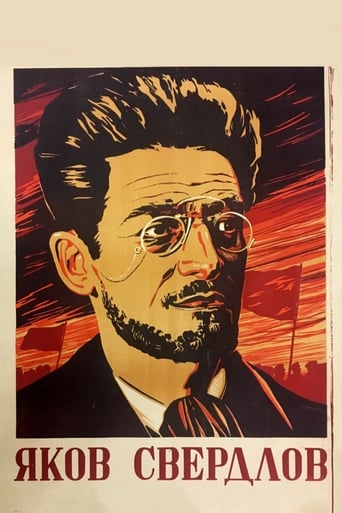
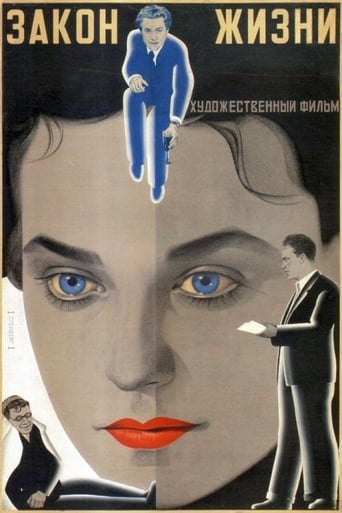
Soviet character actor who emerged during the early 1940s, a tumultuous period in Soviet cinema history marked by World War II. His career, though relatively brief from 1940 to 1946, spanned several important Soviet productions that reflected the ideological and artistic priorities of the Stalin era. Lyubeznov appeared in multiple films in 1940 alone, including 'The Old Jockey,' 'Yakov Sverdlov,' and 'The Law of Life,' establishing himself as a reliable supporting actor in the Soviet film industry. His work continued through the war years with films like 'Seaman's Daughter' (1941) and the Gogol adaptation 'How Ivan Ivanovich Quarreled with Ivan Nikiforovich' (1941). Like many actors of his generation, his career was shaped by the demands of wartime cinema and the strict artistic controls of Soviet cultural policy. Though not a major star, Lyubeznov contributed to the Soviet cinematic landscape during one of its most challenging periods, appearing in films that served both artistic and propaganda purposes. His filmography represents the typical trajectory of a working actor in the Soviet system during the 1940s.
The Craft
On Screen
Based on his roles in Soviet cinema of the 1940s, Lyubeznov likely employed the realistic yet ideologically-informed acting style typical of the period, emphasizing character types that served the narrative and thematic needs of Soviet film production.
Milestones
- Film debut in The Old Jockey (1940)
- Multiple film appearances in 1940 establishing his presence in Soviet cinema
- Role in Yakov Sverdlov (1940), a biographical film about the Bolshevik revolutionary
- Appearance in Seaman's Daughter (1941) during the early war period
- Role in Gogol adaptation How Ivan Ivanovich Quarreled with Ivan Nikiforovich (1941)
Best Known For
Iconic Roles
Must-See Films
Working Relationships
Studios
Why They Matter
Impact on Culture
Ivan Lyubeznov's contribution to Soviet cinema, while not widely documented, represents the work of the countless character actors who formed the backbone of the Soviet film industry during the 1940s. His appearances in multiple films during this critical period demonstrate the demand for reliable actors who could embody various character types needed for Soviet wartime and postwar productions. The films he participated in, particularly historical and revolutionary subjects like 'Yakov Sverdlov,' were part of the Soviet effort to use cinema as a tool for ideological education and morale building during World War II. His work in adaptations of Russian literature, such as the Gogel adaptation, also contributed to the preservation and popularization of classic Russian literature through the medium of film.
Lasting Legacy
While Ivan Lyubeznov did not achieve lasting fame as an individual performer, his legacy exists as part of the collective body of work that defined Soviet cinema during the World War II era. His filmography serves as a historical record of the types of films being produced in the Soviet Union during this period and the actors who brought these stories to life. The preservation of his films provides modern audiences with insight into the cinematic techniques, narrative priorities, and ideological concerns of Soviet filmmakers during.
Who They Inspired
As a supporting actor rather than a star, Ivan Lyubeznov's direct influence on other actors or filmmakers is not widely documented. However, like all working actors of his generation, he contributed to the professional standards and acting traditions of the Soviet film industry, which would influence subsequent generations of Soviet and Russian performers.
Off Screen
Limited information is available about Ivan Lyubeznov's personal life, which was common for supporting actors in the Soviet film industry who did not achieve star status. Like many actors of his era, his life would have been shaped by the political and social conditions of wartime and postwar Soviet Union.
Did You Know?
- Appeared in three films in 1940 alone, suggesting a busy start to his film career
- Worked during World War II, a period when Soviet cinema faced significant production challenges
- Participated in both contemporary stories and literary adaptations
- His career coincided with the height of Stalin's control over Soviet cultural production
- The films he appeared in represent typical genres of Soviet cinema: historical biographies, literary adaptations, and contemporary dramas
- Like many Soviet actors of his era, his work would have been subject to strict censorship and ideological requirements
- His film career appears to have ended around 1946, shortly after the end of World War II
Frequently Asked Questions
Who was Ivan Lyubeznov?
Screen credits include several notable Soviet films including 'The Old Jockey,' 'Yakov Sverdlov,' and 'How Ivan Ivanovich Quarreled with Ivan Nikiforovich.' He worked during World War II, contributing to Soviet cinema during one of its most challenging periods.
What films is Ivan Lyubeznov best known for?
Titles linked here include The Old Jockey (1940), Yakov Sverdlov (1940).
When was Ivan Lyubeznov active in film?
Ivan Lyubeznov's film active years covered from 1940 to 1946, covering the World War II period and immediate postwar years in the Soviet Union. This was a particularly challenging time for Soviet cinema production.
What type of roles did Ivan Lyubeznov typically play?
Based on his filmography, Lyubeznov appeared to be a versatile character actor who took supporting roles in various genres including historical biographies, literary adaptations, and contemporary dramas typical of Soviet cinema of the 1940s.
What was the significance of the films Ivan Lyubeznov appeared in?
The films Lyubeznov appeared in were significant as they represented the major genres and themes of Soviet wartime cinema, including revolutionary history, literary adaptations, and contemporary stories that served both artistic and propaganda purposes during the critical war years.