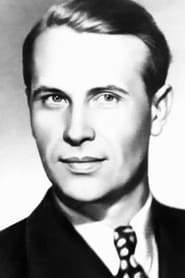
Mark Bernes
Actor
Born: October 25, 1911 in Nezhin, Chernigov Governorate, Russian Empire (now Nizhyn, Ukraine) Died: August 16, 1969 Active: 1935-1969 Birth Name: Mark Naumovich Neiman
Films
5 films
About Mark Bernes
Mark Bernes, born Mark Naumovich Neiman, was one of Soviet cinema's most beloved actors and singers during the 1930s-1950s Golden Age of Russian filmmaking. He began his career at the Odessa Drama Theater before transitioning to film, quickly establishing himself as a charismatic leading man known for his deep, resonant voice and commanding screen presence. Bernes achieved tremendous popularity during World War II through his roles in patriotic films and his recordings of wartime songs that became anthems for Soviet citizens. His performance in 'Two Soldiers' (1943) and his rendition of 'Dark Night' (Тёмная ночь) made him a household name across the Soviet Union. Throughout his career, he appeared in over 30 films, often portraying soldiers, sailors, and working-class heroes with authenticity and emotional depth. Beyond acting, Bernes became one of the Soviet Union's most celebrated singers, with his recordings selling millions of copies and his concerts drawing massive crowds. His career was briefly interrupted by Stalin's anti-Semitic campaigns in the late 1940s, but he continued working and remained a beloved figure until his death from lung cancer in 1969.
The Craft
On Screen
Naturalistic and emotionally authentic, Bernes specialized in portraying strong, principled characters with a blend of toughness and warmth. His acting was characterized by his deep, resonant voice, which he used to great effect in both dramatic and musical performances. He brought a sense of genuine humanity to his roles, whether playing soldiers, workers, or ordinary citizens facing extraordinary circumstances.
Milestones
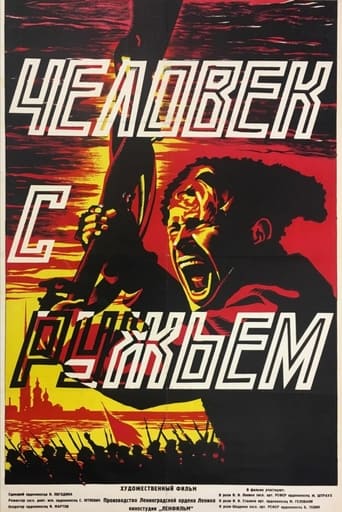
- Film debut in 'The Man with the Gun' (1938)
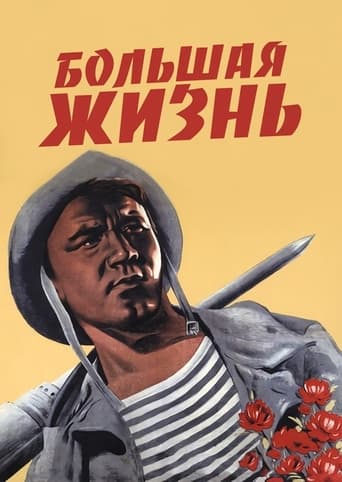
- Breakthrough role in 'A Great Life' (1939)
- Iconic performance in 'Two Soldiers' (1943)
- Recording of 'Dark Night' became wartime anthem
- Stalin Prize recipient (1951)
- People's Artist of the RSFSR (1965)
Best Known For
Iconic Roles
Must-See Films
Accolades
Won
- Stalin Prize (1951)
- Order of the Red Banner of Labour (1956)
- Order of the Badge of Honour (1938)
- People's Artist of the RSFSR (1965)
Nominated
- Nominated for Lenin Prize (1969, posthumously)
Special Recognition
- Honored Artist of the RSFSR (1944)
- People's Artist of the RSFSR (1965)
- Multiple state medals for wartime contributions
Working Relationships
Worked Often With
Studios
Why They Matter
Impact on Culture
Mark Bernes became a cultural icon in the Soviet Union, particularly during World War II when his films and songs provided moral support and inspiration to millions. His recording of 'Dark Night' from 'Two Soldiers' became. Bernes represented the ideal Soviet man - strong, principled, and devoted to his country - and his performances helped shape the cultural memory of the Great Patriotic War. His unique blend of acting talent and musical ability created a new archetype in Soviet cinema that influenced generations of performers.
Lasting Legacy
Bernes left an indelible mark on Soviet culture as both a cinematic and musical icon. His films continue to be studied as classics of Soviet wartime cinema, while his recordings remain popular across Russia and former Soviet republics. He helped establish the tradition of actor-singers in Russian cinema and set a standard for authentic, emotionally honest performances. His legacy includes numerous streets named after him in Russian cities, commemorative postage stamps, and continued recognition as.
Who They Inspired
Bernes influenced subsequent generations of Soviet and Russian actors through his naturalistic acting style and his ability to convey deep emotion with subtlety and restraint. His success as both actor and singer paved the way for future multi-talented performers in Russian cinema. Directors like Andrei Tarkovsky and Nikita Mikhalkov cited his work as an influence on their approach to character development and emotional storytelling. His portrayal of the Soviet everyman during wartime became a template for similar characters in later Soviet films.
Off Screen
Bernes was married twice and had one child. His first marriage was to actress Raisa Zaitseva, which ended in divorce. He later married ballerina Lidiya Smirnova, with whom he remained until his death. Despite his immense popularity, Bernes maintained a relatively private personal life and was known for his humility and dedication to his craft. He struggled with health issues in his later years, particularly lung problems that ultimately led to his death.
Education
Odessa Drama Theater School (graduated 1930)
Family
- Raisa Zaitseva (1930s-1940s)
- Lidiya Smirnova (1945-1969)
Did You Know?
- Changed his name from Neiman to Bernes to avoid sounding too Jewish during rising anti-Semitism
- His song 'Dark Night' was reportedly Stalin's favorite wartime song
- Despite his fame, he never owned a car and preferred using public transportation
- Was an avid chess player and often played between takes on film sets
- His voice was once described by critics as 'the voice of the Russian soul'
- Had a photographic memory and could recall entire scripts after one reading
- Was offered the lead in 'The Cranes Are Flying' but had to decline due to illness
- His funeral drew thousands of mourners despite being held on a rainy day
- Never learned to read music but had perfect pitch
- Was known for his generosity, often giving away his earnings to struggling fellow artists
In Their Own Words
'The song should come from the heart, not from the throat.' (on his approach to singing)
'I don't play heroes, I play people who become heroes through their circumstances.' (on his acting philosophy)
'Dark night, only bullets are whistling in the steppe, Only the wind is wailing in the wires, Only stars twinkle faintly.' (lyrics from his most famous song)
Frequently Asked Questions
Who was Mark Bernes?
Legendary Soviet with credits in this catalog.
What films is Mark Bernes best known for?
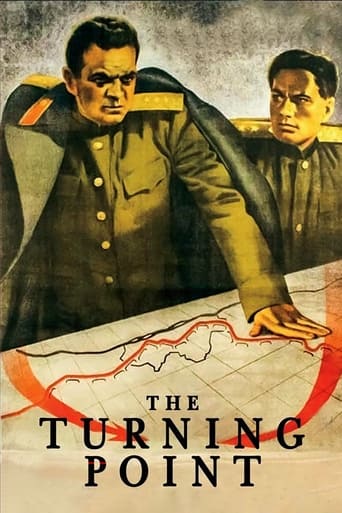
Titles linked here include Two Soldiers (1943), The Turning Point (1945).
When was Mark Bernes born and when did he die?
Born October 25, 1911; died August 16, 1969.
What awards did Mark Bernes win?
Bernes received the prestigious Stalin Prize in 1951, was named People's Artist of the RSFSR in 1965, and was awarded multiple state honors including the Order of the Red Banner of Labour and the Order of the Badge of Honour.
What was Mark Bernes' acting style?
Bernes was known for his naturalistic, emotionally authentic acting style, specializing in portraying strong, principled characters with a distinctive deep voice. He brought genuine humanity to his roles, particularly in his portrayals of soldiers and working-class heroes.
Why was Mark Bernes' song 'Dark Night' so significant?
'Dark Night' became an unofficial anthem of the Great Patriotic War, expressing the longing and hope of Soviet soldiers and civilians. It was reportedly Stalin's favorite wartime song and remains.
Did Mark Bernes face any political persecution?
Yes, during the late 1940s anti-Semitic campaign, Bernes faced persecution despite his popularity. He was briefly blacklisted from some projects, though his immense public appeal helped protect him from more severe consequences.