Films
2 films
About Sofya Khalyutina
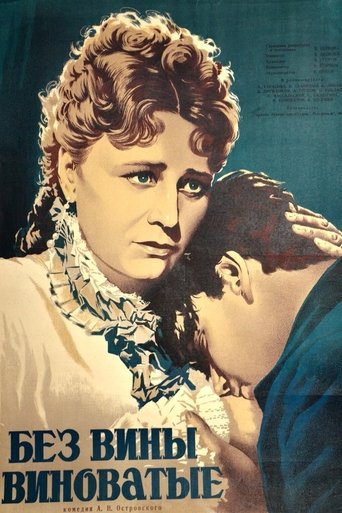
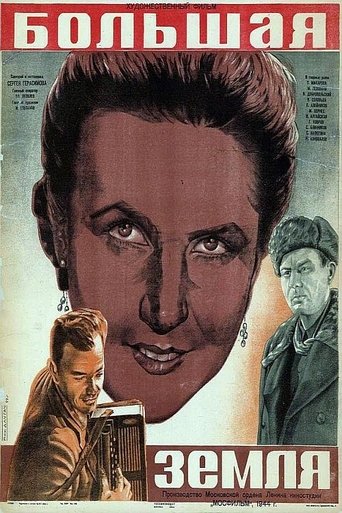
Soviet actress active during the World War II era — known for her work in two notable films of the mid-1940s. Her brief but impactful career coincided with tumultuous periods in Soviet history, when cinema served as both entertainment and propaganda. In 'The Ural Front' (1944), she contributed to the wartime effort by appearing in a film that highlighted the Soviet Union's industrial and military strength during the war. The following year, she appeared in 'Guilty Without Guilt' (1945), a dramatic adaptation of Alexander Ostrovsky's classic play, demonstrating her versatility in both contemporary wartime stories and classical literature. While her filmography was limited to these two known works, her performances reflected the serious, dramatic style characteristic of Soviet cinema of the period. Like many actors of her generation, her career was shaped by the demands of wartime production and the ideological requirements of Soviet cultural policy. Her work represents the contributions of countless supporting actors who formed the backbone of Soviet cinema during its golden age.
The Craft
On Screen
Classical Soviet dramatic style, characterized by serious, emotionally restrained performances typical of the wartime period
Milestones
- Appeared in 'The Ural Front' (1944) during World War II
- Starred in 'Guilty Without Guilt' (1945), an adaptation of Ostrovsky's play
Best Known For
Iconic Roles
Must-See Films
Working Relationships
Studios
Why They Matter
Impact on Culture
Sofya Khalyutina's work, though limited in scope, represents the important contributions of supporting actors in Soviet cinema during World War II. Her participation in 'The Ural Front' placed her within the tradition of wartime cinema that served both artistic and patriotic functions, helping to maintain morale and support the war effort. The film itself was part of a broader cultural movement that celebrated Soviet industrial and military strength during the critical years of the Eastern Front. Her appearance in 'Guilty Without Guilt' connected her to the rich tradition of adapting classical Russian literature for the screen, a practice that helped preserve cultural heritage even during times of crisis. While not a major star, her career exemplifies how cinema during this period relied on ensemble casts and dedicated character actors to bring stories to life.
Lasting Legacy
Sofya Khalyutina's legacy is preserved through her two surviving film works, which serve as historical documents of Soviet cinema during World War II. Her performances contribute to our understanding of how actors of the period approached their craft under the unique pressures of wartime production. While she may not have achieved the fame of contemporaries like Lyubov Orlova or Marina Ladynina, her work represents the essential foundation of Soviet film that relied on talented supporting actors. The films she appeared in continue to be studied by film historians interested in wartime propaganda, adaptation of classical literature, and the evolution of Soviet cinematic style during the 1940s.
Who They Inspired
As a supporting actress with a brief filmography, Sofya Khalyutina's direct influence on other actors is difficult to trace. However, her work contributed to the broader tradition of ensemble acting in Soviet cinema that emphasized collective achievement over individual stardom. Her performances in both wartime drama and classical adaptation helped maintain the continuity of Russian theatrical traditions on screen during a period of immense social and political upheaval.
Off Screen
Very little documented information exists about Sofya Khalyutina's personal life, which is not uncommon for supporting actors from the Soviet film industry of the 1940s. Like many actors of her generation, her life was likely shaped by the major historical events of the time, including World War II and the post-war reconstruction period.
Did You Know?
- Her film active years covered exactly two years during World War II
- Both of her known films were released during the final years of the Great Patriotic War
- 'The Ural Front' was a wartime propaganda film highlighting Soviet industrial and military strength
- 'Guilty Without Guilt' was based on a classic play by Alexander Ostrovsky, a major figure in Russian literature
- She worked during the Stalinist era when Soviet cinema was heavily regulated by the state
- Her career coincided with the evacuation of many Soviet film studios to Central Asia during the German invasion
- Like many Soviet actors of her generation, she likely received training at one of the state-sponsored theater institutes
- Her brief filmography is typical of many supporting actors who appeared in only a handful of films during their careers
Frequently Asked Questions
Who was Sofya Khalyutina?
Soviet actress active during the World War II era, known for appearing in two films: 'The Ural Front' (1944) and 'Guilty Without Guilt' (1945). She was a supporting actress during a critical period in Soviet cinema history.
What films is Sofya Khalyutina best known for?
Titles linked here include The Ural Front (1944), Guilty Without Guilt (1945).
When was Sofya Khalyutina born and when did she die?
Specific birth and death dates for Sofya Khalyutina are not documented in available historical records, which is not uncommon for supporting actors from the Soviet film industry of the 1940s.
What awards did Sofya Khalyutina win?
There are no documented awards or nominations for Sofya Khalyutina, which was typical for many supporting actors in Soviet cinema during the wartime period.
What was Sofya Khalyutina's acting style?
Her acting style reflected the classical Soviet dramatic approach of the 1940s, characterized by serious, emotionally restrained performances typical of wartime cinema. She worked in both contemporary war stories and classical literary adaptations.