
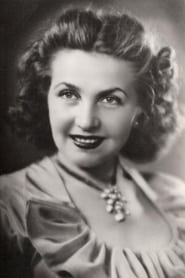
Tamara Makarova
Actor
Born: August 13, 1907 in Saint Petersburg, Russian Empire Died: January 19, 1997 Active: 1933-1975 Birth Name: Tamara Fyodorovna Makarova
Films
11 films
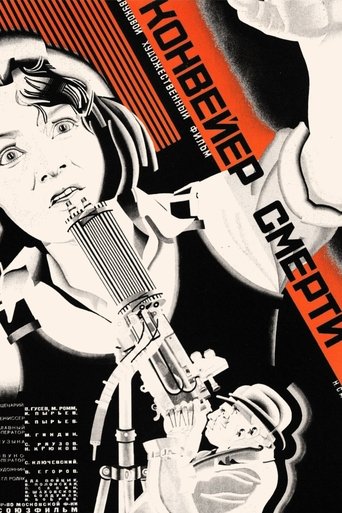
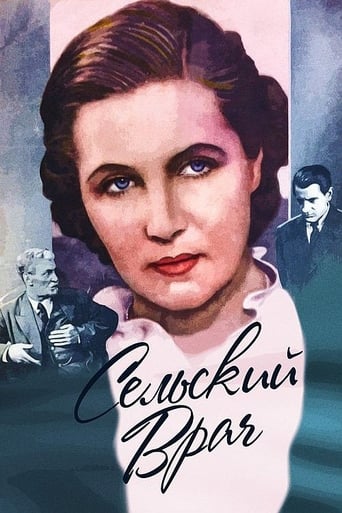

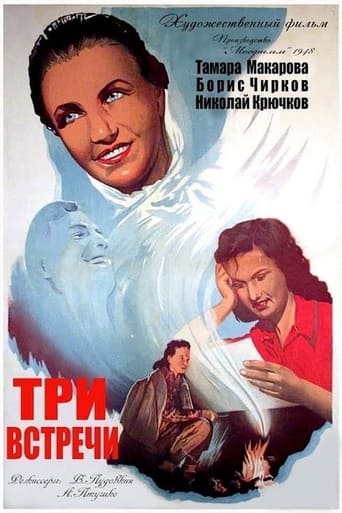
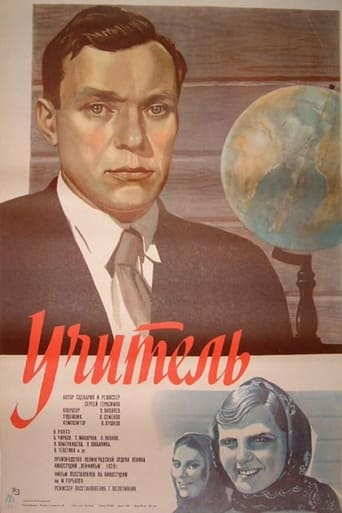
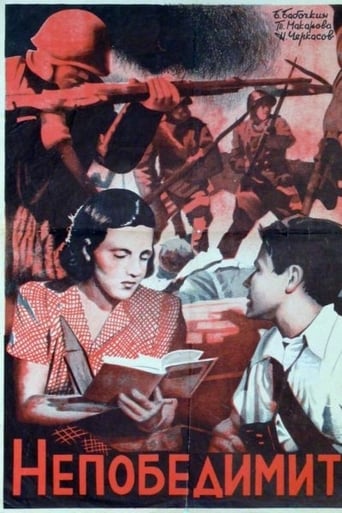
About Tamara Makarova
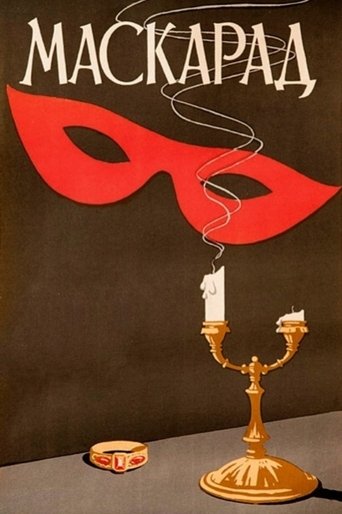
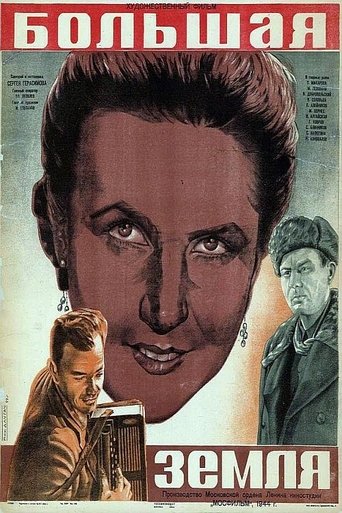
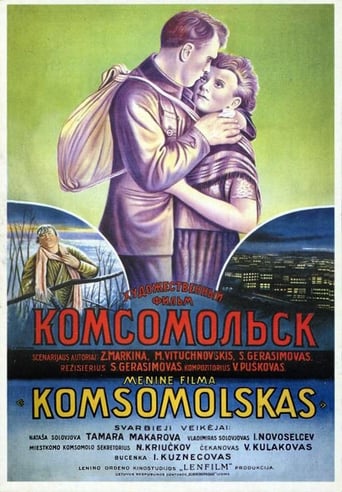
Tamara Fyodorovna Makarova (1907-1997) was actresses of Soviet cinema during the Stalinist era and beyond. She began her career studying at the Leningrad Institute of Performing Arts in the late 1920s, where she met her future husband and frequent collaborator, director Sergei Gerasimov. Her breakthrough came in the early 1930s with roles in films like 'Conveyor of Death' (1933) and 'The Brave Seven' (1936), which established her as a leading actress in socialist realist cinema. Throughout the 1930s and 1940s, Makarova became synonymous with the ideal Soviet woman, portraying strong, dedicated characters in films such as 'Komsomolsk' (1938) and 'The New Teacher' (1939). Her performance in 'Masquerade' (1941) showcased her versatility beyond the typical socialist realist roles. After World War II, she continued acting but gradually transitioned to teaching at the All-Union State Institute of Cinematography (VGIK), where she influenced generations of Soviet actors. Her nearly five decades, making her enduring figures in Soviet film history.
The Craft
On Screen
Makarova was known for her naturalistic yet emotionally powerful performances that embodied the ideals of socialist realism. Her acting style combined classical Russian theatrical training with the emerging demands of cinema, creating characters that were both relatable and ideologically inspiring. She had a remarkable ability to convey deep emotion through subtle facial expressions and controlled gestures, making her particularly effective in roles requiring transformation from ordinary woman to revolutionary heroine. Her performances often featured a dignified restraint that would burst forth in moments of dramatic revelation, creating a powerful emotional arc that resonated with Soviet audiences.
Milestones
- Graduated from Leningrad Institute of Performing Arts (1930)
- Breakthrough role in 'Conveyor of Death' (1933)
- Married director Sergei Gerasimov (1936)
- Awarded People's Artist of the USSR (1950)
- Starred in 'Komsomolsk' (1938) - one of her most famous roles
- Performed in 'Masquerade' (1941) - adaptation of Lermontov's play
- Began teaching career at VGIK (1950s)
- Received Stalin Prize for her contributions to cinema (1941, 1948)
Best Known For
Iconic Roles
Must-See Films
Accolades
Won
- Stalin Prize (1941)
- Stalin Prize (1948)
- People's Artist of the USSR (1950)
- Order of Lenin (1967)
- Order of the October Revolution (1977)
- Order of the Red Banner of Labour (1938)
- Vasilyev Brothers State Prize of the RSFSR (1966)
Nominated
- Nominated for multiple Soviet state film awards throughout her career
Special Recognition
- People's Artist of the RSFSR (1947)
- Honored Artist of the RSFSR (1935)
- Professor at VGIK (1970)
- Honorary citizen of several Soviet cities
Working Relationships
Worked Often With
Studios
Why They Matter
Impact on Culture
Tamara Makarova's cultural impact extended far beyond her film performances, as she helped define the archetype of the Soviet woman in cinema during the Stalinist era. Her characters embodied the ideal combination of strength, dedication, and femininity that Soviet propaganda sought to promote, making her a role model for millions of Soviet women. Through her work with husband Sergei Gerasimov, she contributed to some of the most influential films of Soviet socialist realism, which shaped the cultural consciousness of generations. Her transition to teaching at VGIK ensured that her acting philosophy and techniques would influence Soviet cinema for decades to come. Makarova represented the bridge between the revolutionary enthusiasm of early Soviet cinema and the more sophisticated artistic expression of the post-Stalin era.
Lasting Legacy
Tamara Makarova's legacy in film history is that of a actress who successfully navigated the complex demands of Soviet cinema while maintaining artistic integrity. Her body of work serves as a valuable historical document of Soviet cultural values and cinematic aesthetics from the 1930s through the 1950s. As a teacher, she influenced countless actors who would become prominent in Soviet and post-Soviet cinema. Her marriage and professional partnership with Sergei Gerasimov created. Today, she is remembered not only for her memorable performances but also for her role in shaping Soviet acting pedagogy and her contribution to the golden age of Soviet cinema.
Who They Inspired
Makarova influenced generations of Soviet actors through her performances and teaching. Her naturalistic yet ideologically committed acting style became a model for actors working within the socialist realist tradition. Many of her students at VGIK went on to become prominent figures in Soviet and Russian cinema. Her approach to character development, which combined psychological depth with ideological clarity, was particularly influential during the 1950s and 1960s. Contemporary Russian actresses studying classical Soviet cinema often cite Makarova as an exemplar of how to balance artistic expression with political requirements.
Off Screen
Tamara Makarova's personal life was deeply intertwined with her professional career. She married renowned Soviet film director Sergei Gerasimov in 1936, and their marriage lasted until his death in 1985. Their partnership was both romantic and professional, with Gerasimov directing Makarova in many of her most famous films. The couple had no biological children but mentored numerous students throughout their teaching careers at VGIK. Makarova was known for her dedication to the Soviet film industry and her commitment to educating the next generation of actors. After her husband's death, she largely withdrew from public life but continued teaching until her health declined.
Education
Leningrad Institute of Performing Arts (graduated 1930)
Family
- Sergei Gerasimov (1936-1985)
Did You Know?
- She was one of the few actresses who successfully transitioned from silent films to talkies in Soviet cinema
- Her performance in 'Komsomolsk' was filmed on location at the actual Komsomolsk-on-Amur construction site
- During World War II, she performed for soldiers at the front lines alongside other Soviet actors
- She was known for her meticulous preparation for roles, often spending months researching her characters
- Makarova and Gerasimov's home became a gathering place for Soviet intellectuals and artists
- She spoke several languages fluently, which helped her in international film festivals
- Despite her fame, she lived modestly and never owned a dacha like many other Soviet celebrities
- Her final film appearance was in 1975, though she continued teaching for another decade
- She was known for her photographic memory and could recite entire poems from memory
- Makarova survived both the Stalinist purges and the subsequent Khrushchev thaw, maintaining her status throughout
In Their Own Words
Acting is not about becoming someone else, but about finding the part of yourself that connects with the character
The camera sees everything - you cannot lie to it as you can to a theater audience
Every role is a responsibility to the audience and to the truth of the story
Teaching is the continuation of acting - you pass on what you have learned to those who will come after
Cinema is the most powerful art form because it can reach everyone, regardless of their education or background
Frequently Asked Questions
Who was Tamara Makarova?
Tamara Makarova was. She was also a respected teacher at VGIK and received the title People's Artist of the USSR for her contributions to Soviet film culture.
What films is Tamara Makarova best known for?
Titles linked here include Komsomolsk (1938), The New Teacher (1939).
When was Tamara Makarova born and when did she die?
Born August 13, 1907; died January 19, 1997.
What awards did Tamara Makarova win?
Makarova received numerous prestigious awards including two Stalin Prizes (1941 and 1948), the title People's Artist of the USSR (1950), the Order of Lenin (1967), the Order of the October Revolution (1977), and the Vasilyev Brothers State Prize of the RSFSR (1966). These honors recognized her contributions to Soviet cinema and culture.
What was Tamara Makarova's acting style?
Makarova's acting style combined classical Russian theatrical training with cinematic naturalism, characterized by emotional restraint punctuated by powerful dramatic moments. She excelled at portraying the ideal Soviet woman - strong, dedicated, yet feminine - while maintaining psychological depth and authenticity in her performances.
How was Tamara Makarova related to Sergei Gerasimov?
Tamara Makarova was married to renowned Soviet director Sergei Gerasimov from 1936 until his death in 1985. Their marriage was both personal and professional, with Gerasimov directing Makarova in many of her most famous films, creating one of Soviet cinema's most significant creative partnerships.
What was Tamara Makarova's legacy in Soviet cinema?
Makarova's legacy includes defining the archetype of the Soviet woman in 1930s-1950s cinema, influencing generations of actors through her teaching at VGIK, and contributing to some of the most important films of the Soviet socialist realist period. Her work represents both the artistic achievements and ideological commitments of Soviet cinema during its golden age.