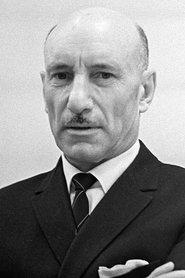
Sergei Gerasimov
Actor & Director
Born: May 21, 1906 in Kundravy, Russian Empire (now Chelyabinsk Oblast, Russia) Died: November 26, 1985 Active: 1927-1985 Birth Name: Sergei Appolonovich Gerasimov
Films
10 films


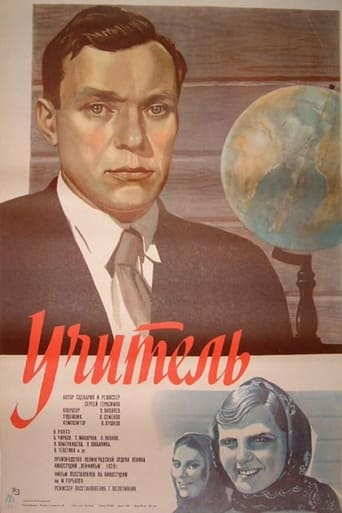
About Sergei Gerasimov
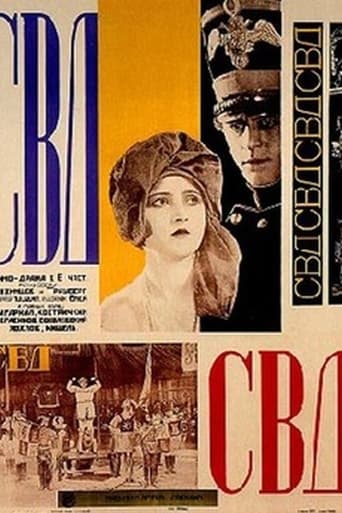
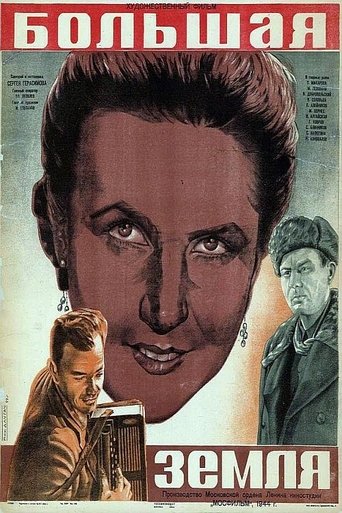
Figure in Soviet cinema, renowned for his dual careers as both an acclaimed actor and influential director during the Stalin era and beyond. Beginning as an actor in the late 1920s, he appeared in several silent films including 'Fragment of an Empire' (1929) before transitioning to directing with 'The Brave Seven' (1936), which established his reputation behind the camera. Gerasimov's directorial work became synonymous with socialist realism, creating films that celebrated Soviet values while maintaining artistic innovation and emotional depth. During World War II, he directed several important propaganda films including 'The Ural Front' (1944) that supported the Soviet war effort and boosted morale. Beyond his filmmaking, Gerasimov — transformative educator who taught at the Gerasimov Institute of Cinematography (VGIK) for decades, training multiple generations of Soviet filmmakers. His the crucial transition from silent to sound cinema, making him an important bridge between early Soviet film and the post-war period. Gerasimov's work consistently balanced ideological requirements with cinematic artistry, creating a lasting legacy in both Russian and world cinema.
The Craft
On Screen
Gerasimov was known for his naturalistic approach and ability to convey complex emotions through subtle expressions, particularly excelling in silent films where his physical expressiveness and psychological depth were exceptional. He often portrayed characters embodying the ideal Soviet citizen—strong, principled, and dedicated to revolutionary ideals. His transition to sound acting was seamless, maintaining his reputation for authentic performances that resonated deeply with Soviet audiences through their emotional honesty and ideological clarity.
Behind the Camera
Gerasimov's directing style was characterized by its adherence to socialist realism while maintaining artistic innovation, known for meticulous attention to visual composition and ability to create emotionally powerful narratives. He employed dynamic camera movements and innovative editing techniques to enhance dramatic impact while directing actors to deliver naturalistic performances that avoided melodramatic excesses common in some Soviet cinema. His films balanced ideological messaging with sophisticated cinematic techniques, creating works that served both political and artistic purposes.
Milestones
- Successful transition from acclaimed actor to influential director
- Directed 'The Brave Seven' (1936), establishing his directorial reputation
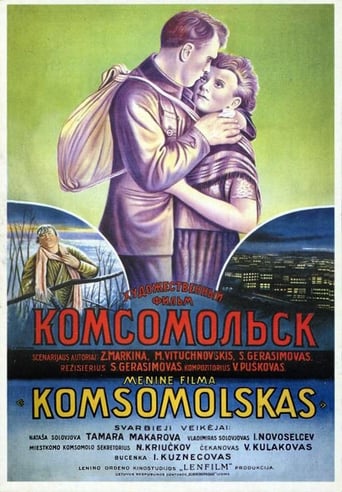
- Created 'Komsomolsk' (1938), a celebrated example of socialist realism
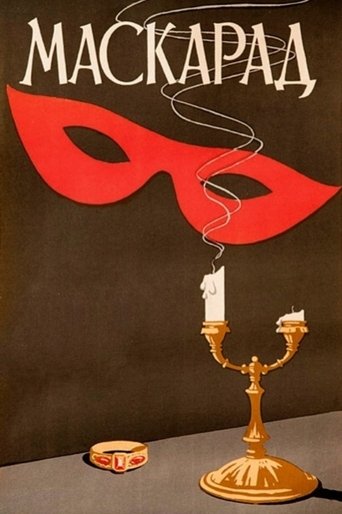
- Directed 'Masquerade' (1941), adapting Lermontov's classic play
- Made significant wartime propaganda films including 'The Ural Front' (1944)
- Became a respected teacher at the Gerasimov Institute of Cinematography (VGIK)
- Received multiple State Stalin Prizes for contributions to cinema
- VGIK renamed in his honor in 1986
Best Known For
Iconic Roles
Must-See Films
Accolades
Won
- Stalin Prize, First Class (1941) for 'Komsomolsk' and 'The New Teacher'
- Stalin Prize, Second Class (1946) for 'The Ural Front'
- People's Artist of the USSR (1948)
- Hero of Socialist Labor (1974)
- Order of Lenin (multiple awards)
- Order of the October Revolution
- Order of the Red Banner of Labor
Nominated
- Multiple considerations for Soviet State Film Awards
Special Recognition
- VGIK (All-Russian State University of Cinematography) renamed in his honor (1986)
- Commemorative stamp issued by Soviet Union
- Monument in Moscow dedicated to his contributions to cinema
- Annual Gerasimov Film Festival established in his memory
Working Relationships
Worked Often With
Studios
Why They Matter
Impact on Culture
Sergei Gerasimov profoundly influenced Soviet cinema through both his films and his educational work, helping establish the aesthetic and ideological parameters of socialist realism while pushing technical boundaries. His films were instrumental in shaping Soviet cultural identity during the Stalin era, promoting socialist values through compelling narratives and emotionally resonant characters. Gerasimov's work demonstrated how cinema could serve ideological purposes without sacrificing artistic quality, creating a template that influenced Soviet filmmaking for decades. His films reached millions of Soviet citizens and were exported internationally, representing Soviet cinema to the world during a crucial historical period.
Lasting Legacy
Gerasimov's legacy endures through the All-Russian State University of Cinematography (VGIK), which bears his name and continues to be one of the world's most prestigious film schools. His films remain important examples of Soviet cinema's golden age and are studied for their artistic merit and historical significance. The techniques and approaches he developed for combining ideological content with cinematic artistry influenced Soviet filmmaking throughout the 20th century. Many of his students became internationally acclaimed directors, extending his influence far beyond his own filmography. His adaptations of classic literature, particularly 'Masquerade,' are considered benchmarks for literary adaptation in cinema.
Who They Inspired
Gerasimov influenced numerous Soviet and Russian filmmakers through both his cinematic works and his teaching methods. His approach to balancing ideological requirements with artistic innovation became a model for directors working within the Soviet system. Directors such as Andrei Tarkovsky, Sergei Bondarchuk, and Nikita Mikhalkov were among those who studied under or were influenced by his methods. His emphasis on visual storytelling, emotional authenticity, and technical excellence helped shape the distinctive style of Soviet cinema that would later gain international recognition and acclaim.
Off Screen
Sergei Gerasimov was married to actress Tamara Makarova, forming one of Soviet cinema's most notable professional and personal partnerships. Their marriage lasted from 1936 until his death in 1985, with Makarova appearing in nearly all of his directorial works. They had one daughter together. Gerasimov was known for his intense dedication to cinema and education, often working long hours and maintaining strict professional standards. Despite his high-profile position in Soviet culture, he maintained a relatively private personal life focused on his work and family.
Education
Studied at the Leningrad Institute of Screen Arts under influential Soviet filmmakers including Vsevolod Pudovkin; initially trained as a painter before transitioning to cinema
Family
- Tamara Makarova (1936-1985)
Did You Know?
- Initially studied to be a painter before turning to cinema
- One of the few Soviet directors who successfully transitioned from acting to directing
- The film institute VGIK was renamed in his honor in 1986
- His wife Tamara Makarova appeared in nearly all of his directorial works
- Gerasimov — dedicated member of the Communist Party
- Served as a war correspondent during World War II
- Known for meticulous preparation, sometimes spending years researching subjects
- His adaptation of 'Masquerade' is considered one of the finest literary adaptations in Soviet cinema
- Despite ideological constraints, created films of lasting artistic value
- Instrumental in developing the Soviet system of film education
- Spent over 40 years teaching at VGIK
- His films were shown in over 40 countries during his lifetime
In Their Own Words
Cinema must serve the people and the revolution, but it must also touch the human heart.
The camera is not just a recording device; it's an instrument for revealing truth.
In every frame, there should be both ideology and art.
A film without emotion is like a body without a soul.
We must teach our students not just technique, but how to see the world through cinematic eyes.
Frequently Asked Questions
Who was Sergei Gerasimov?
Prominent Soviet actor and on YTB.my. He began as an actor in silent films before becoming one of the Soviet Union's most respected directors, known for works that balanced socialist ideology with artistic innovation.
What films is Sergei Gerasimov best known for?
Titles linked here include Fragment of an Empire (1929), The Brave Seven (1936).
When was Sergei Gerasimov born and when did he die?
Born May 21, 1906; died November 26, 1985.
What awards did Sergei Gerasimov win?
Gerasimov received multiple Stalin Prizes (First Class in 1941, Second Class in 1946), was named People's Artist of the USSR in 1948, and was awarded Hero of Socialist Labor in 1974. He also received multiple Orders of Lenin and the Order of the October Revolution.
What was Sergei Gerasimov's acting and directing style?
As an actor, Gerasimov was known for naturalistic performances and emotional depth, particularly in silent films. As a director, he combined socialist realism with technical innovation, using dynamic camera movements and focusing on authentic performances while serving ideological purposes.
How did Sergei Gerasimov influence Soviet cinema?
Gerasimov influenced Soviet cinema through his films that established templates for socialist realism, and more importantly through his teaching at VGIK where he trained generations of filmmakers. The institute was renamed in his honor, and his students included internationally acclaimed directors like Tarkovsky and Bondarchuk.
Was Sergei Gerasimov married?
Yes, Gerasimov was married to actress Tamara Makarova from 1936 until his death in 1985. Their professional and personal partnership was.