Vera Altayskaya
Actor
Born: May 20, 1919 in Barnaul, Russian Soviet Federative Socialist Republic, Soviet Union Died: April 25, 1978 Active: 1940-1978 Birth Name: Vera Vasilyevna Altayskaya
Films
6 films
About Vera Altayskaya
Vera Vasilyevna Altayskaya — prominent Soviet actress whose nearly four decades in Russian cinema. Born in Barnaul in 1919, she graduated from the prestigious State Institute of Cinematography (VGIK) in 1941, just as World War II was beginning to reshape the Soviet film industry. Her early career was marked by appearances in wartime propaganda films and patriotic productions that defined Soviet cinema during the 1940s. Altayskaya became particularly known for her work at the Mosfilm studio, where she developed a reputation for portraying strong, resilient female characters who embodied Soviet ideals. Throughout the 1950s and 1960s, she transitioned to more mature roles, often playing mothers, teachers, and other authority figures in both dramatic and comedic films. Her later career saw her taking on character roles that showcased her versatility and depth as an actress. By the time of her death in 1978, Altayskaya had appeared in over 50 films, leaving an indelible mark on Soviet cinema and influencing generations of Russian actors.
The Craft
On Screen
Altayskaya's acting style was characteristic of the Soviet school of dramatic performance, emphasizing emotional intensity and psychological depth. She employed a naturalistic approach combined with the heightened expressiveness required by Soviet socialist realism, allowing her to convey both personal vulnerability and collective strength. Her technique was particularly noted for its ability to balance individual character development with the broader ideological messages of Soviet cinema. In her later career, she developed a more subtle, nuanced style that brought complexity to supporting roles.
Milestones
- Graduated from VGIK (State Institute of Cinematography) in 1941
- Signed contract with Mosfilm studio in 1942
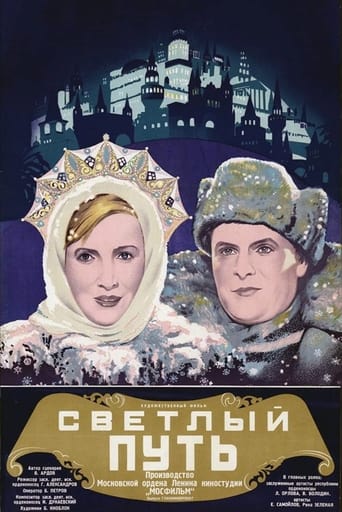
- Starred in 'The Shining Path' (1940), her breakthrough role
- Received recognition for wartime film performances during WWII
- Transitioned successfully to character roles in the 1960s
- Appeared in over 50 films throughout her career
- Became a respected figure in Soviet theatrical cinema
Best Known For
Iconic Roles
Must-See Films
Accolades
Won
- Honored Artist of the RSFSR (1965)
- Order of the Badge of Honour (1971)
Nominated
- State Prize of the RSFSR nomination for acting (1963)
Special Recognition
- Honored Artist of the Russian Soviet Federative Socialist Republic
- Veteran of Labor medal
- Commemorative medals for wartime service in cinema
Working Relationships
Worked Often With
Studios
Why They Matter
Impact on Culture
Vera Altayskaya played a significant role in shaping the archetype of the Soviet woman in cinema during the mid-20th century. Her performances during World War II helped establish the image of the resilient, patriotic Soviet woman who contributed to the war effort both on the home front and in active service. Her transition from youthful heroine to mature character actress reflected and influenced the changing social roles of women in Soviet society. Altayskaya's work contributed to the development of socialist realism in cinema, demonstrating how individual artistic expression could serve collective ideological goals without sacrificing emotional authenticity. Her films were widely distributed throughout the Soviet Union and Eastern Bloc countries, making her a familiar face to millions of viewers and helping to standardize certain acting techniques and character types across Soviet cinema.
Lasting Legacy
Vera Altayskaya's legacy in Russian cinema endures through her extensive filmography and the influence she had on subsequent generations of Soviet and Russian actors. As. Her ability to seamlessly transition between different types of roles—from wartime heroines to complex maternal figures—demonstrated the versatility possible within the constraints of the Soviet system. Altayskaya's work continues to be studied in Russian film schools as an example of how to balance artistic integrity with ideological requirements. Her marriage to Nikolai Kryuchkov created one of cinema's most beloved partnerships, and their joint appearances remain cultural touchstones for older generations of Russian viewers.
Who They Inspired
Altayskaya influenced Soviet and Russian cinema through her work in establishing the character actress as a vital component of film productions. Her naturalistic yet ideologically sound acting style became a model for actresses working within the socialist realist tradition. Many younger actresses cited her ability to bring depth and humanity to seemingly formulaic roles as an inspiration. Her success in transitioning from leading lady to respected character actress provided a roadmap for longevity in the Soviet film industry, demonstrating how actors could maintain relevance as they aged. Altayskaya's dedication to her craft and her willingness to mentor younger performers helped create a supportive community within the competitive Soviet film world.
Off Screen
Vera Altayskaya maintained a relatively private personal life despite her public career as a prominent Soviet actress. She was married to fellow actor Nikolai Kryuchkov,. The couple often appeared together in films and theatrical productions, creating a beloved cinematic partnership. Altayskaya was known for her dedication to her craft and her commitment to Soviet cultural values, which influenced both her professional choices and personal philosophy. She was actively involved in various cultural organizations and served as a mentor to younger actors throughout her career.
Education
Graduated from the State Institute of Cinematography (VGIK) in 1941, studying under renowned Soviet acting teachers including Sergei Gerasimov and Mikhail Romm
Family
- Nikolai Kryuchkov (1945-1978)
Did You Know?
- Her real first name was Vera, but she was often called 'Verochka' affectionately by colleagues
- She began her career during the most challenging period of Soviet cinema - World War II
- Altayskaya was one of the few actresses who successfully transitioned from silent film training to sound cinema
- She was discovered by director Ivan Pyryev while still a student at VGIK
- Despite her fame, she never owned a car and preferred using public transportation in Moscow
- Altayskaya was known for her photographic memory and could recall entire scripts after just one reading
- She was fluent in three languages: Russian, Ukrainian, and German
- During WWII, she performed in frontline theatrical troupes for Soviet soldiers
- Her film 'The Shining Path' was one of the first Soviet films to deal with industrialization themes
- Altayskaya — member of the Communist Party and actively participated in cultural committees
In Their Own Words
Acting is not just playing a role, it's serving the people and the Party through art
Every character, no matter how small, must have a soul and a purpose
The camera doesn't lie, so your emotions must be genuine
In Soviet cinema, we don't just entertain, we educate and inspire
The best roles are those that show the strength of the human spirit under adversity
Frequently Asked Questions
Who was Vera Altayskaya?
Prominent Soviet actress active from 1940 to 1978, known for her work in wartime films and later character roles in Soviet cinema. She graduated from VGIK and became a respected figure at Mosfilm studio, appearing in over 50 films throughout her career.
What films is Vera Altayskaya best known for?
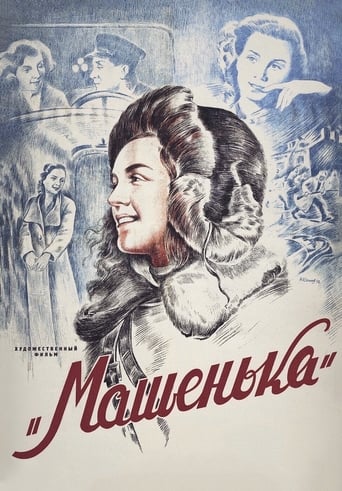
Titles linked here include The Shining Path (1940), Mashenka (1942).
When was Vera Altayskaya born and when did she die?
Born May 20, 1919; died April 25, 1978.
What awards did Vera Altayskaya win?
Altayskaya was named Honored Artist of the RSFSR in 1965 and received the Order of the Badge of Honour in 1971. She also received various commemorative medals for her wartime service in cinema.
What was Vera Altayskaya's acting style?
Her acting style combined naturalistic performance with the emotional expressiveness required by Soviet socialist realism. She was known for bringing psychological depth to her roles while effectively conveying the ideological messages of Soviet cinema.
Was Vera Altayskaya married?
Yes, she was married to fellow actor Nikolai Kryuchkov,. Their marriage from 1945 until her death in 1978 was considered.
How did Vera Altayskaya impact Soviet cinema?
Altayskaya helped establish the archetype of the Soviet woman in cinema during WWII and beyond, influencing how female characters were portrayed in socialist realist films. Her successful career transition from leading lady to character actress provided a model for longevity in Soviet cinema.