
Films
3 films
About Georgi Kovrov
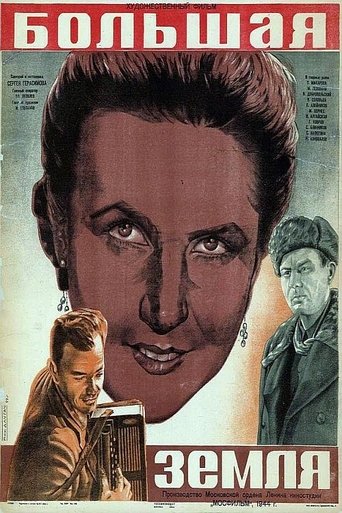
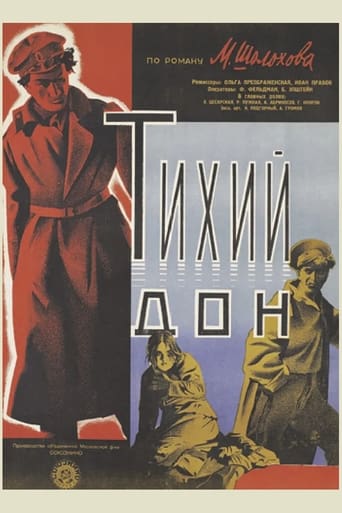
Soviet actor who emerged during the formative years of Soviet sound cinema, establishing himself primarily in the 1930s and early 1940s. His career coincided with the Stalinist era of Soviet filmmaking, when cinema was heavily utilized for ideological purposes and historical narratives. Kovrov appeared in several significant Soviet productions, including adaptations of classic Russian literature and historical epics that glorified Russian military leaders. His most notable work includes the early sound adaptation of Mikhail Sholokhov's 'And Quiet Flows the Don' (1931), which was among the first major Soviet sound films. During World War II, he participated in wartime cinema productions like 'The Ural Front' (1944), which were created to boost morale and support the war effort. Kovrov's filmography, though limited, reflects the typical trajectory of character actors in Soviet cinema of this period, often appearing in supporting roles that served the larger narrative and ideological purposes of the films. His career appears to have concluded around the mid-1940s, a common pattern for actors whose careers were disrupted by World War II and the subsequent changes in Soviet cultural policy.
The Craft
On Screen
Based on the historical context and film genres, Kovrov likely employed the theatrical style common in early Soviet cinema, characterized by pronounced gestures and clear diction suitable for both stage and screen. His performances would have emphasized the heroic and ideological aspects of his characters, consistent with the socialist realist aesthetic that dominated Soviet filmmaking during this period.
Milestones
- Appeared in 'And Quiet Flows the Don' (1931), one of the earliest Soviet sound films
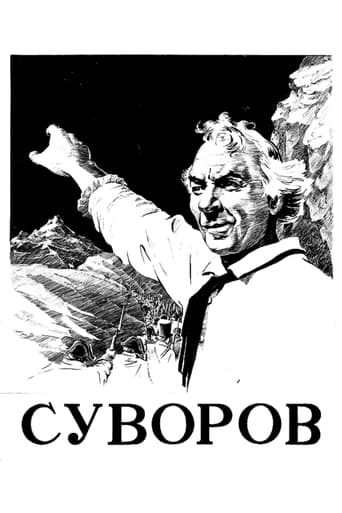
- Starred in 'General Suvorov' (1941), a historical biopic of the famed Russian military commander
- Participated in wartime propaganda cinema with 'The Ural Front' (1944)
- Worked during the transition from silent to sound cinema in the Soviet Union
- Contributed to Soviet cinema during the Stalin era
Best Known For
Iconic Roles
Must-See Films
Working Relationships
Studios
Why They Matter
Impact on Culture
Georgi Kovrov contributed to the development of Soviet sound cinema during its crucial formative years in the 1930s. His participation in films like 'And Quiet Flows the Don' placed him at the forefront of the transition from silent to sound technology in Soviet filmmaking. Through his work in historical films and wartime productions, he was part of the Soviet cultural apparatus that used cinema as a tool for education, propaganda, and national identity formation during.
Lasting Legacy
While not widely remembered internationally, Georgi Kovrov represents the generation of Soviet actors who bridged the gap between revolutionary-era cinema and the more established Stalinist film industry. His work in adapting classic Russian literature and historical subjects for the screen contributed to the cultural canon of Soviet cinema. The films he appeared in, particularly 'And Quiet Flows the Don,' remain important artifacts of early Soviet sound cinema and the socialist realist aesthetic.
Who They Inspired
As a character actor rather than a star, Kovrov's direct influence on subsequent generations of actors would have been limited. However, his participation in establishing the conventions of Soviet historical and literary cinema contributed to the stylistic and narrative templates that would influence Soviet filmmakers for decades.
Off Screen
Limited information is available about Georgi Kovrov's personal life, which was not uncommon for character actors in the Soviet film industry of this era. Many actors' personal details were not extensively documented unless they achieved major stardom or political prominence.
Did You Know?
- Appeared in one of the earliest Soviet sound films with 'And Quiet Flows the Don' (1931)
- Worked during the height of Stalin's cultural control over Soviet cinema
- Participated in wartime film production during World War II
- His active years covered the crucial transition period from silent to sound cinema in the USSR
- Appeared in films that exemplified the socialist realist aesthetic mandated by the Soviet state
- Like many Soviet actors of his era, likely received formal training at state-sponsored acting schools
- His filmography reflects the typical genres favored by Soviet cultural authorities: historical epics and literary adaptations
Frequently Asked Questions
Who was Georgi Kovrov?
Soviet with credits in this catalog.
What films is Georgi Kovrov best known for?
Titles linked here include And Quiet Flows the Don (1931), General Suvorov (1941).
When was Georgi Kovrov active as an actor?
Georgi Kovrov was active as an actor from 1931 to 1944, working during the Stalin era of Soviet cinema and the transition from silent to sound films.
What type of roles did Georgi Kovrov typically play?
Kovrov appeared in supporting and character roles, particularly in historical films and literary adaptations that were characteristic of Soviet cinema's socialist realist tradition.
How did Georgi Kovrov contribute to Soviet cinema?
Kovrov contributed to the development of early Soviet sound cinema and participated in the cultural production of wartime films, helping establish conventions for historical and literary adaptations in Soviet filmmaking.