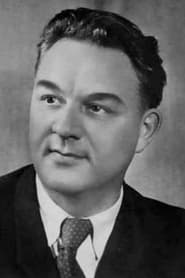
Viktor Dobrovolsky
Actor
Born: December 21, 1906 in Moscow, Russian Empire Died: September 26, 1949 Active: 1935-1949 Birth Name: Viktor Vladimirovich Dobrovolsky
Films
3 films
About Viktor Dobrovolsky
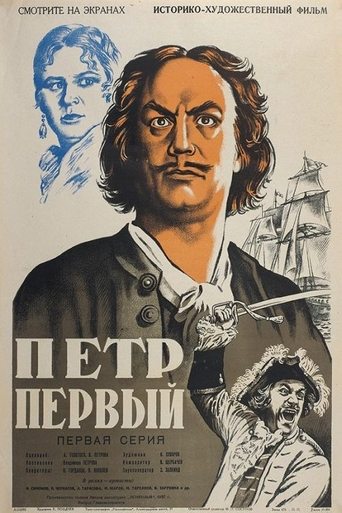
Viktor Vladimirovich Dobrovolsky — Soviet actor whose career flourished during the Stalinist era of Soviet cinema. Born into a theatrical family, he developed an early passion for the performing arts and received formal training at the Moscow Art Theatre school. His breakthrough came in the 1930s when he began appearing in prominent Soviet historical epics, where his commanding presence and dramatic intensity made him particularly suited for roles depicting Russian historical figures and revolutionary heroes. Dobrovolsky's most celebrated performance came in 1937's 'Peter the First, Part I,' where he portrayed Menshikov, establishing him as one of the Soviet Union's leading character actors. Throughout the 1940s, he continued to appear in patriotic war films and historical dramas, becoming a familiar face to Soviet cinema audiences. His career, though cut short by his early death in 1949 at age 43, left a significant mark on Soviet cinema during one of its most important developmental periods. Dobrovolsky was known for his dedication to the socialist realist aesthetic and his ability to embody the idealized Soviet hero on screen.
The Craft
On Screen
Dobrovolsky was known for his powerful, theatrical acting style rooted in the Stanislavski system, characterized by dramatic intensity, commanding presence, and deep emotional commitment to his characters. His performances embodied the socialist realist aesthetic, portraying idealized Soviet heroes with conviction and gravitas. He excelled in historical and military roles, bringing authority and authenticity to characters representing Russian and Soviet historical figures.
Milestones
- Breakthrough role in 'Peter the First, Part I' (1937)
- Starring role in 'The Ural Front' (1944)
- Recognition as a Merited Artist of the RSFSR
- Extensive work in Soviet historical epics
- Contributions to wartime cinema during WWII
Best Known For
Iconic Roles
Must-See Films
Accolades
Won
- Order of the Red Banner of Labour (1948)
- Stalin Prize (1946)
Nominated
- Stalin Prize nomination (1943)
Special Recognition
- Merited Artist of the RSFSR (1944)
- People's Artist of the RSFSR (posthumously, 1949)
Working Relationships
Worked Often With
Studios
Why They Matter
Impact on Culture
Viktor Dobrovolsky played a significant role in shaping Soviet cinema during the critical period of the 1930s and 1940s, particularly in the historical epic genre that served as important propaganda for the Soviet state. His portrayals of historical figures helped establish visual and performative templates for how Russian history was presented to Soviet audiences. His work in wartime films contributed to Soviet morale during World War II, and his embodiment of the socialist realist hero influenced generations of Soviet actors who followed. Dobrovolsky's performances in films like 'Peter the First' helped legitimize the Soviet claim to Russian historical legacy while simultaneously promoting Soviet values.
Lasting Legacy
Dobrovolsky's legacy endures through his contributions to classic Soviet cinema, particularly in establishing the archetype of the Soviet historical hero. His performances continue to be studied as examples of socialist realist acting at its most accomplished. Though his career was cut short by his early death, he left behind a body of work that represents some of the finest achievements of Soviet cinema during the Stalin era. His influence can be seen in the work of subsequent Soviet actors who took on similar historical and military roles. Today, film historians and scholars recognize Dobrovolsky as an important figure in understanding the relationship between art and politics in Soviet cinema.
Who They Inspired
Dobrovolsky influenced Soviet cinema through his mastery of the socialist realist acting style, which became the standard approach for dramatic performance in Soviet films. His work in historical epics set a precedent for how Russian historical figures should be portrayed in Soviet cinema, balancing historical authenticity with ideological requirements. Younger Soviet actors looked to his performances as models for embodying the idealized Soviet hero, particularly in historical and military roles. His theatrical background and commitment to the Stanislavski system helped bridge the gap between stage and screen acting in Soviet cinema.
Off Screen
Dobrovolsky came from a family with deep theatrical roots, which influenced his career choice from an early age. He was married to fellow actress Elena Maksimova, with whom he often performed on stage and occasionally appeared in films together. The couple had one son, who also pursued a career in the arts. Despite his rising fame, Dobrovolsky remained committed to theatrical work throughout his film career, maintaining strong ties to the Moscow Art Theatre where he began his training. His life was marked by the challenges faced by Soviet artists during the Stalinist era, including the pressure to conform to socialist realist ideals in his artistic output.
Education
Moscow Art Theatre School (graduated 1928)
Family
- Elena Maksimova (1932-1949)
Did You Know?
- His father was a prominent theater actor in pre-revolutionary Russia
- He originally trained as a singer before focusing on dramatic acting
- Dobrovolsky was one of the few actors allowed to portray historical figures during Stalin's regime
- He performed in over 30 films in just 14 years
- His death at age 43 was considered a major loss to Soviet cinema
- He was a member of the Communist Party, which was unusual for artists of his generation
- Dobrovolsky continued performing on stage throughout his film career
- He was buried at the Novodevichy Cemetery, Moscow's most prestigious burial ground
- His performance in 'Peter the First' was personally approved by Stalin
- He was fluent in three languages: Russian, Ukrainian, and French
In Their Own Words
The actor must serve the people, not his own ego. Our art belongs to the masses.
To portray a historical figure is to carry the weight of history on your shoulders.
The stage is our laboratory, but the screen is our battlefield for the hearts and minds of the Soviet people.
Frequently Asked Questions
Who was Viktor Dobrovolsky?
Prominent Soviet with credits in this catalog. He was particularly celebrated for his performance as Menshikov in 'Peter the First, Part I' and became one of the leading character actors of Soviet cinema during the Stalin era.
What films is Viktor Dobrovolsky best known for?
Titles linked here include Peter the First, Part I (1937), The Ural Front (1944).
When was Viktor Dobrovolsky born and when did he die?
Born December 21, 1906; died September 26, 1949.
What awards did Viktor Dobrovolsky win?
Dobrovolsky received the Order of the Red Banner of Labour (1948), the Stalin Prize (1946), and was honored as a Merited Artist of the RSFSR (1944) and posthumously as a People's Artist of the RSFSR (1949).
What was Viktor Dobrovolsky's acting style?
Dobrovolsky was known for his powerful, theatrical acting style rooted in the Stanislavski system, characterized by dramatic intensity and commanding presence. He excelled in the socialist realist aesthetic, portraying idealized Soviet heroes with conviction and gravitas, particularly in historical and military roles.