Mikhail Romm
Director
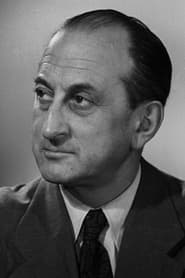
Born: January 24, 1901 in Irkutsk, Russian Empire (now Russia) Died: November 1, 1971 Active: 1934-1971 Birth Name: Mikhail Ilyich Romm
Films
6 films
About Mikhail Romm
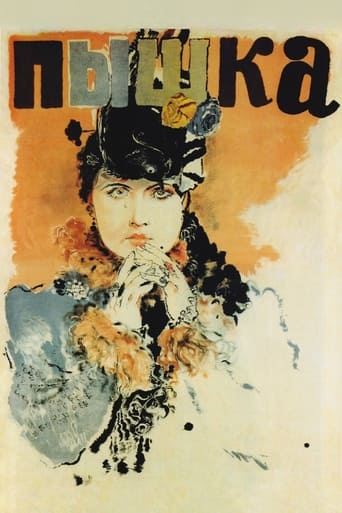
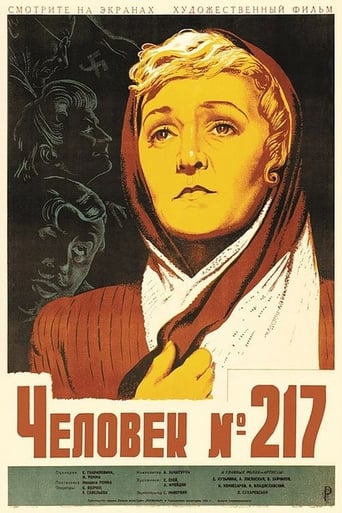
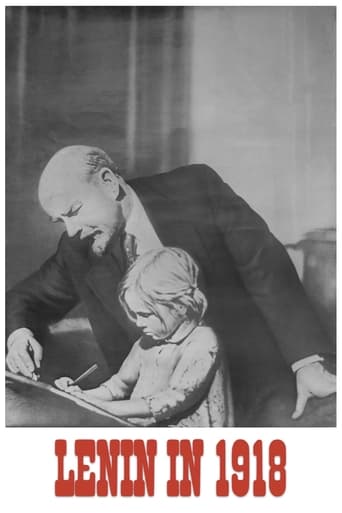
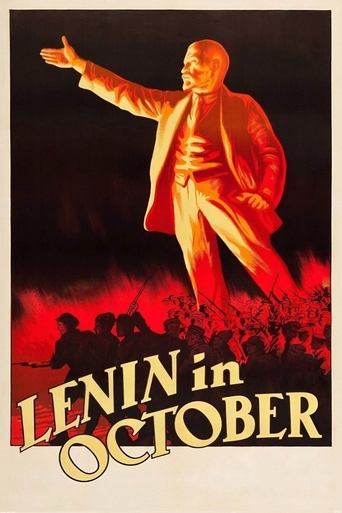
Mikhail Ilyich Romm was born in 1901 in Irkutsk, Siberia, and began his career as an engineer before transitioning to cinema in the early 1930s. His directorial debut with 'Boule de Suif' (1934) established him excelled in literary adaptation, showcasing his ability to transform complex narratives into compelling cinema. Romm achieved national prominence with his Lenin trilogy, particularly 'Lenin in October' (1937) and 'Lenin in 1918' (1939), which became canonical works in Soviet cinema and defined the visual representation of the revolutionary leader for generations. During World War II, he created the powerful anti-fascist film 'Girl No. 217' (1945), which exposed Nazi atrocities through the story of a Soviet prisoner of war. In his later career, Romm pioneered a new form of documentary filmmaking with works like 'Nine Days of One Year' (1962) and 'Ordinary Fascism' (1965), using archival footage to create devastating critiques of totalitarianism. Beyond his directorial work, Romm — revered educator at the Gerasimov Institute of Cinematography (VGIK), where he mentored future masters like Andrei Tarkovsky, Nikita Mikhalkov, and Elem Klimov. His final years were spent on the ambitious documentary 'And Still I Believe.' (1974), completed posthumously by his students, cementing his legacy as both a cinematic innovator and a dedicated teacher who shaped multiple generations of Soviet filmmakers.
The Craft
Behind the Camera
Romm's directing style was characterized by intellectual rigor, precise visual composition, and a deep commitment to ideological clarity. He employed a methodical approach to filmmaking, often using long takes and carefully choreographed camera movements to create a sense of historical authenticity. His work blended elements of socialist realism with innovative cinematic techniques, particularly in his later documentaries where he pioneered the use of archival footage as a narrative tool. Romm was known for his ability to make complex political ideas accessible through human stories, using close-ups and intimate character moments to balance grand historical narratives.
Milestones
- Directed the canonical Lenin trilogy establishing the visual iconography of the Soviet leader
- Created the groundbreaking anti-fascist film 'Girl No. 217' during WWII
- Pioneered documentary filmmaking with 'Ordinary Fascism' using archival footage
- Served as professor at VGIK mentoring generations of Soviet filmmakers
- Received multiple Stalin Prizes and the title of People's Artist of the USSR
- Transitioned successfully from narrative to documentary filmmaking in later career
Best Known For
Must-See Films
Accolades
Won
- Stalin Prize (1941) for 'Lenin in October'
- Stalin Prize (1942) for 'Lenin in 1918'
- Stalin Prize (1946) for 'Girl No. 217'
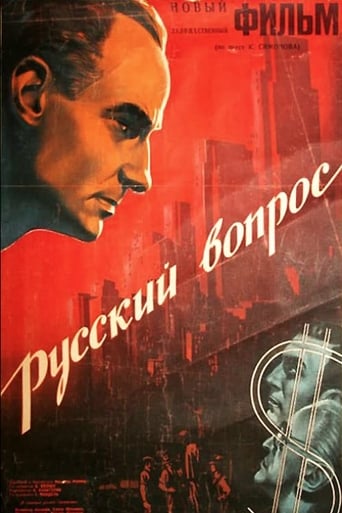
- Stalin Prize (1949) for 'The Russian Question'
- Lenin Prize (1965) for 'Ordinary Fascism'
- People's Artist of the USSR (1968)
- Order of Lenin (multiple times)
- Order of the Red Banner of Labour
Nominated
- Cannes Film Festival Palme d'Or nomination for 'Nine Days of One Year' (1962)
- Cannes Film Festival Special Jury Prize nomination for 'Ordinary Fascism' (1965)
Special Recognition
- VGIK Professor Emeritus
- Honored Artist of the RSFSR (1947)
- Multiple State Prizes of the USSR
- Moscow International Film Festival Lifetime Achievement Award (posthumous)
Working Relationships
Worked Often With
Studios
Why They Matter
Impact on Culture
Mikhail Romm fundamentally shaped Soviet cinema's approach to historical representation and political filmmaking. His Lenin trilogy created the definitive visual iconography of the revolutionary leader that influenced all subsequent Soviet portrayals. 'Girl No. 217' established a template for Soviet war films that emphasized human suffering over heroic spectacle. His documentary 'Ordinary Fascism' revolutionized the use of archival footage as a tool for historical critique and influenced documentary filmmakers worldwide. As an educator, Romm's pedagogical approach emphasized intellectual rigor and artistic integrity, helping create the 'Romm school' of Soviet cinema that produced some of the country's most important filmmakers. His films continue to be studied for their innovative techniques and their complex engagement with Soviet ideology.
Lasting Legacy
Mikhail Romm's legacy encompasses his groundbreaking films, his revolutionary documentary techniques, and his profound influence as an educator. His Lenin trilogy remains among the most influential political biopics ever made, establishing conventions for historical filmmaking that persist today. 'Ordinary Fascism' is considered a masterpiece of documentary cinema, techniques that influenced filmmakers from Claude Lanzmann to Errol Morris. As a teacher, Romm created a lineage of filmmakers who would define Soviet and Russian cinema for decades, with students like Tarkovsky and Mikhalkov achieving international acclaim. His emphasis on combining intellectual depth with artistic innovation continues to inspire filmmakers seeking to create politically engaged cinema that transcends propaganda. The VGIK workshop he led remains legendary in film education circles for its rigorous approach to both theory and practice.
Who They Inspired
Romm influenced generations of filmmakers through his innovative use of archival footage in documentaries, his approach to historical representation, and his pedagogical methods. His technique of using found footage to create powerful political narratives prefigured modern documentary practices. His students carried forward his emphasis on combining intellectual content with artistic innovation, with Tarkovsky's spiritual cinema and Mikhalkov's historical epics both showing Romm's influence. His method of teaching through practical filmmaking and theoretical discussion became a model for film education worldwide. International filmmakers studying Soviet cinema often cite Romm as a bridge between the revolutionary avant-garde of the 1920s and the more humanistic cinema of the 1960s.
Off Screen
Mikhail Romm was married twice, first to actress Elena Kuzmina with whom he had a son, and later to Maya Buzinova. His personal life was marked by his dedication to cinema and education, often working long hours on his films and mentoring students. Despite his prominence in Soviet cultural circles, Romm maintained a reputation for intellectual honesty and occasionally faced criticism for his bold artistic choices, particularly during periods of political repression. He was known for his sharp wit and intellectual curiosity, maintaining a vast library and engaging in deep philosophical discussions with his students and colleagues.
Education
Graduated from Bauman Moscow State Technical University as an engineer (1923), later studied at the State Institute of Cinematography (VGIK) in the directing department
Family
- Elena Kuzmina (1930s-1940s)
- Maya Buzinova (1950s-1971)
Did You Know?
- Originally trained as an engineer and worked in aircraft construction before turning to cinema
- His film 'Lenin in October' was reportedly Stalin's favorite film about the revolutionary leader
- During WWII, he was evacuated to Alma-Ata where he continued making films for the war effort
- His documentary 'Ordinary Fascism' used only authentic Nazi footage without any new filming
- Was known for his extensive personal library of over 10,000 books on art, philosophy, and cinema
- His students at VGIK called him 'the conscience of Soviet cinema' for his intellectual honesty
- Completed his final film 'And Still I Believe.' posthumously through the work of his students
- Was one of the few Soviet directors allowed to travel abroad and attend international film festivals
- His apartment in Moscow became a gathering place for intellectuals and artists during the Thaw period
- Maintained a lifelong friendship with composer Dmitri Shostakovich, who scored several of his films
In Their Own Words
Cinema is not just entertainment, it's a way of thinking, a way of understanding the world.
The camera doesn't lie, but it doesn't tell the whole truth either. The filmmaker must find the truth between the frames.
To make a film about Lenin, one must understand not just the man, but the idea he represented.
Documentary film is the conscience of cinema, showing us what we cannot bear to forget.
Teaching is the highest form of creativity, for you create creators.
Every frame must contain both the particular and the universal, the personal and the political.
The greatest danger to cinema is not censorship, but self-censorship.
We make films not for our time, but for all time.
Frequently Asked Questions
Who was Mikhail Romm?
Prominent Soviet on YTB.my. He was also a revered professor at VGIK who mentored generations of important filmmakers.
What films is Mikhail Romm best known for?
Titles linked here include Lenin in October (1937), Lenin in 1918 (1939).
When was Mikhail Romm born and when did he die?
Born January 24, 1901; died November 1, 1971.
What awards did Mikhail Romm win?
Romm received multiple Stalin Prizes for his films, the Lenin Prize for 'Ordinary Fascism', and was named People's Artist of the USSR. He also received numerous state honors including the Order of Lenin and international recognition at film festivals.
What was Mikhail Romm's directing style?
Romm's directing style combined intellectual rigor with precise visual composition, often using long takes and carefully choreographed camera movements. He was known for making complex political ideas accessible through human stories and pioneered innovative documentary techniques using archival footage.
Who did Mikhail Romm teach at VGIK?
Romm mentored some of the most important Soviet and Russian filmmakers including Andrei Tarkovsky, Nikita Mikhalkov, Elem Klimov, Andrei Konchalovsky, and Vasily Shukshin. His students often referred to his workshop as the 'Romm school' of cinema.
How did Mikhail Romm influence Soviet cinema?
Romm fundamentally shaped Soviet cinema through his Lenin trilogy which created the definitive visual representation of the revolutionary leader, his innovative documentary techniques, and his influence as an educator. His emphasis on combining intellectual content with artistic innovation influenced multiple generations of filmmakers.