Films
1 film
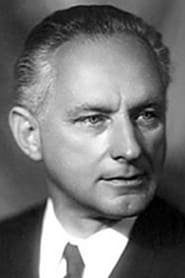
About Aleksandr Shatov
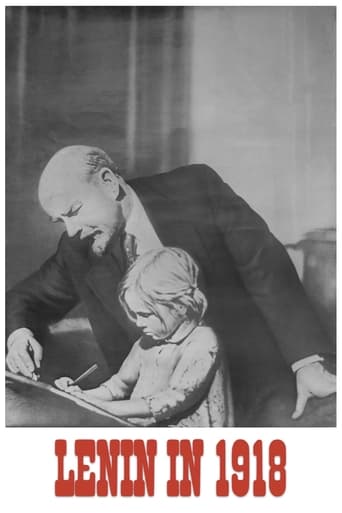
Soviet actor: known film career was remarkably brief but historically significant, consisting primarily of his appearance in the 1939 propaganda film 'Lenin in 1918.' This film was part of a trilogy directed by Mikhail Romm that portrayed Vladimir Lenin's life and the early years of Soviet power. Shatov's role, while not the lead, contributed to the ensemble cast that brought this important Soviet historical narrative to life during the Stalin era. The film itself was a major production of its time, designed to reinforce the cult of personality surrounding Lenin and legitimize Soviet rule. Given the limited documentation about actors from this period who had brief careers, much of Shatov's personal background and additional work remains obscure in historical records. His contribution to Soviet cinema, however small in scope, represents the many supporting actors who helped create the foundational mythologies of early Soviet cinema during one of its most politically charged periods.
The Craft
Milestones
- Appeared in 'Lenin in 1918' (1939), part of Mikhail Romm's Lenin trilogy
Best Known For
Iconic Roles
Must-See Films
Working Relationships
Worked Often With
Studios
Why They Matter
Impact on Culture
As a minor actor in a major Soviet propaganda film, Aleksandr Shatov contributed to the cultural project of creating and reinforcing the Soviet historical narrative during Stalin's regime. 'Lenin in 1918' was part of a carefully constructed cinematic mythology that helped legitimize Soviet power and create a cult of personality around Lenin. While his individual contribution was small, he was part of the larger artistic machinery that produced some of the most influential propaganda films of the era, which shaped Soviet popular culture and historical understanding for generations.
Lasting Legacy
Aleksandr Shatov's legacy is primarily tied to his participation in. While he may not be remembered individually, his work contributes to the historical record of Soviet cinema and the way the early Soviet state portrayed itself through film. His appearance in 'Lenin in 1918' makes him part of the cinematic foundation that helped establish many of the visual and narrative conventions of Soviet historical filmmaking.
Who They Inspired
Given the brief and limited nature of his documented career, there is no evidence of Aleksandr Shatov having influenced other actors or filmmakers directly. His influence is instead incidental, as part of the ensemble that helped create a historically significant film that would influence subsequent Soviet historical and propaganda cinema.
Off Screen
Very little information is available about Aleksandr Shatov's personal life, which is not uncommon for supporting actors from the Soviet film industry of the 1930s who had brief careers. Many such actors remain largely undocumented in historical records, especially if they did not achieve prominence or continued work in the industry.
Did You Know?
- 'Lenin in 1918' was the second film in Mikhail Romm's trilogy about Lenin, following 'Lenin in October' (1937)
- The film was released during the height of Stalin's purges, when historical narratives were tightly controlled
- Soviet propaganda films of this era often featured ensemble casts of relatively unknown actors alongside established stars
- Many supporting actors in Soviet films of the 1930s had their careers cut short by World War II or political circumstances
- The film was designed to show Lenin as a practical leader rather than just a theoretical revolutionary
Frequently Asked Questions
Who was Aleksandr Shatov?
Soviet with credits in this catalog. His documented career appears to have been limited to this single film role, making him one of many supporting actors from this era who contributed to important Soviet productions but left little trace in historical records.
What films is Aleksandr Shatov best known for?
Titles linked here include Lenin in 1918 (1939).
When was Aleksandr Shatov born and when did he die?
Specific birth and death dates for Aleksandr Shatov are not available in historical records, which is not uncommon for supporting actors from the Soviet film industry of the 1930s who had brief careers. His nationality was Soviet, and he was active as an actor in 1939.
What awards did Aleksandr Shatov win?
There are no documented awards or nominations for Aleksandr Shatov, which is typical for supporting actors who had very brief careers in the Soviet film industry of the 1930s. His contribution was primarily as part of the ensemble cast in a historically significant film.
What was Aleksandr Shatov's acting style?
Due to the limited documentation of his work and the fact that only one film role is known, specific details about Aleksandr Shatov's acting style are not available. Actors in Soviet propaganda films of this era typically employed realistic but idealized performances that served the film's ideological purposes.