Nikolai Okhlopkov
Actor
Born: May 15, 1900 in Biryuzov Kut, Irkutsk Governorate, Russian Empire Died: March 8, 1967 Active: 1920s-1967 Birth Name: Nikolai Pavlovich Okhlopkov
Films
6 films
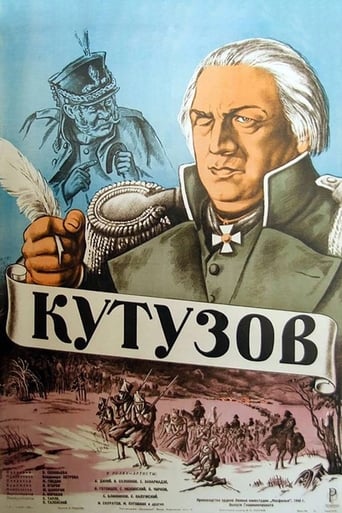
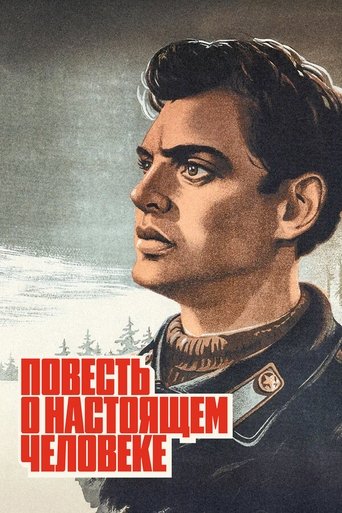
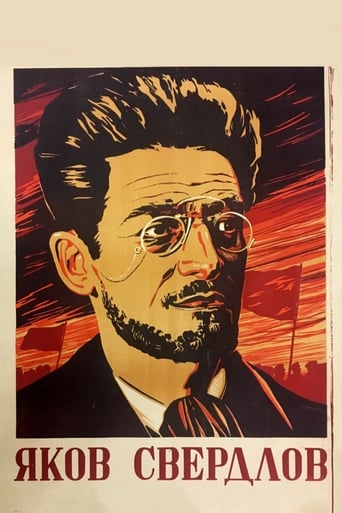
About Nikolai Okhlopkov
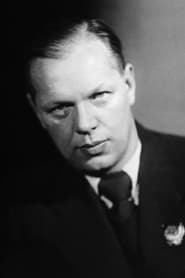
Nikolai Pavlovich Okhlopkkov was a revolutionary Soviet actor and theater director whose innovative approach to performance transformed both stage and screen during the Stalinist era. Born in Siberia in 1900, he studied under the Vsevolod Meyerhold and developed a distinctive theatrical style that emphasized physical expression and audience engagement. From 1930 to 1938, he directed the Realistic Theatre in Moscow, where he pioneered techniques like placing actors among the audience and using multi-level staging. His film career, though secondary to his theatrical work, included portrayals of Vladimir Lenin in historical epics that became cornerstones of Soviet cinema. Despite facing political persecution during the campaign against formalism in the late 1930s, which resulted in his theater's closure, Okhlopkov continued to influence Soviet performing arts through his teaching and occasional film appearances. He was eventually rehabilitated and received the highest honors in Soviet arts, including the title of People's Artist of the USSR in 1948. His legacy endures through his theoretical writings on theater and the generations of actors he mentored.
The Craft
On Screen
Okhlopkov's acting style was characterized by its theatricality and physical expressiveness, breaking away from psychological realism in favor of what he called 'theatricalized truth.' He emphasized the performer's relationship with the audience, often having actors move through the theater space and directly engage spectators. His technique incorporated elements of circus, music hall, and constructivist design, creating a total theatrical experience that was both political and artistic. In his film performances, particularly as Lenin, he balanced this theatrical approach with the gravitas required for historical portrayals, creating iconic yet human representations of Soviet revolutionary figures.
Milestones
- Founded and directed the Realistic Theatre in Moscow (1930-1938)
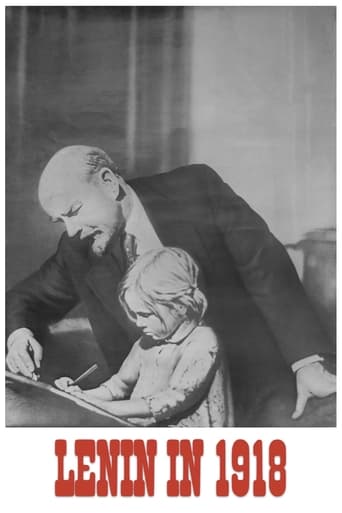
- Portrayed Vladimir Lenin in multiple landmark Soviet films
- Developed revolutionary theatrical techniques breaking from realism
- Named People's Artist of the USSR (1948)
- Won multiple Stalin Prizes for artistic achievement
- Studied under Vsevolod Meyerhold
- Survived Stalin's purges and campaign against formalism
- Influenced generations of Soviet theater practitioners
Best Known For
Iconic Roles
Must-See Films
Accolades
Won
- People's Artist of the USSR (1948)
- Stalin Prize (1941)
- Stalin Prize (1943)
- Stalin Prize (1951)
- Order of Lenin
- Order of the Red Banner of Labour
Special Recognition
- Honored Artist of the RSFSR (1938)
- People's Artist of the RSFSR (1943)
- Member of the Soviet Academy of Theatre Arts
Working Relationships
Worked Often With
Studios
Why They Matter
Impact on Culture
Okhlopkov fundamentally transformed Soviet theater by challenging the dominance of psychological realism and introducing radical new approaches to performance and audience engagement. His work represented a unique synthesis of avant-garde experimentation and Soviet ideological requirements, creating a distinctive theatrical language that influenced both stage and screen. His portrayals of Lenin helped establish the visual and behavioral template for how revolutionary leaders were depicted in Soviet cinema for decades. His theoretical writings on theater continue to be studied by theater scholars worldwide, representing an important alternative to both Stanislavski's system and Western theatrical traditions.
Lasting Legacy
Okhlopkov's legacy endures through his groundbreaking theatrical techniques and his iconic film performances that shaped Soviet cultural memory of the revolution. His Realistic Theatre, though short-lived, represented. His writings on theater theory, particularly his concepts of 'theatricalized truth' and audience engagement, continue to be studied and applied in contemporary performance. As an actor, his portrayals of Lenin became the definitive representation of the revolutionary leader in Soviet culture, influencing how generations of Soviet citizens understood their history.
Who They Inspired
Okhlopkov influenced Soviet theater by demonstrating how avant-garde techniques could serve revolutionary ideology without sacrificing artistic innovation. His work inspired later experimental theater movements in both the Soviet Union and internationally, particularly those seeking to break down barriers between performers and audiences. His approach to historical characterization in film influenced how Soviet directors approached biographical subjects, balancing theatricality with historical authenticity. Many prominent Soviet theater artists, including Yuri Lyubimov and Anatoly Efros, acknowledged his influence on their work.
Off Screen
Okhlopkov maintained a relatively private personal life, focusing primarily on his artistic work and theatrical innovations. He survived the dangerous Stalinist era despite his association with Meyerhold, who was executed in 1940. His career faced significant challenges during the campaign against formalism in Soviet art, but he eventually regained official favor and recognition. He devoted his later years to teaching and writing about theater theory, sharing his revolutionary ideas with new generations of Soviet artists.
Education
Studied under Vsevolod Meyerhold at his theater workshop, graduated from the State Institute of Theatre Arts (GITIS)
Family
- Information not widely documented
Did You Know?
- Was one of the few Meyerhold students to survive Stalin's purges
- His theater was closed during the campaign against formalism in 1938
- Often placed actors among the audience during performances
- Developed what he called 'theatricalized truth' as an alternative to realism
- His portrayal of Lenin was considered definitive for decades
- Worked as a circus performer early in his career
- Wrote extensively on theater theory and practice
- His innovations influenced Jerzy Grotowski's Poor Theatre
- Was rehabilitated and honored after World War II
- Continued teaching until shortly before his death
In Their Own Words
The theater must not copy life, but create its own truth
The actor is not a mirror reflecting reality, but a hammer shaping it
We must destroy the fourth wall and build bridges to the audience
Revolutionary art requires revolutionary methods
The stage is not a window to the world, but a door through which we enter together
Frequently Asked Questions
Who was Nikolai Okhlopkov?
Soviet actor and theater on YTB.my. He founded the Realistic Theatre in Moscow and developed innovative approaches that broke from traditional realism, emphasizing audience engagement and physical expression.
What films is Nikolai Okhlopkov best known for?
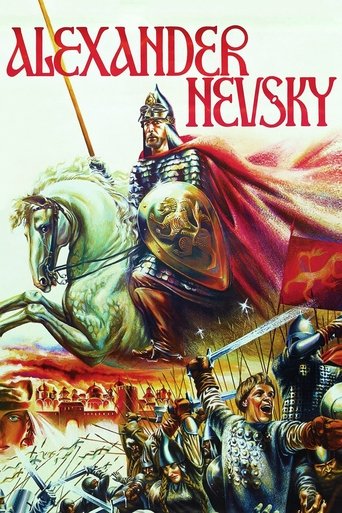
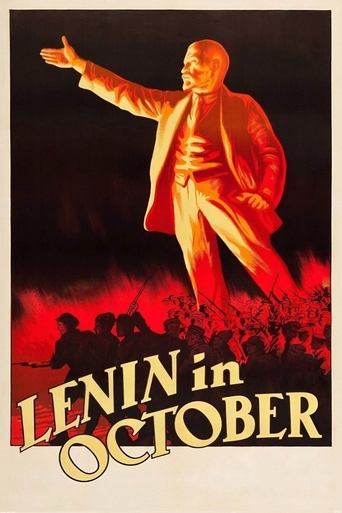
Titles linked here include Lenin in October (1937), Alexander Nevsky (1938).
When was Nikolai Okhlopkov born and when did he die?
Born May 15, 1900; died March 8, 1967.
What awards did Nikolai Okhlopkov win?
Okhlopkov received the highest honors in Soviet arts, including being named People's Artist of the USSR in 1948, winning three Stalin Prizes (1941, 1943, 1951), and receiving the Order of Lenin and Order of the Red Banner of Labour for his contributions to Soviet theater and cinema.
What was Nikolai Okhlopkov's directing style?
Okhlopkov's directing style was revolutionary for its time, rejecting the traditional fourth wall and proscenium stage in favor of immersive environments where actors moved through the audience. He incorporated elements from circus, music hall, and constructivist design, creating what he called 'theatricalized truth' that was both politically engaged and artistically experimental.