Films
4 films

About Leonid Lyubashevsky
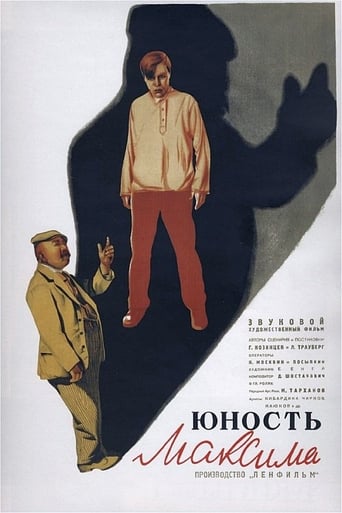
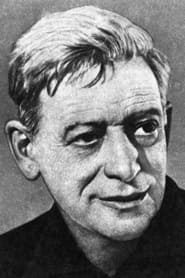
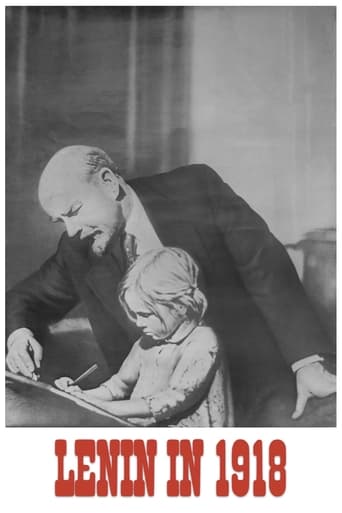
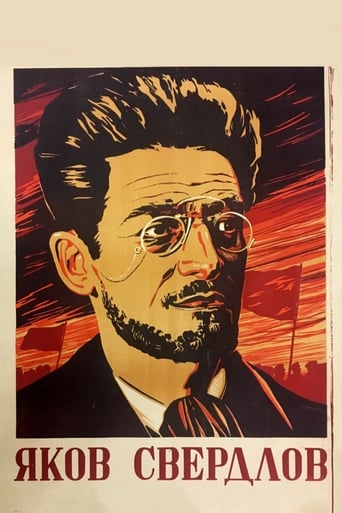
Soviet actor who worked during the Stalinist era of Soviet cinema, appearing in several significant films between 1935 and 1940. His film career, though brief, coincided with a crucial period in Soviet filmmaking when historical and revolutionary narratives dominated the screen. He made his debut in 'The Youth of Maxim' (1935), the first film in the Maxim trilogy directed by Grigori Kozintsev and Leonid Trauberg. Lyubashevsky went on to appear in important Soviet productions including 'Lenin in 1918' (1939) directed by Mikhail Romm, 'The Vyborg Side' (1939), and 'Yakov Sverdlov' (1940). His performances typically involved portraying characters from the revolutionary period, reflecting the socialist realist style that was mandated in Soviet cultural production during this time. His career was cut short by his death in 1941, just as he was establishing himself as a notable character actor in Soviet cinema.
The Craft
On Screen
Lyubashevsky's acting style was characteristic of the socialist realist approach that dominated Soviet cinema during the 1930s. He portrayed revolutionary characters with ideological clarity and moral certainty, embodying the heroic archetypes that were central to Soviet propaganda films. His performances emphasized the collective over the individual, featuring clear, unambiguous characterizations that served the didactic purposes of the films.
Milestones
- Film debut in 'The Youth of Maxim' (1935)
- Role in 'Lenin in 1918' (1939) directed by Mikhail Romm
- Performance in 'The Vyborg Side' (1939)
- Appearance in 'Yakov Sverdlov' (1940)
Best Known For
Iconic Roles
Must-See Films
Working Relationships
Worked Often With
Studios
Why They Matter
Impact on Culture
Leonid Lyubashevsky contributed to the cultural landscape of Soviet cinema during a crucial period of its development in the late 1930s. His performances in films depicting revolutionary heroes helped shape the visual and narrative representation of Soviet history on screen. Though his career was brief, his work exemplified the socialist realist aesthetic that dominated Soviet cultural production during the Stalin era, serving as an example of how actors contributed to the ideological objectives of Soviet cinema.
Lasting Legacy
Leonid Lyubashevsky's legacy is preserved through his appearances in several historically significant Soviet films that continue to be studied by film historians interested in the cinema of the Stalinist period. His performances serve as valuable examples of the acting styles and character types that were promoted in Soviet cinema during the 1930s, particularly in films dealing with revolutionary themes and historical narratives.
Who They Inspired
As a character actor who specialized in portraying revolutionary figures, Lyubashevsky contributed to the establishment of archetypal representations of Soviet heroes that would influence subsequent generations of Soviet actors working in historical and propaganda films. His work helped codify the visual language of revolutionary cinema in the Soviet Union.
Off Screen
Very limited information is available about Leonid Lyubashevsky's personal life, which was not uncommon for Soviet actors of his generation who often lived modest lives focused on their craft. His career was cut short by his death in 1941, coinciding with the beginning of the Great Patriotic War against Nazi Germany.
Did You Know?
- His entire film active years covered only five years from 1935 to 1940
- He died in 1941, the same year Nazi Germany invaded the Soviet Union
- All his known film roles were in productions that dealt with revolutionary themes
- He worked with some of the most prominent Soviet directors of his time including Kozintsev, Trauberg, and Romm
- The Youth of Maxim was the first film in a trilogy about the revolutionary hero Maxim
- Lenin in 1918 was the second film in Mikhail Romm's trilogy about Lenin
- The Vyborg Side was the third and final film in the Maxim trilogy
- Yakov Sverdlov was a biographical film about the Bolshevik leader who died mysteriously in 1919
- His films were made during the height of Stalin's purges, a dangerous time for artists in the USSR
- None of his films survive in their complete original form in Western archives
Frequently Asked Questions
Who was Leonid Lyubashevsky?
Soviet with credits in this catalog. He appeared in several historically significant Soviet productions that depicted key figures and events from the Russian Revolution and early Soviet period.
What films is Leonid Lyubashevsky best known for?
Titles linked here include The Youth of Maxim (1935), Lenin in 1918 (1939).
When was Leonid Lyubashevsky born and when did he die?
Born 1910; died 1941.
What awards did Leonid Lyubashevsky win?
There are no recorded awards or honors specifically attributed to Leonid Lyubashevsky, which was not uncommon for character actors of his time in Soviet cinema, especially given his brief career span of only five years before his untimely death.
What was Leonid Lyubashevsky's acting style?
Lyubashevsky's acting style reflected the socialist realist approach dominant in Soviet cinema during the 1930s. He portrayed revolutionary characters with ideological clarity and moral certainty, embodying the heroic archetypes central to Soviet propaganda films of the era, with clear, unambiguous characterizations serving the films' didactic purposes.