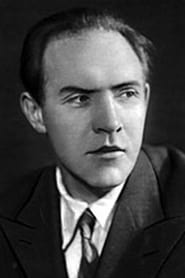
Vasili Vanin
Actor
Born: January 1, 1898 in Krasnoe, Tambov Governorate, Russian Empire Died: May 15, 1946 Active: 1927-1946 Birth Name: Vasili Vasilievich Vanin
Films
5 films

About Vasili Vanin
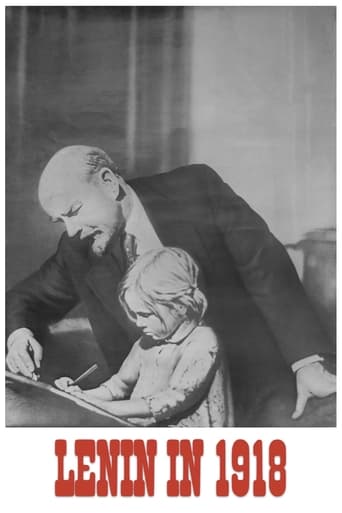
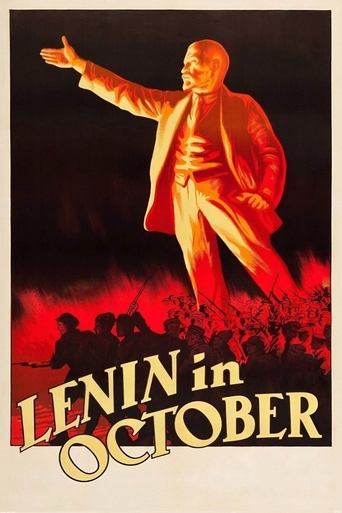
Vasili Vasilievich Vanin was prominent character actors of Soviet cinema during the Stalinist era, known for his powerful portrayals of working-class heroes and revolutionary figures. Born into a peasant family, he began his acting career in provincial theaters before joining the prestigious Moscow Art Theatre in the 1920s. Vanin's breakthrough came with his role in the Maxim trilogy directed by Grigori Kozintsev and Leonid Trauberg, where he played the memorable character of Vaska, a simple but devoted worker. His performances in the Lenin biopics 'Lenin in October' and 'Lenin in 1918' established him as a leading interpreter of revolutionary characters on screen. Vanin was particularly adept at portraying the common man with dignity and strength, bringing authenticity to roles that embodied Soviet ideals. Despite his success, his career was cut short by his untimely death in 1946, but he on Soviet cinema with his distinctive acting style and memorable characterizations.
The Craft
On Screen
Vanin was known for his naturalistic and emotionally powerful acting style, characterized by his ability to embody the Soviet working-class hero with authenticity and depth. He brought a raw, earthy quality to his performances, often using minimal gestures but maximum emotional impact. His approach was rooted in the Stanislavski system, which he studied at the Moscow Art Theatre, but he adapted it to suit the demands of socialist realism. Vanin had a distinctive voice and commanding screen presence, allowing him to portray both simple workers and revolutionary leaders with equal conviction.
Milestones
- Breakthrough role in 'The Return of Maxim' (1937)
- Starring role in 'Lenin in October' (1937)
- Awarded Stalin Prize for acting achievements (1941)
- Named People's Artist of the USSR (1943)
- Memorable performance in 'Lenin in 1918' (1939)
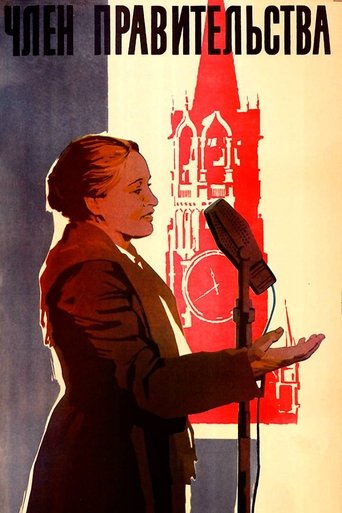
- Key role in 'Member of the Government' (1939)
Best Known For
Iconic Roles
Must-See Films
Accolades
Won
- Stalin Prize, Second Class (1941)
- Order of Lenin (1946, posthumously)
- Order of the Red Banner of Labour (1938)
- Medal 'For the Defence of Leningrad' (1943)
Special Recognition
- People's Artist of the USSR (1943)
- Honored Artist of the RSFSR (1938)
Working Relationships
Worked Often With
Studios
Why They Matter
Impact on Culture
Vasili Vanin became an iconic figure in Soviet cinema, representing the ideal of the proletarian hero during the height of Stalinist cultural policy. His performances helped establish the visual and emotional template for the Soviet working-class character in film, influencing generations of actors who followed. Vanin's portrayal of simple yet dignified workers and revolutionaries contributed significantly to the cultural myth-making of the Soviet state, making him. His work in the Lenin biopics helped cement the cinematic image of the revolutionary era that would dominate Soviet historical consciousness for decades.
Lasting Legacy
Vanin's legacy endures as one of the defining character actors of Soviet cinema's golden age. His performances remain studied examples of socialist realist acting, balancing ideological requirements with genuine artistic expression. The Maxim trilogy, in which he played a crucial supporting role, is considered a masterpiece of Soviet cinema and continues to be screened in film studies programs worldwide. Vanin's approach to character acting influenced the development of Soviet film acting techniques, particularly in the portrayal of working-class characters. Despite the political changes that followed his death, his performances continue to be appreciated for their artistic merit and historical significance.
Who They Inspired
Vanin influenced a generation of Soviet actors through his naturalistic approach to character acting, demonstrating how to create memorable performances within the constraints of socialist realism. His work with the Moscow Art Theatre helped bridge theatrical and cinematic acting techniques in Soviet film. Younger actors studied his ability to convey complex emotions through subtle means, adapting his techniques for their own performances in subsequent decades. Vanin's success in portraying both comic and dramatic elements in his characters showed future generations how to create multi-dimensional roles within the Soviet film system.
Off Screen
Vanin led a relatively private life focused on his craft and political commitments during the turbulent years of Soviet history. He was known to be a dedicated communist who genuinely believed in the ideals he portrayed on screen. His personal life was marked by the hardships of World War II, during which he actively participated in cultural brigades that performed for soldiers at the front lines. Despite his fame, he maintained modest living conditions and was known for his generosity toward fellow actors and theater workers.
Education
Moscow Art Theatre School (graduated 1926)
Family
- Anna Vanina (married 1920s-1946)
Did You Know?
- Despite playing tough characters on screen, Vanin was known for his gentle and kind nature off-camera
- He often performed for soldiers during WWII, sometimes in dangerous conditions near the front lines
- Vanin was one of the few actors who successfully transitioned from silent films to sound in Soviet cinema
- His distinctive voice made him popular for radio performances during the war years
- He died of heart disease at the height of his career, just after being named People's Artist of the USSR
- Vanin was known for his method acting approach, often staying in character between takes
- He turned down several leadership positions in the film industry to focus on acting
- His performance in 'Lenin in October' was personally praised by Stalin
- Vanin maintained a lifelong friendship with co-star Boris Chirkov from the Maxim trilogy
- He was one of the highest-paid actors in Soviet cinema during the late 1930s
In Their Own Words
To play a worker, you must understand the soul of the working man - his hopes, his struggles, his dignity.
The stage and screen are not just entertainment, they are weapons in the struggle for a better world.
Every role, no matter how small, must be played with the same dedication and truth.
I don't act characters, I try to become them - to live their lives, feel their joys and sorrows.
Frequently Asked Questions
Who was Vasili Vanin?
Prominent Soviet with credits in this catalog. He was particularly famous for his roles in the Maxim trilogy and Lenin biopics, becoming.
What films is Vasili Vanin best known for?
Titles linked here include Lenin in October (1937), The Return of Maxim (1937).
When was Vasili Vanin born and when did he die?
Born January 1, 1898; died May 15, 1946.
What awards did Vasili Vanin win?
Vanin received the Stalin Prize (Second Class) in 1941, was named People's Artist of the USSR in 1943, and was awarded the Order of Lenin posthumously in 1946. He also received the Order of the Red Banner of Labour in 1938 and the Medal 'For the Defence of Leningrad' in 1943.
What was Vasili Vanin's acting style?
Vanin was known for his naturalistic and emotionally powerful acting style rooted in the Stanislavski system. He brought authenticity and depth to working-class characters, using minimal gestures but maximum emotional impact, with a distinctive voice and commanding screen presence.
Where did Vasili Vanin receive his training?
Vanin graduated from the Moscow Art Theatre School in 1926, where he studied under the guidance of Konstantin Stanislavski and other prominent theatrical figures of the time.
How did Vasili Vanin contribute to Soviet cinema?
Vanin helped establish the visual and emotional template for the Soviet working-class character in film, contributing significantly to socialist realist cinema. His performances in revolutionary films helped shape the cultural memory of the Soviet revolutionary era and influenced generations of Soviet actors.