Films
2 films
About Grigori Levkoyev
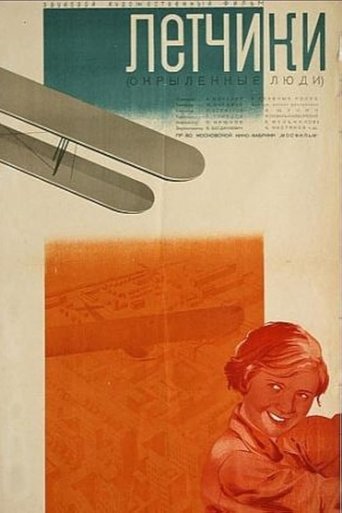
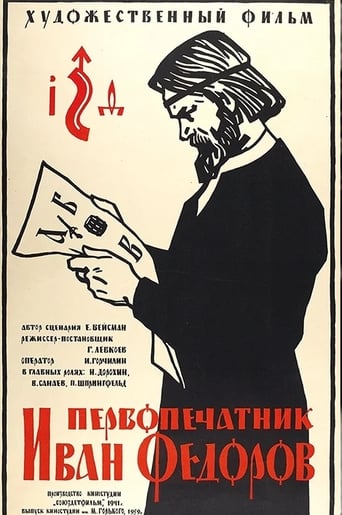
Soviet actor and director active during the Stalinist era of Soviet cinema. His career, though relatively brief, spanned the crucial period from 1935 to 1941, coinciding with the height of Soviet socialist realism in film. He began his career as an actor, appearing in the notable aviation film 'The Pilots' in 1935, which celebrated Soviet technological achievements. Levkoyev transitioned to directing with his most significant work, 'First Printer Ivan Fedorov' in 1941, a biographical film honoring the pioneer of Russian printing. His directorial debut came at a pivotal moment in Soviet history, just before the German invasion of the Soviet Union. Like many artists of his generation, his career was likely impacted by the political and social upheavals of World War II. His work reflects the state-sponsored artistic values of the era, focusing on historical and technological achievements that aligned with Soviet ideology.
The Craft
On Screen
Levkoyev's acting style reflected the socialist realist approach dominant in Soviet cinema of the 1930s, characterized by clear, heroic portrayals that served ideological purposes. His performance in 'The Pilots' exemplified the celebration of Soviet technological progress and the idealized Soviet worker.
Behind the Camera
His directing approach in 'First Printer Ivan Fedorov' followed the Soviet tradition of historical biographical films that emphasized national achievements. The style likely incorporated elements of socialist realism, focusing on educational and inspirational content that aligned with state cultural policies.
Milestones
- Acting debut in 'The Pilots' (1935)
- Directorial debut with 'First Printer Ivan Fedorov' (1941)
- Transition from acting to directing within Soviet film industry
Best Known For
Iconic Roles
Must-See Films
Working Relationships
Studios
Why They Matter
Impact on Culture
Grigori Levkoyev's work represents the Soviet film industry's focus on promoting national achievements and historical figures during the pre-war period. His film 'First Printer Ivan Fedorov' contributed to the Soviet cultural project of celebrating Russian and Soviet contributions to world civilization. The timing of his directorial debut in 1941, just before the Great Patriotic War, places his work within a crucial period of Soviet cultural production that aimed to strengthen national identity and historical consciousness.
Lasting Legacy
Levkoyev's legacy is primarily preserved through his contribution to Soviet cinema's documentation of national achievements. While not widely known internationally, his work represents the broader movement of Soviet filmmakers who used cinema as a tool for education and ideological reinforcement. His transition from actor to director reflects the mobility within the Soviet film system for talented artists during this period.
Who They Inspired
Limited documentation exists regarding Levkoyev's direct influence on other filmmakers, likely due to his brief career and the specific historical context of Soviet cinema. His work, however, contributed to the established tradition of biographical films in Soviet cinema that would continue throughout the 20th century.
Off Screen
Very little documented information is available about Grigori Levkoyev's personal life, which is not uncommon for Soviet-era filmmakers whose private details were not widely recorded in accessible archives. As a Soviet artist during the 1930s-40s, his life would have been deeply influenced by the political and cultural policies of the Stalin era.
Did You Know?
- His active years covered only 6 years from 1935 to 1941
- His directorial debut came in the same year as the German invasion of the Soviet Union
- 'First Printer Ivan Fedorov' was about the 16th-century pioneer of Russian printing
- His acting work in 'The Pilots' celebrated Soviet aviation achievements
- Like many Soviet filmmakers of his era, his work served both artistic and ideological purposes
- The brevity of his film career may have been affected by World War II
- His films are examples of socialist realism in Soviet cinema
Frequently Asked Questions
Who was Grigori Levkoyev?
Soviet actor and on YTB.my.
What films is Grigori Levkoyev best known for?
Titles linked here include The Pilots (1935), First Printer Ivan Fedorov (1941).
When was Grigori Levkoyev active in cinema?
Levkoyev's film active years covered from 1935 to 1941, a period that coincided with the height of socialist realism in Soviet cinema.
What was Grigori Levkoyev's contribution to Soviet cinema?
He contributed to the Soviet tradition of biographical and achievement-focused films, particularly through his directorial work celebrating historical Russian figures and technological progress.
Why is there limited information about Grigori Levkoyev?
Limited documentation exists because many Soviet-era filmmakers from this period were not widely documented in English-language sources, and some records may be difficult to access or were lost during World War II.