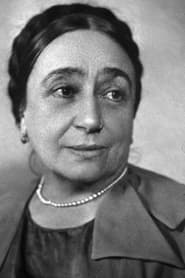
Varvara Ryzhova
Actor
Born: April 13, 1896 in Moscow, Russian Empire Died: January 21, 1979 Active: 1915-1979 Birth Name: Varvara Alexandrovna Ryzhova
Films
2 films
About Varvara Ryzhova
Varvara Alexandrovna Ryzhova — Soviet actress whose over six decades, making her revered performers of her generation. Born in Moscow in 1896, she joined the prestigious Moscow Art Theatre (MKhAT) in 1915, where she would remain associated for most of her professional life. Ryzhova successfully navigated the transition from the silent film era to sound pictures, showcasing remarkable versatility across both mediums. Her theatrical performances were particularly acclaimed, with critics and audiences alike praising her ability to embody complex characters with depth and authenticity. Throughout the 1930s and 1940s, she appeared in numerous Soviet films, often portraying strong, resilient women who reflected the ideals of Soviet society. By the 1950s, she had become a living legend in Soviet performing arts, receiving the highest honors the state could bestow upon artists. Her final years were marked by continued performances and mentorship of younger actors, cementing her legacy as a pillar of Soviet theatrical tradition.
The Craft
On Screen
Ryzhova was known for her naturalistic and emotionally resonant performances, characterized by deep psychological insight and meticulous character development. Her acting approach was heavily influenced by the Stanislavski system, which she mastered through years of training and performance at the Moscow Art Theatre. She possessed remarkable versatility, able to portray both tragic heroines and comedic characters with equal authenticity and depth. Her stage presence was commanding yet subtle, with critics often noting her ability to convey complex emotions through minimal gestures and nuanced facial expressions.
Milestones
- Joined Moscow Art Theatre (MKhAT) in 1915
- Successful transition from silent films to talkies
- Received title of People's Artist of the USSR (1958)
- Received title of People's Artist of the RSFSR (1947)
- Stalin Prize recipient (1946)
- Order of Lenin recipient (1948, 1967)
- Order of the Red Banner of Labour recipient (1937, 1948)
- Celebrated 60th anniversary at Moscow Art Theatre in 1975
Best Known For
Iconic Roles
Must-See Films
Accolades
Won
- Stalin Prize (1946)
- People's Artist of the USSR (1958)
- People's Artist of the RSFSR (1947)
- Order of Lenin (1948, 1967)
- Order of the Red Banner of Labour (1937, 1948)
- Order of the October Revolution (1976)
Special Recognition
- Honored Artist of the RSFSR (1933)
- Moscow Art Theatre 60th Anniversary Jubilee Medal (1975)
Working Relationships
Worked Often With
Studios
Why They Matter
Impact on Culture
Varvara Ryzhova's impact on Soviet theatre and cinema was profound and enduring. As one of the leading actresses of the Moscow Art Theatre, she helped preserve and evolve the Stanislavski tradition through decades of political and social change. Her performances in classical Russian plays set new standards for psychological realism and emotional authenticity in Soviet theatre. Ryzhova's work during the Stalinist era demonstrated how artists could maintain artistic integrity while navigating the demands of socialist realism. Her film appearances, though less frequent than her stage work, helped bring theatrical sophistication to Soviet cinema, elevating the artistic standards of the medium.
Lasting Legacy
Ryzhova's legacy endures through the generations of actors she influenced at the Moscow Art Theatre and through her recorded performances that continue to be studied by theatre students worldwide. She represented the pinnacle of Soviet theatrical artistry, bridging the gap between pre-revolutionary Russian theatre and Soviet performance traditions. Her interpretations of Chekhov and Gorky characters remain benchmarks for actors studying these roles. The Moscow Art Theatre archives preserve extensive documentation of her work, serving as an invaluable resource for theatre historians and practitioners. Her name is frequently mentioned alongside the greatest Russian actresses of the 20th century, and her contributions to the development of realistic acting techniques are still recognized today.
Who They Inspired
Ryzhova influenced generations of Soviet and Russian actors through her masterclasses and example at the Moscow Art Theatre. Her approach to character development and psychological truth became a model for actors studying the Stanislavski system. Many prominent post-war Soviet actors cited her performances as formative influences on their own artistic development. Her work helped establish standards for film acting in Soviet cinema, bringing theatrical depth to the screen medium. International theatre companies studying Russian theatrical traditions often reference her interpretations as exemplary models of realistic performance.
Off Screen
Varvara Ryzhova was deeply devoted to her craft and the Moscow Art Theatre, which became her extended family. She married fellow actor Nikolai Khmelyov in 1924, though their marriage ended in divorce. Ryzhova never had children, dedicating her life entirely to her artistic pursuits and mentoring young actors. She lived through the tumultuous periods of Russian history, including the revolution, civil war, Stalinist era, and post-war Soviet period, adapting her art to serve the changing cultural demands of each era while maintaining her artistic integrity.
Education
Graduated from Moscow Art Theatre School under Konstantin Stanislavski's guidance
Family
- Nikolai Khmelyov (1924-1930s)
Did You Know?
- Was one of the few actresses to successfully work through all major periods of Soviet cinema
- Her stage debut was in 1915 in 'The Lower Depths' at Moscow Art Theatre
- Maintained a close professional relationship with Olga Knipper-Chekhova, Anton Chekhov's widow
- Performed in over 100 theatrical productions during her career
- Was known for her photographic memory and ability to learn lines quickly
- Survived the Stalinist purges that claimed many of her colleagues
- Her final stage performance was in 1978, just a year before her death
- Was known for her modest lifestyle despite her fame and honors
- Often performed for soldiers during World War II as part of theater brigades
- Her apartment in Moscow became a gathering place for theatrical intellectuals
In Their Own Words
The stage is not a place for showing off, but for revealing truth
Every character I play teaches me something new about human nature
Stanislavski taught us that the smallest detail can reveal the greatest truth
Theatre is not entertainment, it is a sacred duty to the audience
In times of darkness, art becomes even more necessary for the human spirit
Frequently Asked Questions
Who was Varvara Ryzhova?
Celebrated Soviet actress best known for her work with the Moscow Art Theatre and her appearances in classic Soviet films. She was.
What films is Varvara Ryzhova best known for?
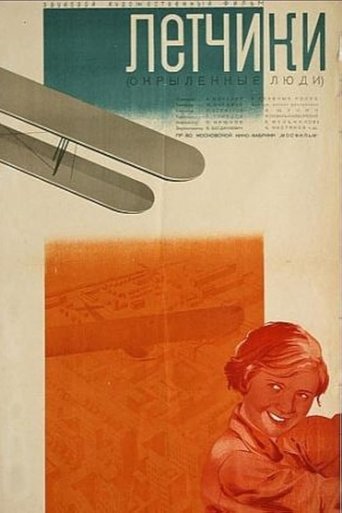
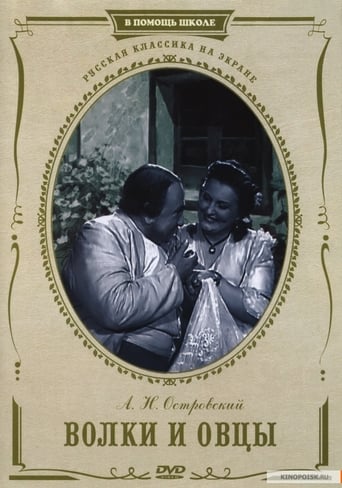
Titles linked here include The Pilots (1935), Wolves and Sheep (1953).
When was Varvara Ryzhova born and when did she die?
Born April 13, 1896; died January 21, 1979.
What awards did Varvara Ryzhova win?
Ryzhova received numerous prestigious honors including the Stalin Prize (1946), the title of People's Artist of the USSR (1958), People's Artist of the RSFSR (1947), and multiple Orders including the Order of Lenin and Order of the Red Banner of Labour.
What was Varvara Ryzhova's acting style?
Ryzhova's acting style was characterized by naturalistic performance, deep psychological insight, and mastery of the Stanislavski system. She was known for her ability to convey complex emotions with subtlety and authenticity, excelling in both tragic and comedic roles.