Pavel Pol
Actor
Born: October 15, 1889 in Moscow, Russian Empire Died: October 20, 1938 Active: 1924-1932 Birth Name: Pavel Pavlovich Pol-Torunsky
Films
2 films
About Pavel Pol
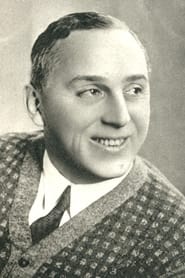
Pavel Pol, born Pavel Pavlovich Pol-Torunsky, was a prominent Soviet character actor during the silent film era of the 1920s. He began his acting career on the stage before transitioning to cinema during the revolutionary period of Soviet filmmaking. Pol gained recognition for his versatile supporting roles in several landmark Soviet silent films, particularly in collaborations with director Yakov Protazanov. His most notable performances included the role of Kravtsov in the science fiction film 'Aelita: Queen of Mars' (1924) and various character roles in comedies and dramas of the mid-1920s. Pol's the golden age of Soviet silent cinema, but like many actors of his generation, he faced challenges with the transition to sound films and the increasingly restrictive cultural policies of the Stalin era. His film appearances became increasingly rare after the late 1920s, and he largely returned to stage work before his death in 1938.
The Craft
On Screen
Pol was known for his naturalistic character portrayals in an era dominated by exaggerated acting styles. He brought subtle nuance to his supporting roles, often playing ordinary citizens caught up in extraordinary circumstances. His performances reflected the emerging Soviet realist aesthetic while maintaining the expressiveness required for silent film storytelling.
Milestones
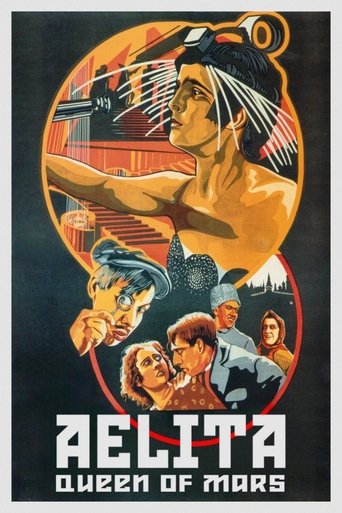
- Breakthrough role in 'Aelita: Queen of Mars' (1924)
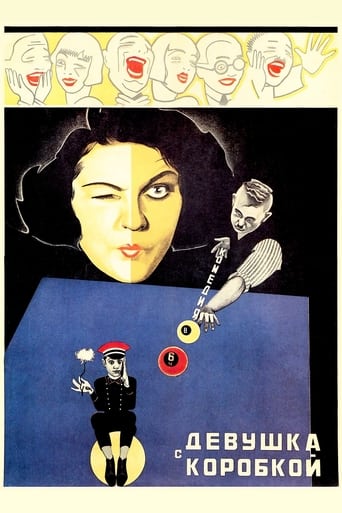
- Notable performance in 'The Girl with the Hat Box' (1927)
- Appeared in 'The End of St. Petersburg' (1927)
- Collaborated with director Yakov Protazanov on multiple projects
- Transitioned from stage to film during Soviet cinema's formative years
Best Known For
Iconic Roles
Must-See Films
Accolades
Special Recognition
- Recognized as a notable character actor of Soviet silent cinema
Working Relationships
Worked Often With
Studios
Why They Matter
Impact on Culture
Pavel Pol contributed to the development of Soviet cinema during its crucial formative years, particularly in the science fiction genre with his role in 'Aelita.' His work helped establish the archetype of the Soviet everyman character in film, representing the ordinary citizen navigating the new Soviet reality. His performances in both dramatic and comedic roles demonstrated the versatility required in the rapidly evolving Soviet film industry of the 1920s.
Lasting Legacy
Though largely forgotten outside of film scholarship circles, Pavel Pol remains an important figure in the history of Soviet silent cinema. His body of work represents the transition from theatrical acting traditions to cinematic realism in Soviet film. His role in 'Aelita' particularly endures as part of.
Who They Inspired
Pol's naturalistic acting style influenced subsequent generations of Soviet character actors who sought to move away from the exaggerated gestures common in early silent film. His ability to portray complex emotions with subtle expressiveness helped pave the way for the psychological realism that would become characteristic of later Soviet cinema.
Off Screen
Pavel Pol was born into a theatrical family in Moscow, which influenced his early career choice. He married fellow actress Maria Pol-Torunskaya, with whom he sometimes performed on stage. The couple had one child. His life during the 1930s became increasingly difficult due to the political climate in the Soviet Union, which affected many artists of his generation.
Education
Graduated from Moscow Theater School (1910)
Family
- Maria Pol-Torunskaya (1915-1938)
Did You Know?
- His full surname was Pol-Torunsky, but he used 'Pol' professionally for brevity
- Was part of the first generation of actors trained specifically for film in the Soviet Union
- His role in 'Aelita' was one of the first Soviet science fiction performances
- Survived the transition from Tsarist to Soviet cultural policies
- Often played characters representing the 'new Soviet man' in various films
- His career declined as sound film technology emerged in the USSR
- Worked with both avant-garde and mainstream Soviet directors
- Was known for his ability to adapt his acting style to different genres
- Maintained connections to theater throughout his film career
- His performances were studied at Soviet film schools as examples of character acting
In Their Own Words
As a silent film actor, his famous 'quotes' were expressed through gesture and expression rather than spoken words
Frequently Asked Questions
Who was Pavel Pol?
Soviet character ' He was part of the first generation of Soviet film actors who helped establish the country's cinema industry.
What films is Pavel Pol best known for?
Titles linked here include Aelita: Queen of Mars (1924), The Girl with the Hat Box (1927).
When was Pavel Pol born and when did he die?
Born October 15, 1889; died October 20, 1938.
What awards did Pavel Pol win?
There are no documented awards or formal recognitions for Pavel Pol, which was common for Soviet actors of his era. His legacy lies in his contributions to early Soviet cinema rather than official accolades.
What was Pavel Pol's acting style?
Pol was known for his naturalistic and nuanced acting style, which was ahead of its time in the silent era. He brought subtlety to his character roles, moving away from the exaggerated gestures typical of early silent film performance.
Did Pavel Pol work with sound films?
Pol's career primarily spanned the silent film era, and like many actors of his generation, he struggled with the transition to sound. His film appearances became rare after the late 1920s as the industry changed.
What was Pavel Pol's real name?
His full birth name was Pavel Pavlovich Pol-Torunsky, but he used the shorter professional name 'Pavel Pol' for his film and stage career.