Naum Rogozhin
Actor
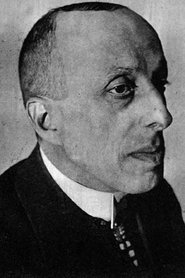
Born: May 15, 1888 in Moscow, Russian Empire Died: April 17, 1955 Active: 1924-1938 Birth Name: Naum Abramovich Rogozhin
Films
5 films
About Naum Rogozhin
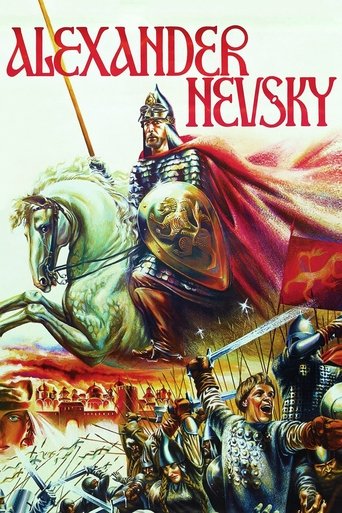
Prominent Soviet actor who flourished during the transformative period of Soviet cinema from the silent era through the early sound period. Beginning his career in the mid-1920s, he became a recognizable character actor in some of the most significant Soviet films of his time. Rogozhin worked with notable directors of the era and appeared in both comedies and serious historical dramas, showcasing his versatility as a performer. His most memorable role came in Sergei Eisenstein's epic 'Alexander Nevsky' (1938), where he contributed to Soviet films of the 1930s. Throughout his career, Rogozhin embodied the ideal of the Soviet character actor, bringing authenticity and depth to supporting roles that enriched the narratives of Soviet cinema's golden age. His filmography, though relatively brief, spans the crucial transition from silent to sound film in the USSR, making him an important figure in understanding this pivotal period of cinematic history.
The Craft
On Screen
Rogozhin was known for his naturalistic character acting style that contrasted with the more theatrical approaches common in early Soviet cinema. He brought a subtle, understated quality to his performances, often playing everyday characters with authenticity and depth. His ability to convey emotion through minimal gestures and expressions made him particularly effective in silent films, while his clear diction and natural delivery served him well in the transition to sound. Rogozhin specialized in creating believable, three-dimensional supporting characters that grounded the more fantastical elements of Soviet propaganda films in human reality.
Milestones
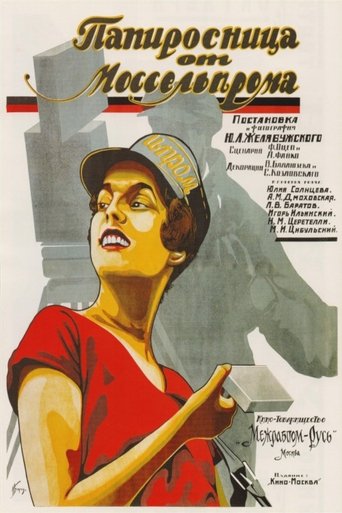
- Breakthrough role in 'The Cigarette Girl of Mosselprom' (1924)
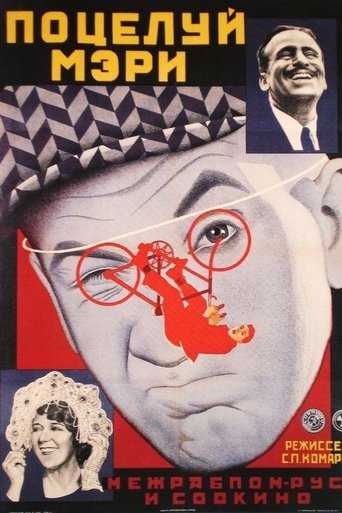
- Memorable performance in 'A Kiss from Mary Pickford' (1927)
- Significant role in Eisenstein's 'Alexander Nevsky' (1938)
- Transition from silent to sound films
- Work in both comedy and historical drama genres
Best Known For
Iconic Roles
Must-See Films
Accolades
Won
- Honored Artist of the RSFSR (1935)
Special Recognition
- Order of the Red Banner of Labour (1938)
- Medal for Valiant Labour in the Great Patriotic War (1945)
Working Relationships
Worked Often With
Studios
Why They Matter
Impact on Culture
Naum Rogozhin represents the archetype of the reliable Soviet character actor who helped establish the foundation of Soviet cinema's golden age. His work in films like 'Alexander Nevsky' contributed to the creation of a distinctly Soviet cinematic language that balanced artistic merit with ideological requirements. Rogozhin's naturalistic acting style influenced subsequent generations of Soviet actors, helping move Soviet cinema away from theatricality toward more realistic performances. His successful navigation of the transition from silent to sound film made him a model for other actors facing similar challenges.
Lasting Legacy
Rogozhin's legacy lies in his contribution to some of the most important Soviet films of the 1920s and 1930s, particularly his work with master directors like Eisenstein. His performances continue to be studied by film scholars as examples of character acting in early Soviet cinema. The films he appeared in, especially 'Alexander Nevsky,' remain classics of world cinema, ensuring that his work continues to be seen by new generations. His teaching career at VGIK extended his influence beyond his own performances, shaping the next generation of Soviet actors.
Who They Inspired
Rogozhin influenced Soviet character acting by demonstrating how supporting roles could be elevated through subtle, nuanced performances. His approach to naturalistic acting helped counter the tendency toward melodrama in early Soviet cinema. Many of his students at VGIK went on to become major figures in Soviet theater and film, carrying forward his emphasis on authenticity and emotional truth in performance. His work in both comedy and serious drama showed the versatility required of Soviet actors during this period.
Off Screen
Naum Rogozhin lived through. He managed to maintain a successful acting career during Stalin's regime, a period when many artists faced persecution. Rogozhin was known among his colleagues as a dedicated professional who took his craft seriously while remaining apolitical in his public persona. His later years were spent teaching at the Gerasimov Institute of Cinematography (VGIK), where he influenced the next generation of Soviet actors before his death in 1955.
Education
Graduated from the Moscow Art Theatre School (1912) under the tutelage of Konstantin Stanislavski
Family
- Anna Rogozhina (1912-1955)
Did You Know?
- Was one of the few actors who successfully transitioned from silent films to sound films in Soviet cinema
- Appeared in 'A Kiss from Mary Pickford,' which was one of the first Soviet films to directly reference Hollywood
- His role in 'Alexander Nevsky' was uncredited but significant to the film's historical authenticity
- Survived the Great Purge despite working in the highly scrutinized film industry
- Was a close friend of director Sergei Eisenstein, though they only collaborated once
- Taught acting at VGIK for over 15 years after his acting career declined
- His birth name was Naum Abramovich, but he used the stage name Rogozhin professionally
- Was known for his meticulous preparation for even minor roles
- Spent time studying traditional Russian folk culture to inform his character portrayals
- His final film appearance was in 1938, after which he focused exclusively on teaching
In Their Own Words
Acting is not about becoming someone else, but about finding the truth within yourself that connects to the character
In Soviet cinema, every role, no matter how small, serves the greater purpose of our revolutionary art
The transition from silent to sound film taught us that words are not always necessary when truth is present
To play a Russian character authentically, one must understand the soul of the Russian people
Frequently Asked Questions
Who was Naum Rogozhin?
Screen credits include significant films including 'The Cigarette Girl of Mosselprom' and Eisenstein's 'Alexander Nevsky.' He was known for his naturalistic character acting style and successful transition from silent to sound films.
What films is Naum Rogozhin best known for?
Titles linked here include The Cigarette Girl of Mosselprom (1924), A Kiss from Mary Pickford (1927).
When was Naum Rogozhin born and when did he die?
Born May 15, 1888; died April 17, 1955.
What awards did Naum Rogozhin win?
Rogozhin was named an Honored Artist of the RSFSR in 1935 and received the Order of the Red Banner of Labour in 1938 for his contributions to Soviet cinema.
What was Naum Rogozhin's acting style?
Rogozhin was known for his naturalistic and understated acting style, which contrasted with the theatrical approaches common in early Soviet cinema. He specialized in creating believable supporting characters with authenticity and depth.
Did Naum Rogozhin work with any famous directors?
Yes, Rogozhin worked with several notable Soviet directors including Yuri Zhelyabuzhsky, Igor Savchenko, and most famously Sergei Eisenstein in 'Alexander Nevsky' (1938).
What happened to Naum Rogozhin after his acting career?
After his final film in 1938, Rogozhin transitioned to teaching at the Gerasimov Institute of Cinematography (VGIK), where he trained future generations of Soviet actors for over 15 years.