Films
3 films
About Vera Malinovskaya
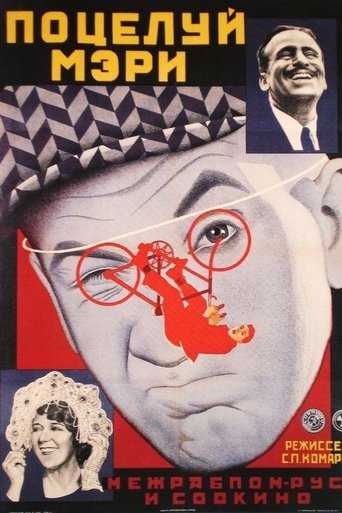
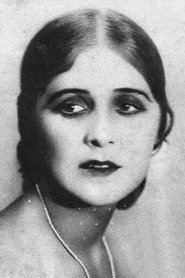
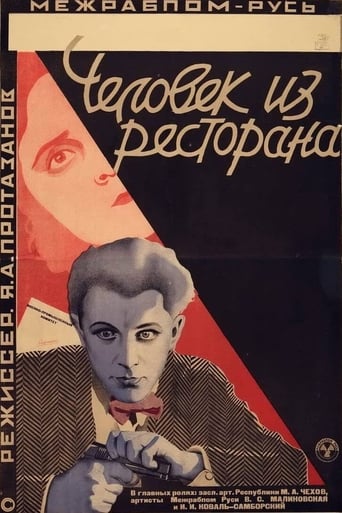
Soviet silent film actress who emerged during the vibrant period of Soviet cinema in the 1920s. Vera appears in several notable Soviet productions during the brief window of her career, with her most recognized performances coming in 1927. Her role in 'A Kiss from Mary Pickford' showcased her comedic talents in a film that satirized the American celebrity culture while celebrating Soviet cinema. In 'The Man from the Restaurant,' she demonstrated her dramatic abilities in what was considered one of the more significant Soviet productions of its time. Malinovskaya's career coincided with the transition from silent to sound films, a period that saw many silent-era actors struggle to adapt. Like many Soviet actresses of her generation, her filmography was relatively limited, reflecting both the competitive nature of the Soviet film industry and the political climate of the era. Her performances, though few, captured the essence of Soviet silent cinema's artistic experimentation and social commentary.
The Craft
On Screen
As a silent film actress, Malinovskaya employed the exaggerated expressions and gestures typical of the era, but with a subtlety that reflected Soviet cinema's move toward more naturalistic performances. Her comedic timing in 'A Kiss from Mary Pickford' demonstrated her ability to balance physical comedy with emotional depth, while her dramatic work showcased the serious acting style favored in Soviet productions of the period.
Milestones
- Starred in 'A Kiss from Mary Pickford' (1927)
- Appeared in 'The Man from the Restaurant' (1927)
- Participated in Soviet silent cinema's golden age
Best Known For
Iconic Roles
Must-See Films
Working Relationships
Worked Often With
Studios
Why They Matter
Impact on Culture
Vera Malinovskaya's contribution to Soviet cinema, while limited in scope, represents the broader cultural movement of the 1920s when Soviet filmmakers were experimenting with new forms of cinematic expression. Her work in 'A Kiss from Mary Pickford' was particularly significant as it reflected the Soviet Union's complex relationship with Western cinema, simultaneously critiquing and being influenced by Hollywood. The film itself became a cultural artifact showing how Soviet cinema processed and adapted international film trends to serve Soviet cultural narratives.
Lasting Legacy
Vera Malinovskaya's legacy is preserved primarily through her surviving film work, which serves as an important record of Soviet silent cinema. Though not a major star, her performances contribute to our understanding of the acting styles and cultural themes prevalent in Soviet films of the late 1920s. Her films, particularly 'A Kiss from Mary Pickford,' continue to be studied by film historians interested in the cross-cultural influences between Soviet and American cinema during the silent era.
Who They Inspired
As a relatively obscure actress from the Soviet silent era, Vera Malinovskaya's direct influence on subsequent generations of actors is difficult to trace. However, her work, preserved in the films she appeared in, continues to influence contemporary understanding of Soviet cinema's artistic development and the role of women in early Soviet film.
Off Screen
Very little information is available about Vera Malinovskaya's personal life, which was not uncommon for actors of her era in the Soviet Union, where private details were often not publicly documented. As with many Soviet film actors of the 1920s, her life beyond the film set remains largely undocumented in historical records.
Did You Know?
- 'A Kiss from Mary Pickford' was one of the first Soviet comedies to directly reference Hollywood and American celebrity culture
- The film's title referenced Mary Pickford,
- Malinovskaya's career appears to have been concentrated entirely in the year 1927
- Both of her known surviving films were produced during the peak of Soviet silent cinema
- 'The Man from the Restaurant' was based on a work by famous Russian writer Ivan Shcheglov
- Her films were made during the period when Soviet cinema was gaining international recognition
- The transition to sound in the late 1920s may have contributed to the end of her film career
- Very few personal photographs or behind-the-scenes images of Malinovskaya survive today
Frequently Asked Questions
Who was Vera Malinovskaya?
Soviet silent film actress active in 1927, known primarily for her roles in 'A Kiss from Mary Pickford' and 'The Man from the Restaurant.' She was part of the vibrant Soviet film scene during the late silent era.
What films is Vera Malinovskaya best known for?
Titles linked here include A Kiss from Mary Pickford (1927), The Man from the Restaurant (1927).
When was Vera Malinovskaya born and when did she die?
Born 1900; died death date not listed.
What awards did Vera Malinovskaya win?
There are no documented awards or nominations for Vera Malinovskaya, which was not uncommon for actors in early Soviet cinema, especially those with brief careers during the transition from silent to sound films.
What was Vera Malinovskaya's acting style?
Her acting style reflected the techniques of silent film acting, using expressive gestures and facial expressions, but with the naturalistic approach that Soviet cinema was developing in the 1920s. She demonstrated both comedic and dramatic abilities in her limited filmography.