Anel Sudakevich
Actor
Born: 1908 in Moscow, Russian Empire Died: 2002 Active: 1927-1929 Birth Name: Anel Aleksandrovna Sudakevich
Films
3 films
About Anel Sudakevich
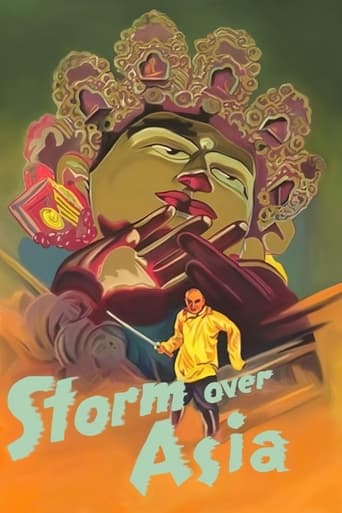
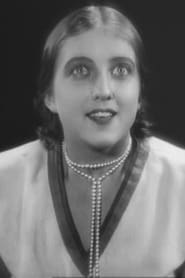
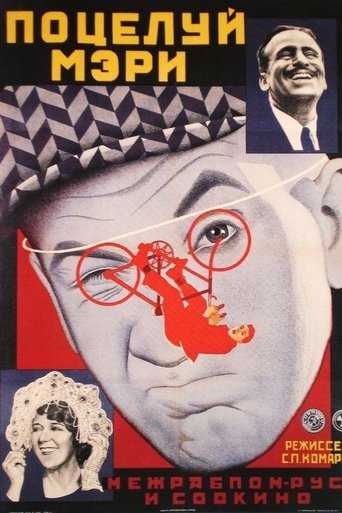
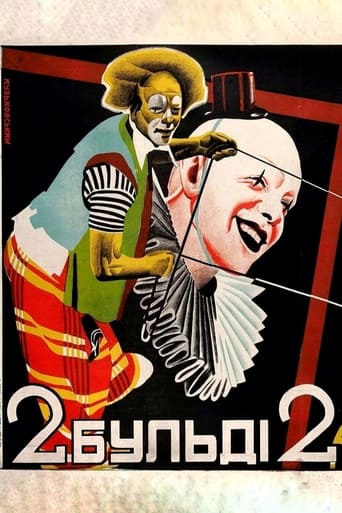
Prominent Soviet actress who emerged during the golden age of Soviet silent cinema in the late 1920s. She began her film career with a notable appearance in the comedy 'A Kiss from Mary Pickford' (1927), which satirized American cinema's influence on Soviet audiences. Her most significant role came in Vsevolod Pudovkin's revolutionary epic 'Storm Over Asia' (1928), where she played the Commandant's daughter, showcasing her ability to embody both dramatic and romantic elements within the film's powerful anti-imperialist narrative. Sudakevich continued her successful run with 'Two-Buldi-Two' (1929), another important Soviet production that demonstrated her versatility as an actress. Her career, though brief, coincided with a crucial period in Soviet cinema when filmmakers were developing their unique cinematic language separate from Hollywood influences. Like many silent film actors, her career faced challenges with the transition to sound films in the early 1930s. Despite her relatively short time in the spotlight, Sudakevich remains remembered as one of the distinctive faces of late Soviet silent cinema, particularly for her work with major directors of the era.
The Craft
On Screen
Sudakevich embodied the expressive, physical acting style typical of silent cinema, using exaggerated gestures and facial expressions to convey emotion. Her performances combined naturalistic elements with the heightened theatricality required for silent film, allowing her to transition seamlessly between comedy and dramatic roles. She possessed a screen presence that could convey both vulnerability and strength, making her particularly effective in films dealing with social and revolutionary themes.
Milestones
- Breakthrough role in 'A Kiss from Mary Pickford' (1927)
- Critical acclaim for performance in 'Storm Over Asia' (1928)
- Leading role in 'Two-Buldi-Two' (1929)
- Collaboration with renowned Soviet director Vsevolod Pudovkin
Best Known For
Iconic Roles
Must-See Films
Accolades
Special Recognition
- Honored Artist of the RSFSR
Working Relationships
Worked Often With
Studios
Why They Matter
Impact on Culture
Anel Sudakevich contributed to the development of Soviet silent cinema during its most creative period, helping to establish a distinctly Soviet film aesthetic that differed from Hollywood models. Her work in 'Storm Over Asia' was particularly significant as it represented the Soviet revolutionary cinema that would influence filmmakers worldwide. The film itself became a classic of world cinema, and Sudakevich's performance was integral to its success, demonstrating how Soviet actresses could embody both traditional femininity and revolutionary ideals. Her presence in these films helped challenge Western perceptions of Soviet women and cinema during the 1920s.
Lasting Legacy
Though her career was brief, Anel Sudakevich's legacy endures through her performances in some of the most important Soviet silent films. She represents the generation of actors who helped establish Soviet cinema as a major artistic force in the 1920s. Her work continues to be studied by film scholars and shown in retrospectives of Soviet cinema worldwide. The films she appeared in, particularly 'Storm Over Asia,' remain part of the canon of essential silent films, ensuring that her contributions to cinema history are preserved for future generations.
Who They Inspired
Sudakevich's acting style and screen presence influenced subsequent generations of Soviet actresses, particularly in how she balanced traditional feminine qualities with the strong, revolutionary ideals promoted in Soviet art. Her work with directors like Pudovkin helped establish techniques for acting in epic, ideologically-driven films that would be emulated in later Soviet productions. Her ability to convey complex emotions without dialogue served as a model for actors transitioning from silent to sound cinema in the Soviet Union.
Off Screen
Anel Sudakevich was born into a cultured family in Moscow during the final years of the Russian Empire. She witnessed the dramatic transformations of Russian society during the revolution and civil war, which influenced her later artistic choices. After her brief but notable film career, she largely withdrew from public life and the entertainment industry. She lived through the entirety of the Soviet period and witnessed the collapse of the USSR, dying in Moscow in 2002 at the age of 94.
Education
Graduated from the State Institute of Cinematography (VGIK) in Moscow
Family
- Information not publicly available
Did You Know?
- Her birth name was Anel Aleksandrovna Sudakevich, and she was sometimes credited simply as Anel
- She appeared in only three known films, yet all are considered classics of Soviet cinema
- 'Storm Over Asia' was partially filmed on location in Mongolia, making it one of the first Soviet films to use extensive location shooting
- The film 'A Kiss from Mary Pickford' was a satire about Soviet citizens' fascination with American movie stars
- Her career coincided with the peak of Soviet silent cinema before the transition to sound in the early 1930s
- Despite her brief career, she worked with some of the most important Soviet directors of her era
- Her performance in 'Storm Over Asia' was praised for its subtlety compared to the more exaggerated acting common in silent films
- She lived to be 94 years old, outliving nearly all of her contemporaries from the Soviet film industry
In Their Own Words
Working with Pudovkin taught me that film acting is not about performance, but about becoming part of the visual composition
In silent cinema, your eyes must do what your voice cannot
Frequently Asked Questions
Who was Anel Sudakevich?
Soviet actress active during the late 1920s silent film era, best known for her roles in 'Storm Over Asia,' 'A Kiss from Mary Pickford,' and 'Two-Buldi-Two.' She was part of the golden age of Soviet cinema and worked with renowned directors like Vsevolod Pudovkin.
What films is Anel Sudakevich best known for?
Titles linked here include Storm Over Asia (1928), A Kiss from Mary Pickford (1927).
When was Anel Sudakevich born and when did she die?
Born 1908; died 2002.
What awards did Anel Sudakevich win?
While she didn't receive major international awards during her brief career, she was later recognized as an Honored Artist of the RSFSR for her contributions to Soviet cinema. Her greatest recognition came through the lasting acclaim of her films.
What was Anel Sudakevich's acting style?
Sudakevich embodied the expressive physical style of silent cinema while maintaining a naturalistic quality that set her apart. She used nuanced facial expressions and gestures to convey complex emotions, particularly excelling in both dramatic and romantic roles within ideologically-driven narratives.
Why was Anel Sudakevich's career so short?
Her active years covered only 1927-1929, coinciding with the transition from silent to sound films in the Soviet Union. Like many silent film actors, she may have struggled with the transition to sound cinema, which required different acting techniques and often favored actors with strong speaking voices.
How is Anel Sudakevich remembered today?
She is remembered as an important figure in Soviet silent cinema, particularly for her work in 'Storm Over Asia,' which remains a classic of world cinema. Film scholars continue to study her performances as examples of the distinctive Soviet acting style of the 1920s.