Sergei Komarov
Actor & Director
Born: March 2, 1891 in Moscow, Russian Empire Died: December 23, 1957 Active: 1924-1936 Birth Name: Sergei Vladimirovich Komarov
Films
11 films
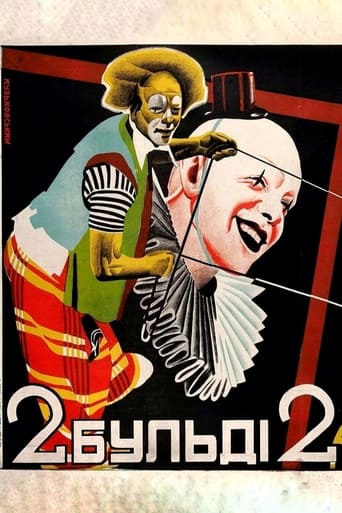
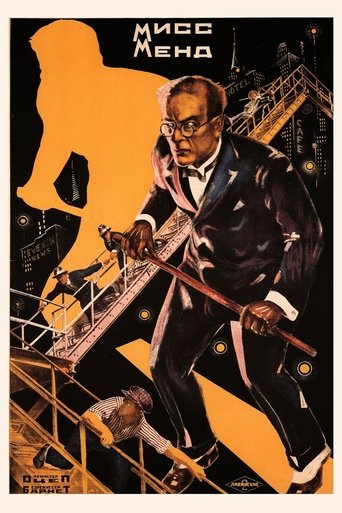
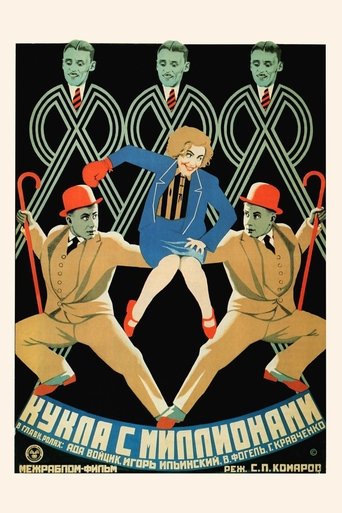
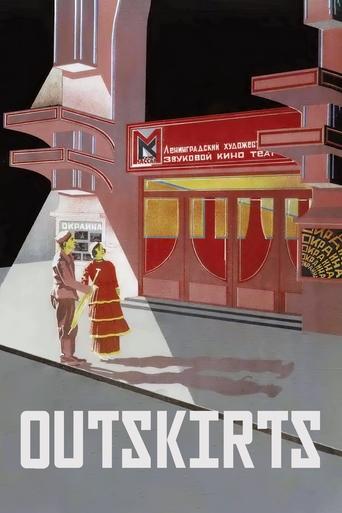
About Sergei Komarov
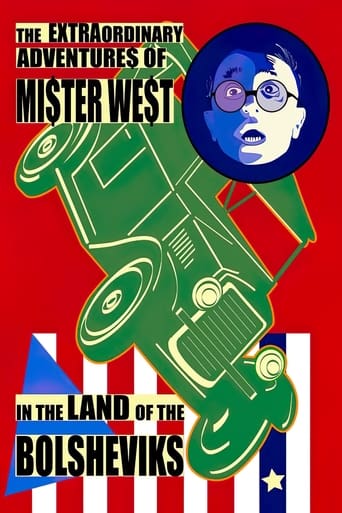
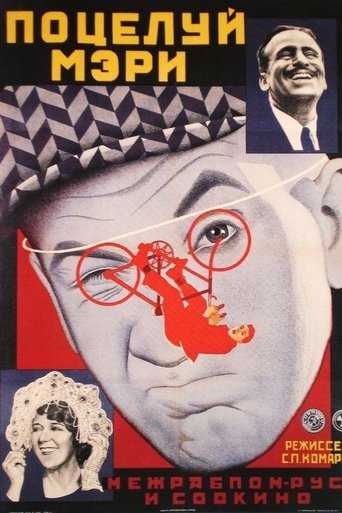
prominent Soviet actor and director during the silent film era and early sound period — known for his work with Soviet filmmakers. Born in 1891, he began his career as an actor in the early 1920s, quickly establishing himself as a versatile performer in the burgeoning Soviet cinema. Komarov gained international recognition for his roles in Lev Kuleshov's experimental films, particularly 'The Extraordinary Adventures of Mr. West in the Land of the Bolsheviks' (1924) where he played the character Zhban. He transitioned to directing in the late 1920s, helming notable comedies including 'A Kiss from Mary Pickford' (1927) and 'The Doll with Millions' (1928), which showcased his understanding of both Soviet and Hollywood cinematic techniques. His acting career continued through the early sound era, with memorable performances in films like 'Outskirts' (1933), which won critical acclaim at the Venice Film Festival. Komarov's career was cut short by the political purges of the late 1930s, and he largely disappeared from the film industry by 1936. Despite his relatively brief career, he on early Soviet cinema as both a performer and filmmaker who bridged the gap between experimental Soviet montage and more conventional narrative cinema.
The Craft
On Screen
Komarov's acting style was characterized by its versatility and adaptability, ranging from broad comedy to subtle dramatic performances. He was particularly adept at physical comedy and expressive gestures, essential for silent film acting, while also possessing the ability to convey complex emotions through nuanced facial expressions. His work in Kuleshov's films demonstrated his understanding of the Soviet montage theory, allowing him to create meaning through the juxtaposition of shots. In his later sound films, he successfully adapted his style to incorporate naturalistic dialogue delivery while maintaining his strong visual presence.
Behind the Camera
As a director, Komarov showed a keen understanding of both Soviet cinematic innovation and popular entertainment. His films often blended social commentary with accessible comedy, making complex themes approachable to mass audiences. He incorporated elements of American slapstick comedy while maintaining a distinctly Soviet perspective, creating a unique hybrid style that appealed to domestic and international viewers. His direction demonstrated strong visual storytelling skills, with careful attention to composition and rhythm learned from his work with Kuleshov.
Milestones
- Breakthrough role in 'The Extraordinary Adventures of Mr. West in the Land of the Bolsheviks' (1924)
- Directed the acclaimed comedy 'A Kiss from Mary Pickford' (1927)
- Starred in the international success 'Miss Mend' (1926)
- Appeared in 'Outskirts' (1933), winner of the Mussolini Cup at Venice Film Festival
- Successfully transitioned from silent films to early sound cinema
- Collaborated with Soviet director Lev Kuleshov
Best Known For
Iconic Roles
Must-See Films
Accolades
Won
- Mussolini Cup for Best Foreign Film (for 'Outskirts', 1933 Venice Film Festival)
Nominated
- Venice Film Festival Official Selection (multiple films)
Special Recognition
- Honored Artist of the RSFSR (1935)
Working Relationships
Worked Often With
Studios
Why They Matter
Impact on Culture
Sergei Komarov played a crucial role in bridging the gap between experimental Soviet cinema of the 1920s and more conventional narrative filmmaking of the 1930s. His work helped popularize Soviet cinema internationally, particularly through films like 'Outskirts' which achieved critical success abroad. As both actor and director, he contributed to the development of Soviet comedy, demonstrating how humor could be used to explore social and political themes. His collaborations with Lev Kuleshov were instrumental in developing and demonstrating the principles of Soviet montage theory to international audiences. Komarov's films often explored themes of cultural exchange between East and West, making him an important figure in early cinematic diplomacy.
Lasting Legacy
Komarov's legacy lies in his dual contribution as both a performer and filmmaker during a pivotal period in Soviet cinema history. Though his career was cut short by political circumstances, his films continue to be studied by film scholars for their innovative blend of Soviet cinematic techniques with accessible storytelling. His work in bridging experimental and popular cinema paved the way for later Soviet filmmakers who sought to balance artistic innovation with mass appeal. The rediscovery and restoration of his films in the post-Soviet era have led to renewed appreciation for his contributions to world cinema.
Who They Inspired
Komarov influenced subsequent generations of Soviet actors and directors through his demonstration of how to successfully blend comedy with social commentary. His work with Lev Kuleshov helped establish acting techniques specific to film that differed from theatrical traditions. His international films showed how Soviet cinema could compete with Hollywood productions on the world stage. Later Soviet comedians, particularly those working in the 1950s and 1960s, drew inspiration from his ability to create characters that were both distinctly Soviet and universally relatable.
Off Screen
Komarov's personal life was marked by the turbulent political climate of Stalinist Russia. He married actress Valentina Kuindzhi in the 1920s, with whom he often collaborated professionally. The couple had one son, Vladimir, who later became a respected theater director. Komarov was known among his colleagues for his intellectual approach to cinema and his dedication to the craft of filmmaking. His career was significantly impacted by the Great Purge of the late 1930s, which led to his marginalization in the film industry despite his earlier successes.
Education
Graduated from the State Institute of Cinematography (VGIK) in 1923, studied under Lev Kuleshov
Family
- Valentina Kuindzhi (1925-1957)
Did You Know?
- Was one of the founding members of the Kuleshov workshop, which pioneered many Soviet film theories
- His film 'A Kiss from Mary Pickford' was a satirical take on Hollywood celebrity culture
- Appeared in over 20 films as an actor before transitioning to directing
- His film 'Outskirts' was one of the first Soviet films to achieve major international festival success
- Was known for his ability to perform in multiple genres, from comedy to drama to political satire
- His directing career lasted only three years but produced two of the most significant Soviet comedies of the era
- Was fluent in English, which helped him in films dealing with East-West cultural themes
- His final film appearances were in uncredited roles due to political pressure
- His son Vladimir became a prominent theater director, continuing the family's artistic legacy
- Many of his films were suppressed during the Stalin era and only rediscovered decades later
In Their Own Words
Cinema is not just entertainment; it is the mirror that reflects our society's dreams and realities.
To make people laugh while making them think is the highest achievement of cinematic art.
In the silence of film, every gesture must speak volumes; in sound, every word must be chosen with care.
Frequently Asked Questions
Who was Sergei Komarov?
Prominent Soviet actor and on YTB.my.
What films is Sergei Komarov best known for?
Titles linked here include The Extraordinary Adventures of Mr. West in the Land of the Bolsheviks (1924), A Kiss from Mary Pickford (1927).
When was Sergei Komarov born and when did he die?
Born March 2, 1891; died December 23, 1957.
What awards did Sergei Komarov win?
His most significant award was the Mussolini Cup for Best Foreign Film at the 1933 Venice Film Festival for 'Outskirts', and he was named an Honored Artist of the RSFSR in 1935.
What was Sergei Komarov's acting and directing style?
As an actor, he was known for his versatility in both comedy and drama, with strong physical comedy skills and expressive gestures essential for silent film. As a director, he blended Soviet cinematic innovation with accessible comedy, creating films that balanced social commentary with entertainment value.
How did Stalin's purges affect Sergei Komarov's career?
The Great Purge of the late 1930s effectively ended Komarov's directing career and severely limited his acting opportunities, forcing him into minor, often uncredited roles despite his earlier successes and international recognition.
What was Sergei Komarov's relationship with Lev Kuleshov?
Komarov was one of the founding members of Lev Kuleshov's influential workshop, where he helped develop and demonstrate Soviet montage theory. Their collaboration on films like 'The Extraordinary Adventures of Mr. West' was crucial to both their careers and to the development of Soviet cinema.