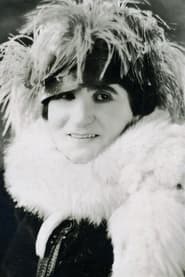
Rosa Rosanova
Actor
Born: June 23, 1869 in Odessa, Russian Empire (now Ukraine) Died: January 24, 1944 Active: 1922-1929 Birth Name: Rosa Rosanov
Films
5 films
About Rosa Rosanova
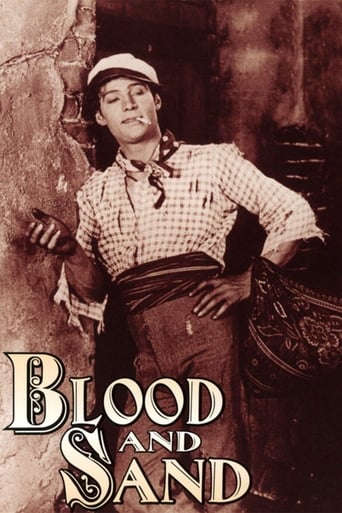
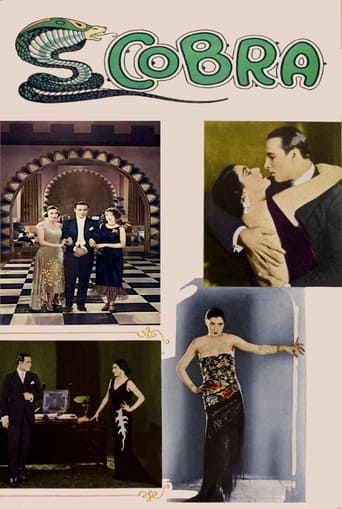
Russian-born character actress who found success in Hollywood during the silent film era. Born in Odessa in the Russian Empire, she began her career on the stage before transitioning to motion pictures in the early 1920s. With her distinctive appearance, expressive eyes, and foreign accent (which was not an issue in silent films), she quickly became typecast as mothers, gypsies, and exotic characters. Rosanova worked with some of the biggest stars of the era, including Rudolph Valentino in multiple films such as Blood and Sand and Cobra. Rosa appears in over 50 films between 1922 and 1929, often playing supporting but memorable roles that added depth to the productions. As the transition to sound films began, her career opportunities diminished, and she made her final film appearance in 1929. Despite her relatively brief Hollywood career, Rosanova left a lasting impression as recognizable character actresses of the silent era.
The Craft
On Screen
Rosanova was known for her highly expressive and theatrical acting style, typical of silent film performers. She used dramatic gestures, intense facial expressions, and her distinctive appearance to create memorable characterizations. Her Russian heritage and exotic features made her particularly effective in roles as gypsies, fortune tellers, and mysterious foreign women. She had a commanding screen presence despite often playing supporting roles.
Milestones
- Film debut in Blood and Sand (1922) opposite Rudolph Valentino
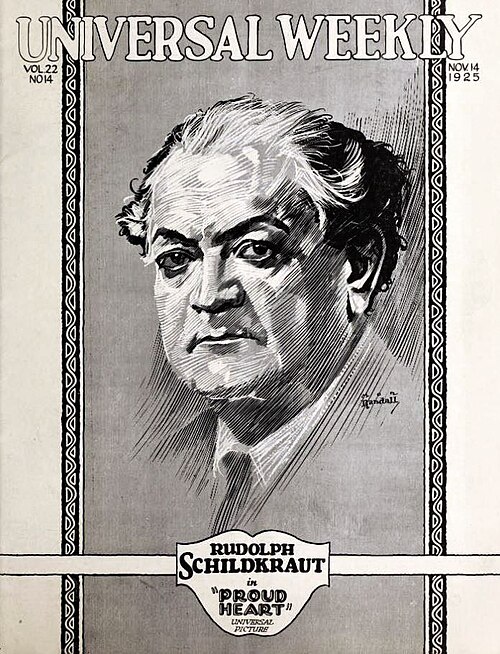
- Multiple collaborations with Valentino including Cobra (1925) and The Son of the Sheik (1926)
- Over 50 film appearances in just 7 years
- Transition from stage actress to successful film character actress
- Notable supporting roles in major silent productions
Best Known For
Iconic Roles
Must-See Films
Working Relationships
Worked Often With
Studios
Why They Matter
Impact on Culture
Rosa Rosanova represented the wave of European talent that enriched Hollywood during the silent era. As a Russian actress, she brought authentic Eastern European and exotic characterizations to American cinema at a time when such roles were in high demand. Her success demonstrated how foreign-born actors could find stardom in Hollywood during the silent period when language barriers were nonexistent. Rosanova's career also illustrates the challenges faced by many character actors when the industry transitioned to sound, as her thick Russian accent limited her opportunities in talkies.
Lasting Legacy
Rosa Rosanova's legacy lies in her contributions to the golden age of silent cinema as. Though largely forgotten today, film historians recognize her as an example of the talented international performers who helped shape early Hollywood. Her collaborations with Rudolph Valentino in some of his most famous films ensure her place in cinema history, and her performances continue to be studied by scholars of silent film. Rosanova represents the countless supporting actors who were essential to the success of silent films but whose names have faded from popular memory.
Who They Inspired
While not widely known as an influential figure in terms of mentoring other actors, Rosanova's success as a foreign character actress in Hollywood paved the way for other European performers seeking careers in American cinema. Her ability to create memorable characters in supporting roles demonstrated the importance of ensemble casting in silent films. Her career trajectory also serves as a case study in the challenges faced by silent film actors during the transition to sound, particularly those with distinctive accents.
Off Screen
Rosa Rosanova immigrated to the United States from Russia, bringing with her extensive theatrical experience. She married fellow actor and director Edward LeSaint, who was significantly older than her and helped establish her in Hollywood. The couple remained married until LeSaint's death in 1940. Rosanova was known for maintaining her Russian cultural identity throughout her life in America, often speaking Russian at home and maintaining connections with the Russian émigré community in Los Angeles.
Education
Trained in Russian theatrical schools and gained extensive stage experience in Russian theater before immigrating to the United States
Family
- Edward LeSaint (1920-1940)
Did You Know?
- Born in the same city as silent film star Alla Nazimova (Odessa)
- Was already in her 50s when she began her film career
- Married director Edward LeSaint, who was 31 years her senior
- Appeared in three films with Rudolph Valentino, making her one of his frequent co-stars
- Her active years covered only 7 years but included over 50 film appearances
- Was often typecast as a gypsy due to her exotic appearance and Russian heritage
- Made the transition from stage to film relatively late in life compared to most actors
- Her final film appearance was in an early sound film, though her role was likely silent
- Died just four years after her husband Edward LeSaint passed away
- Like many silent film actors, she was largely forgotten by the time of her death
Frequently Asked Questions
Who was Rosa Rosanova?
Russian-born character actress who worked in Hollywood silent films during the 1920s. She was known for her distinctive appearance and frequent roles as exotic characters, gypsies, and mother figures in over 50 films between 1922 and 1929.
What films is Rosa Rosanova best known for?
Titles linked here include Blood and Sand (1922), His People (1925).
When was Rosa Rosanova born and when did she die?
Born June 23, 1869; died January 24, 1944.
What awards did Rosa Rosanova win?
Rosa Rosanova did not receive any major awards during her career, which was common for character actors in the silent film era. She was recognized primarily through her consistent work and memorable performances in supporting roles.
What was Rosa Rosanova's acting style?
Rosa Rosanova employed a theatrical and highly expressive acting style typical of silent film performers. She used dramatic gestures and intense facial expressions to create memorable characterizations, particularly excelling in exotic and foreign roles that capitalized on her Russian heritage.