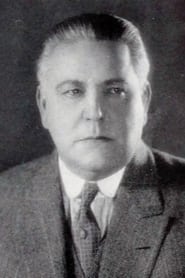
Henry A. Barrows
Actor
Born: January 29, 1875 in Salem, Massachusetts, United States Died: March 7, 1946 Active: 1918-1927 Birth Name: Henry Arthur Barrows
Films
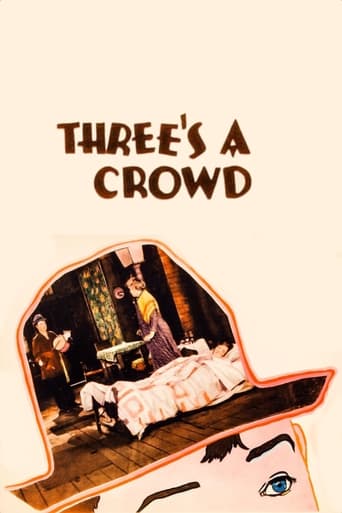
5 films
About Henry A. Barrows
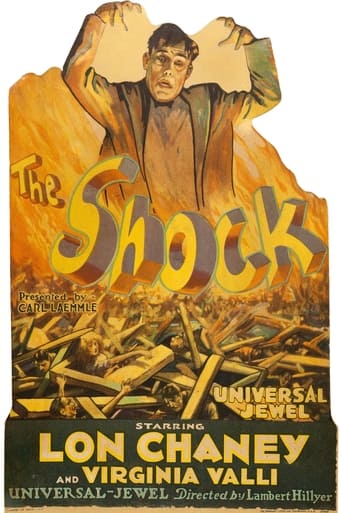
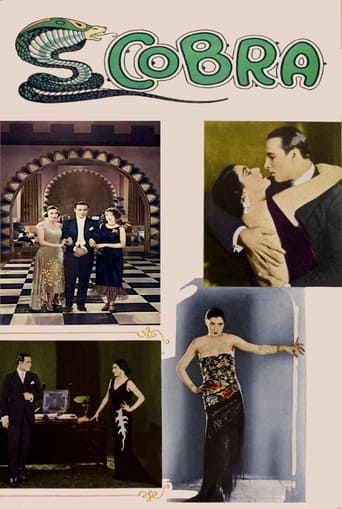
prolific character actor during the silent film era — known for his versatile supporting roles throughout the late 1910s and 1920s. He began his film career in 1918 and quickly established himself as a reliable performer in both dramatic and comedic productions, working with various studios including Paramount and Universal. Barrows appeared in over 50 films during his decade-long career, often portraying authority figures, businessmen, and paternal characters. His most notable performances came in films like 'The Shock' (1923) where he worked alongside Lon Chaney, and 'Cobra' (1925) starring Rudolph Valentino. As the film industry transitioned to sound in the late 1920s, Barrows' career began to wane, and he made his final film appearance in 1927. Despite not achieving leading man status, his consistent work ethic and ability to adapt to various genres made him a valuable supporting player during Hollywood's silent era.
The Craft
On Screen
Barrows was known for his naturalistic and understated acting style, which was somewhat ahead of its time in the silent era. He avoided the exaggerated gestures common among many silent film actors, instead relying on subtle facial expressions and restrained body language to convey emotion. His approach was particularly effective in roles requiring authority and dignity, making him a favorite for playing judges, doctors, and businessmen. Barrows had a commanding screen presence that allowed him to stand out even in smaller supporting roles.
Milestones
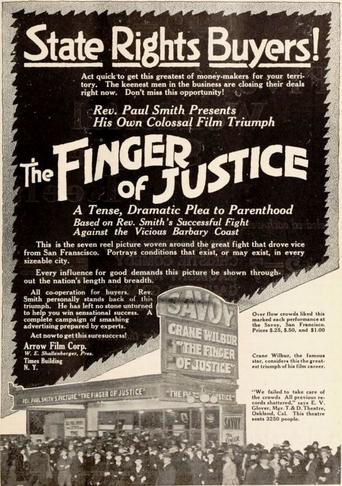
- Film debut in 'The Finger of Justice' (1918)
- Notable supporting role in 'The Shock' (1923) with Lon Chaney
- Appeared in Rudolph Valentino's 'Cobra' (1925)
- Worked consistently through the silent era boom years
- Transitioned from short films to feature-length productions
Best Known For
Iconic Roles
Must-See Films
Working Relationships
Worked Often With
Studios
Why They Matter
Impact on Culture
Henry A. Barrows represents the typical journeyman actor who formed the backbone of Hollywood's silent era. While never achieving stardom, his consistent presence in numerous productions helped define the visual language of American cinema during its formative years. His naturalistic acting style influenced younger actors entering the industry, particularly as the transition to sound required more subtle performances. Barrows' filmography serves as a valuable record of the types of supporting roles that were essential to narrative storytelling in silent cinema, and his work with major stars like Chaney and Valentino demonstrates how character actors contributed to the success of leading performers.
Lasting Legacy
Henry A. Barrows' legacy lies in his contribution to the silent cinema as a reliable and versatile supporting actor. His extensive filmography provides modern film historians with a comprehensive view of the types of characters that populated American films of the 1920s. While many of his films have been lost to time, those that survive showcase the craftsmanship and professionalism that characterized Hollywood's studio system during its golden age. Barrows is remembered by silent film enthusiasts as an exemplar of the working actor who, while never famous, was integral to the success of countless productions.
Who They Inspired
Barrows influenced subsequent generations of character actors through his demonstration of how to make supporting roles memorable without upstaging the leads. His naturalistic approach to acting helped pave the way for the more subtle performance styles that would become standard in sound cinema. Young actors studying silent films today often point to performers like Barrows as examples of how to convey emotion and character effectively within the constraints of the medium.
Off Screen
Henry A. Barrows was born into a New England family and spent his early years in Massachusetts before moving to California to pursue his acting career. He married actress Josephine Crowell in 1913, and the couple remained together until his death in 1946. Barrows was known in Hollywood circles as a quiet, professional actor who preferred to stay out of the limelight when not working on film sets. After retiring from acting, he lived a relatively private life in Los Angeles, occasionally appearing at film society events celebrating silent cinema. His later years were spent away from the public eye, enjoying a peaceful retirement with his wife.
Family
- Josephine Crowell (1913-1946)
Did You Know?
- Appeared in over 50 films during his decade-long career
- Often played characters much older than his actual age
- Was married to fellow silent film actress Josephine Crowell for 33 years
- Many of his films are now considered lost, a common fate for silent era productions
- Worked with both Lon Chaney and Rudolph Valentino, two of the biggest stars of the 1920s
- Transitioned from stage acting to film in his early 40s
- Was known for his professionalism and reliability on set
- Retired from acting just as the sound era was beginning
- His film active years covered the entire boom period of silent cinema
- Often typecast as authority figures due to his dignified appearance
Frequently Asked Questions
Who was Henry A. Barrows?
American character with credits in this catalog. He appeared in over 50 films, often playing authority figures and supporting roles in productions starring major silent era actors like Lon Chaney and Rudolph Valentino.
What films is Henry A. Barrows best known for?
When was Henry A. Barrows born and when did he die?
Born January 29, 1875; died March 7, 1946.
What awards did Henry A. Barrows win?
Henry A. Barrows did not receive any major formal awards or nominations during his career. Like many character actors of his era, his contributions were recognized through steady employment rather than formal accolades, though he was respected within the industry for his reliability and professionalism.
What was Henry A. Barrows' acting style?
Barrows was known for his naturalistic and understated acting style, which was somewhat unusual for the silent era. He avoided the exaggerated gestures common in silent films, instead using subtle facial expressions and restrained body language, making him particularly effective in roles requiring authority and dignity.