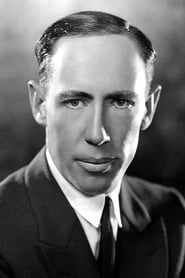
Joseph Henabery
Director
Born: March 15, 1888 in Omaha, Nebraska, USA Died: February 25, 1977 Active: c. 1910s-1920s
Films
3 films
About Joseph Henabery
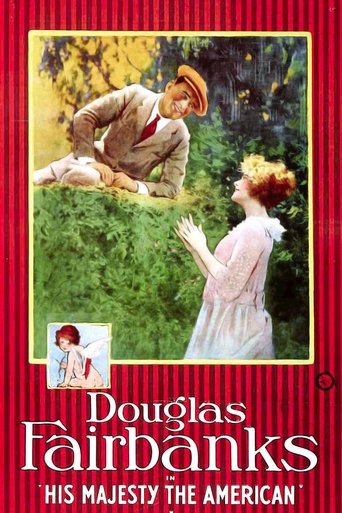
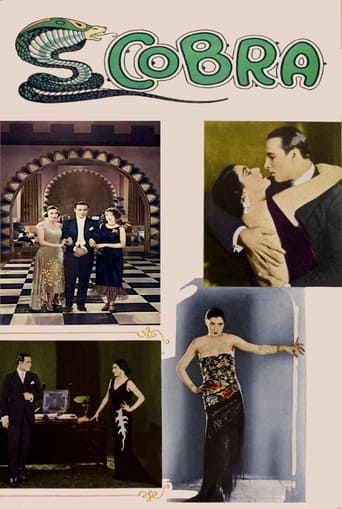
American film director, actor, and screenwriter: career began in the silent era and whose work helped define early Hollywood filmmaking. Born in 1888, he entered the motion picture business during the formative years of the industry and worked first as an actor before moving into directing, a path that was common among early studio personnel who learned filmmaking from the ground up. He is best remembered today for directing silent features such as His Majesty, the American (1919) and Cobra (1925), and for his broad participation in the production culture of the early Los Angeles studios. Like many directors of the period, Henabery worked in a fast-moving studio system that valued efficiency, visual clarity, and adaptability across genres. His career reflects the transition from the experimental, improvisational style of early silent cinema toward a more controlled and polished studio-era approach. He also contributed behind the scenes in other capacities, which makes him a useful example of the multi-talented craftsmen who shaped classic Hollywood. Although not among the most famous names of the era, his work remains part of the historical fabric of silent film production.
The Craft
Behind the Camera
Henabery’s directing style, as documented through his surviving credits, fits the silent-era studio tradition: efficient storytelling, visual legibility, and practical production values suited to the demands of the period. He worked in a medium that relied on clear action, framing, and pacing to carry plot and emotion, and his films suggest a professional competence shaped by studio discipline rather than overt personal expression. Because relatively few of his films are widely studied today, his individual stylistic signature is less documented than that of major auteurs, but he belongs to the generation that standardized the classical continuity approach in American cinema.
Milestones
- Worked in the silent film industry during its formative years, first as an actor and then as a director
- Directed the silent feature His Majesty, the American (1919)
- Directed the silent feature Cobra (1925)
- Built a career across multiple film crafts, reflecting the versatility demanded by early studio filmmaking
- Contributed to the development of narrative feature filmmaking in the silent era
Best Known For
Must-See Films
Working Relationships
Studios
Why They Matter
Impact on Culture
Joseph Henabery’s cultural impact lies less in celebrity than in craftsmanship. He was part of the generation of filmmakers who helped transform motion pictures from short novelties into a mature feature-length art form, and his work contributed to the silent-era studio system that became the foundation of classical Hollywood. Directors like Henabery helped establish the practical grammar of silent storytelling: clear staging, disciplined pacing, and attention to audience comprehension without spoken dialogue. Even when individual titles are less widely remembered today, filmmakers of his type were essential to the growth of a national film culture and the industrialization of American cinema. His influence is also seen in the broader professional model of early Hollywood, where performers frequently became directors, writers, or producers as needed. That kind of cross-disciplinary experience helped create a generation of filmmakers who understood film production from multiple angles. While Henabery is not typically cited as a major auteur, his career is valuable to historians because it illustrates how the silent-era film industry depended on adaptable, technically literate practitioners.
Lasting Legacy
Henabery’s legacy is that of a capable early Hollywood craftsman whose career helps document the silent era’s working methods and industrial evolution. He remains a representative figure of a great many studio-era filmmakers whose names are less familiar to modern audiences but whose labor made the classic cinema system possible. His surviving credits ensure that he remains part of film scholarship on silent-era production, early directing careers, and the transition from acting into directing. In film history, his importance is primarily historical and contextual: he belongs to the cohort that built the language and workflow of American screen storytelling before sound changed the medium. For modern databases and researchers, Henabery is significant as a verified contributor to early feature filmmaking rather than as a star persona. His filmography helps map the careers of silent-era professionals who worked across roles and studios, often leaving behind thin personal records but substantial industrial footprints. That makes him a useful name in reconstructing how early Hollywood functioned behind the scenes.
Who They Inspired
Henabery influenced cinema indirectly through his participation in the development of silent-era directing practice and studio production standards. By working both as an actor and director, he exemplified the versatile early filmmaker whose practical experience shaped the craft of screen storytelling. His work would have contributed to the professional expectations later directors inherited: economical shooting, visual clarity, and an understanding of how to communicate without dialogue. Although there is no well-documented record of him mentoring major later figures, he was part of the broader network of early filmmakers whose methods helped define classical Hollywood norms.
Off Screen
Publicly available biographical information about Joseph Henabery’s private life is limited compared with major stars and directors of the era. He is best documented through trade papers, studio credits, and film histories rather than through extensive personal memoirs or major publicity campaigns. No widely verified record of major scandals or headline-making personal controversies is commonly associated with him. As with many silent-era filmmakers, much of his personal history remains less visible than his professional work.
Education
No reliably verified details of formal education are widely documented in standard film references.
Did You Know?
- Joseph Henabery was active during the silent-film era, when many filmmakers moved fluidly between acting, directing, and writing.
- He is remembered today mainly through historical film records rather than widespread public fame.
- His career illustrates how early Hollywood rewarded versatility and hands-on experience.
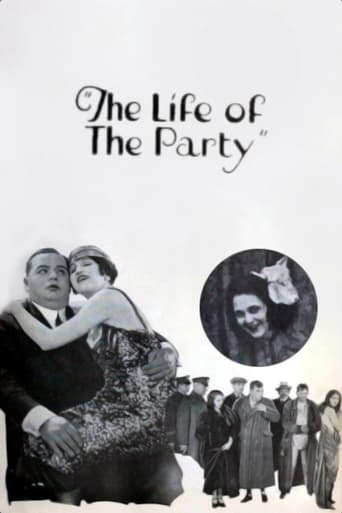
- He directed both dramatic and commercially oriented features in the 1910s and 1920s.
- Because many silent films are lost, a large portion of his work is not easily accessible to modern audiences.
- His name sometimes appears in film histories focused on studio-era personnel rather than star biographies.
- He is an example of the many early filmmakers whose contributions were foundational but whose personal histories are only partially documented.
Frequently Asked Questions
Who was Joseph Henabery?
American silent-era filmmaker best known as a on YTB.my. He was part of the early Hollywood generation that helped establish feature-film production methods and studio-era storytelling.
What films is Joseph Henabery best known for?
Titles linked here include His Majesty, the American (1919), Cobra (1925).
When was Joseph Henabery born and when did he die?
Born March 15, 1888; died February 25, 1977.
What awards did Joseph Henabery win?
No major awards or formal honors are widely documented for Joseph Henabery in the standard references most commonly used for classic cinema figures. His importance is historical and industrial rather than award-based.
What was Joseph Henabery's directing style?
His directing style belonged to the practical silent-era studio tradition, emphasizing visual clarity, efficient storytelling, and clean narrative construction. Like many directors of his time, he worked within the constraints and conventions of silent filmmaking rather than a highly personal auteur style.
What is Joseph Henabery’s legacy in film history?
His legacy lies in his role as one of the many early Hollywood craftsmen who helped build the classical American film system. He is especially useful to historians as an example of a versatile studio professional whose work contributed to the development of silent feature filmmaking.