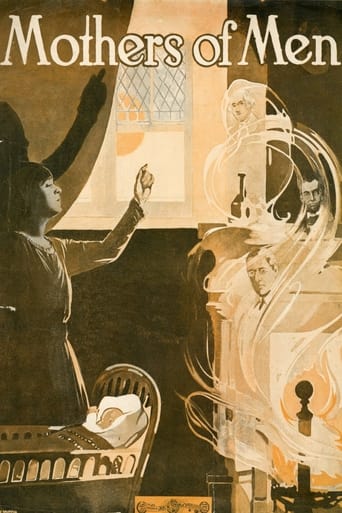
William Gaton
Actor
- Active
- 1920-1920
Films 1
About William Gaton
William Gaton is an elusive figure in silent-era film history, known primarily for appearing in the 1920 production Mothers of Men. Surviving reference material on him is extremely limited, and he does not appear to have maintained a substantial on-screen career beyond this credited role. Because his filmography is sparse and standard biographical sources do not provide reliable personal details, much of his life remains undocumented in the surviving historical record. His name is preserved mainly through film listings and cast references associated with Mothers of Men, a film from the transitional period of early American silent cinema. There is no well-established evidence of a long studio contract, repeated star vehicle appearances, or a later career in sound pictures. As with many minor performers of the silent era, his contribution is best understood as part of the large body of working actors whose names survive in credits even when their personal histories did not receive sustained press coverage. His exact birth, death, and broader career arc are not currently verifiable from the available classic-cinema references.
More about William Gaton
In film history
William Gaton's cultural impact is best understood in archival rather than celebrity terms. He represents the many silent-film performers whose names appear in surviving credits and trade references, helping modern researchers reconstruct the labor history of early American filmmaking. Even when a performer has only a single known credit, that credit contributes to the preservation of production history, cast composition, and the broader social texture of the silent screen era. His presence in Mothers of Men also offers evidence of the breadth of personnel working in 1920-era cinema beyond the stars whose careers were extensively promoted in newspapers and fan magazines. In this sense, his legacy lies in the historical record itself: he is part of the pool of early film workers whose names survive as fragments, reminding historians how much of silent-era performance history has been lost or only partially documented.
Later reputation
William Gaton's lasting legacy is minimal in the sense of fame but important in the sense of film historiography. He is one of many minor silent-era players whose surviving credit confirms participation in a now-distant film culture that shaped the development of American screen acting and production. Because his personal record is sparse, he is valuable to historians precisely as an example of the incomplete documentation that characterizes early cinema. His name helps preserve the integrity of cast records for Mothers of Men and demonstrates the importance of archival reconstruction in classic film research. For database purposes, he remains a documented actor of the silent era, even though his broader biography has not survived in detail.
Influence
There is no verifiable evidence that William Gaton directly influenced major performers, directors, or acting traditions in a documented way. His influence is therefore indirect and historical rather than personal: he is part of the anonymous working foundation of silent cinema that made the era's productions possible. By appearing in early film records, he contributes to the lineage of screen performance that later scholars use to study casting practices, employment patterns, and the evolution of the film industry. Any influence he may have had on contemporaries or local production circles is not preserved in accessible sources.
Off screen
No reliable surviving biographical information is currently available about William Gaton's personal life, including marriage, family background, residence, or later activities. Standard classic-cinema reference sources do not provide verified details on spouses, children, education, or private affairs. He appears in the historical record primarily as a credited screen performer rather than as a widely publicized public figure. As a result, his personal life remains undocumented in the accessible archival sources consulted for early cinema personalities.
Credits
- Credited performer in Mothers of Men (1920)
- Documented participation in early silent-era cinema
- Survival in historical cast records despite sparse biographical documentation
Roles
- Role in Mothers of Men (1920)
Films
- Mothers of Men (1920)
Notes
- William Gaton is chiefly documented through a single known screen credit: Mothers of Men (1920).
- He is an example of a silent-era performer whose historical record survives mainly in cast listings rather than biographies.
- Available classic-cinema references do not currently verify his birth date, death date, or birthplace.
- No confirmed awards, nominations, or honors are associated with him in accessible sources.
- His recorded activity appears to be confined to the year 1920.
- He may have been a supporting or bit player rather than a featured star, based on the limited surviving documentation.
- His name remains useful to researchers reconstructing the personnel of early silent productions.
Questions
Who was William Gaton?
William Gaton was a silent-era actor known from the 1920 film Mothers of Men. Beyond that credit, surviving biographical information about him is extremely limited, and he does not appear to have left a large documented filmography.
What films is William Gaton best known for?
He is best known for Mothers of Men (1920), which is the primary film credit currently associated with his name. No additional verified film appearances are readily documented in the available classic-cinema record.
When was William Gaton born and when did he die?
His birth and death dates are not currently verifiable from accessible classic-cinema sources. The surviving record does not provide confirmed information about his birthplace or lifespan.
What awards did William Gaton win?
No awards or nominations are currently documented for William Gaton in the available historical record. He appears to have been a little-documented performer rather than a widely honored star.
What was William Gaton's acting style?
His acting style cannot be reliably described because no detailed reviews, stills, or performance analyses are readily available. As a silent-era actor, he would have worked within the expressive visual conventions of the period, but specific traits are not verifiable.
What is William Gaton's legacy in film history?
His legacy lies in the preservation of early film cast records and the historical memory of silent-era production. Even with limited surviving information, his name helps document the wider community of actors who contributed to classic cinema.