Films
4 films

About Johnny Fox
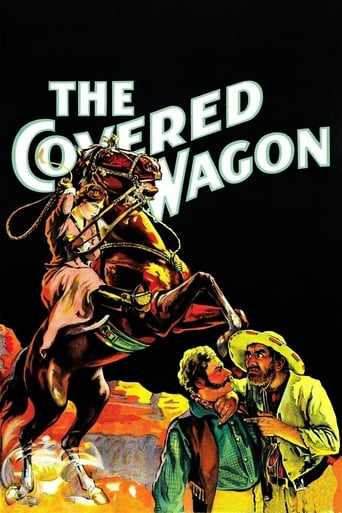
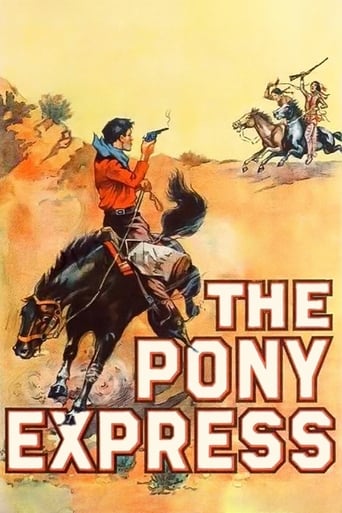
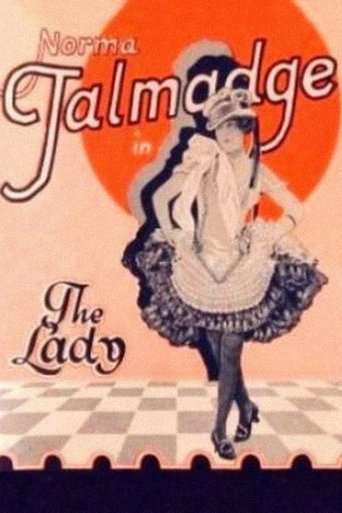
Character actor during the silent film era, primarily active in the mid-1920s. His career, though brief, included appearances in several notable productions of the period. He made his film debut in the Western epic 'The Covered Wagon' (1923), which was films of early Hollywood. Fox continued to work steadily through 1925 with roles in 'The Pony Express' and 'The Lady,' demonstrating his versatility across different genres from Westerns to drama. His final known film appearance was in 'Jewish Prudence' in 1927, after which he seemingly disappeared from the film industry. Like many character actors of the silent era, Fox's career was likely impacted by the transition to sound films in the late 1920s, which ended the careers of numerous performers who couldn't adapt or whose voices didn't suit the new medium.
The Craft
On Screen
As a character actor in the silent era, Fox likely employed the exaggerated physical expressions and dramatic gestures typical of the period, using body language and facial expressions to convey emotion without dialogue.
Milestones
- Debut in the landmark Western 'The Covered Wagon' (1923)
- Appeared in multiple films during the peak of the silent era
- Worked in diverse genres including Westerns and drama
Best Known For
Iconic Roles
Must-See Films
Working Relationships
Worked Often With
Studios
Why They Matter
Impact on Culture
Johnny Fox represents the numerous character actors who formed the backbone of silent era cinema but have been largely forgotten by film history. His appearance in 'The Covered Wagon' places him within. While not a star, actors like Fox were essential to the film industry of the 1920s, providing the supporting performances that gave major productions their depth and authenticity.
Lasting Legacy
Johnny Fox's legacy is primarily tied to his participation in significant silent era productions, particularly 'The Covered Wagon.' While he didn't achieve lasting fame, his work contributes to our understanding of the ensemble nature of early Hollywood filmmaking. His brief career trajectory from 1923-1927 also exemplifies the precarious nature of acting careers during the transition from silent films to talkies, when many performers found themselves unable to continue working in the rapidly changing industry.
Who They Inspired
As a supporting character actor, Johnny Fox's direct influence on other performers is difficult to trace. However, his work in ensemble casts helped establish the importance of character actors in creating believable cinematic worlds, a tradition that continues in filmmaking today. His career serves as an example of the journeyman actors who were essential to Hollywood's golden age but rarely received recognition for their contributions.
Off Screen
Very little is documented about Johnny Fox's personal life, which was common for supporting actors of the silent era who didn't achieve major stardom. Like many character actors of his time, details about his family, relationships, and life outside of film have not been preserved in historical records.
Did You Know?
- Johnny Fox appeared in 'The Covered Wagon,' which was
- His entire known film active years covered just four years during the peak of the silent era
- Like many silent era actors, his career ended around the time sound films were introduced
- The exact nature of his roles in these films is not well-documented, suggesting he played minor or supporting parts
- No photographs or extensive biographical information about Fox appear to have survived
- His disappearance from film records after 1927 was typical of many character actors who couldn't transition to sound
- The films he appeared in were produced by major studios, indicating he was a professional working actor
- His filmography includes both Westerns and dramatic films, showing versatility as a character actor
Frequently Asked Questions
Who was Johnny Fox?
Screen credits include several notable productions between 1923 and 1927, including the landmark Western 'The Covered Wagon.' Like many supporting actors of his time, he worked primarily in ensemble casts but never achieved major stardom.
What films is Johnny Fox best known for?
Titles linked here include The Covered Wagon (1923), The Pony Express (1925).
When was Johnny Fox born and when did he die?
Specific birth and death dates for Johnny Fox are not available in historical records, which is common for supporting actors from the silent era who didn't achieve lasting fame. His known film active years covered from 1923 to 1927.
What awards did Johnny Fox win?
There are no recorded awards or nominations for Johnny Fox, which was typical for character actors in the 1920s who played supporting roles rather than leading parts.
What was Johnny Fox's acting style?
As a silent era actor, Johnny Fox would have used the dramatic physical acting style characteristic of the period, relying on exaggerated gestures, facial expressions, and body language to convey emotions and tell stories without dialogue.
Why did Johnny Fox's career end in 1927?
While the exact reason is unknown, Johnny Fox's career ended around the time Hollywood transitioned from silent films to talkies. Many actors of this period found themselves unable to continue working due to the new technical requirements or because their voices weren't suited for sound films.